
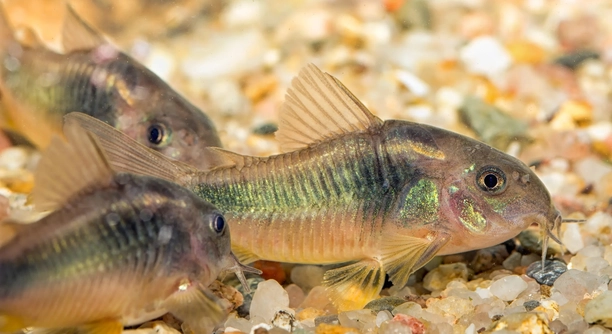
Corydoras catfish are peaceful, bottom-dwelling fish that make great additions to any aquarium. Known for their calm demeanor, they get along well with many species. This makes them excellent tankmates for a variety of fish.
Corydoras catfish are highly compatible with other aquarium fish due to their peaceful nature, active bottom-dwelling behavior, and gentle temperament. They do not pose a threat to other fish, making them ideal companions in community tanks.
Their peaceful nature and helpful cleaning habits make them great choices for a thriving tank environment. Keep reading to discover more benefits of having Corydoras catfish as tankmates.
They Help Keep Your Tank Clean
Corydoras catfish are excellent at cleaning up the bottom of your tank. These little fish are constantly searching for leftover food, algae, and debris. Their scavenging behavior helps prevent uneaten food from accumulating and affecting water quality. This makes them great tankmates, as they naturally contribute to maintaining a cleaner and healthier environment. They are efficient and low-maintenance, meaning they don’t require much attention but still do a good job in keeping things tidy.
In addition, Corydoras do not disrupt the natural balance of the tank. Their gentle cleaning habits ensure they won’t harm plants, decorations, or other fish while doing their work. Their cleaning nature helps keep your tank looking neat and vibrant, reducing the need for frequent tank maintenance.
By having Corydoras in your tank, you won’t have to worry about leftover food or excess algae causing problems. These fish do their part in keeping everything clean, letting you focus on other aspects of aquarium care. Their presence can contribute significantly to a healthier tank environment.
They Are Peaceful and Non-Aggressive
Corydoras catfish are not territorial and rarely show aggressive behavior toward other fish. This makes them an ideal choice for community tanks, where peaceful interactions are key. Whether they’re sharing space with tetras, guppies, or bettas, Corydoras easily coexist with other species.
Their calm demeanor allows them to get along well with almost any non-aggressive fish. They typically stay near the bottom of the tank, leaving the middle and upper levels to other species. This means they won’t compete for space or create tension among tankmates. Additionally, they are small in size, which further reduces the chances of conflict in a mixed-species aquarium. Corydoras catfish help maintain harmony and balance within the tank, making them reliable companions for your other fish.
Their friendly nature is a big factor in their popularity. These catfish are an easy way to ensure your tank stays peaceful without worrying about aggressive behaviors disrupting the harmony of your aquarium.
They Are Bottom-Dwellers, Leaving the Top Levels for Other Fish
Corydoras catfish are bottom-dwelling fish, which means they spend most of their time near the tank’s substrate. This allows them to coexist with fish that occupy higher water levels. By staying near the bottom, they don’t compete for space with other fish that prefer the middle or top layers of the tank.
This behavior ensures that they don’t interfere with more active or upper-level swimming fish. While they explore the substrate, they leave plenty of space for tankmates to swim freely. Corydoras’ peaceful, non-competitive nature makes them ideal companions for other fish. Their bottom-dwelling habits also allow your other fish to thrive in their preferred swimming areas without any disturbance.
Their unique behavior of staying on the tank floor keeps things balanced. Tankmates can swim around freely without worrying about disruption, giving you a peaceful aquarium environment. This makes Corydoras perfect for tanks with active or mid-level fish.
They Are Social and Prefer Groups
Corydoras catfish are social creatures and thrive in groups. While they can survive alone, they are much happier and more comfortable when kept in schools. This social behavior helps reduce stress, as they naturally find comfort in being with others of their kind.
Having a group of Corydoras in your tank ensures they stay active and healthy. They often school together, swimming around the bottom in a coordinated way. A group of Corydoras also helps create a more natural and dynamic environment in the aquarium. They interact with one another, helping maintain their well-being and reducing the chances of health issues.
The social aspect of Corydoras catfish can add a lively, engaging element to your aquarium. Watching them move together in unison is not only entertaining but also ensures they are in the best possible living conditions. With proper companionship, Corydoras are less likely to experience loneliness or stress, promoting a healthier tank overall.
They Can Tolerate a Range of Water Conditions
Corydoras catfish are hardy fish that can adapt to a variety of water conditions. They tolerate different water temperatures and pH levels, making them suitable for a range of tank setups. Their ability to thrive in various environments makes them an easy choice for beginner aquarists.
This tolerance for a variety of conditions allows Corydoras to live with different species that may have specific water preferences. As long as the water quality is good, they’ll adjust to most community tank setups without much trouble. Their adaptability ensures they won’t disrupt the overall balance of the tank, making them ideal companions.
The ability to thrive in various water conditions adds another benefit to keeping Corydoras. They are low-maintenance, and their resilience means they are less prone to stress from slight changes in water parameters. This makes them easier to care for in diverse aquarium environments.
They Are Small and Don’t Require Much Space
Corydoras catfish are small fish, typically reaching a size of 2 to 3 inches. This makes them perfect for tanks of all sizes, even smaller ones. Their small size allows them to fit comfortably into a variety of tank environments without taking up too much space.
Their size also makes it easy to add multiple Corydoras to a tank, which is ideal if you want a group of them. They won’t overcrowd the tank, and their small size allows them to coexist peacefully with other fish. Corydoras are perfect for adding to a well-stocked aquarium without worrying about space limitations.
They Are Easy to Feed
Corydoras catfish are not picky eaters and will readily accept a variety of food types. They enjoy sinking pellets, frozen foods, and live food. Their bottom-dwelling nature means they often search for food that falls to the substrate, making them easy to feed.
Their simple feeding needs make them an excellent choice for beginners. Unlike some fish that require specific diets, Corydoras are versatile in their food preferences, making it easier to maintain a balanced diet. Their ability to accept various foods simplifies aquarium care.
FAQ
Do Corydoras catfish need a lot of space?
Corydoras catfish don’t require a lot of space due to their small size. Most Corydoras grow to about 2 to 3 inches, meaning they fit well in smaller tanks. However, it’s still essential to ensure they have enough room to swim around comfortably. A 20-gallon tank is usually a good size for a group of Corydoras, but the more space you can provide, the better. A larger tank also allows for more tankmates, creating a healthier environment for everyone. They don’t compete for space, so they’ll get along with other fish without any issues.
Can Corydoras live with other fish?
Yes, Corydoras are peaceful and non-aggressive fish, making them excellent tankmates for other species. They tend to stay at the bottom of the tank, leaving the upper and middle levels for other fish to explore. Corydoras do well with most community fish, including tetras, guppies, and peaceful cichlids. It’s best to avoid keeping them with highly aggressive fish that may bully or stress them out. Their calm nature helps maintain a peaceful atmosphere in a tank filled with diverse species. Just make sure their tankmates share similar water requirements for the best results.
What kind of water conditions do Corydoras catfish prefer?
Corydoras are relatively adaptable when it comes to water conditions. They can tolerate a wide range of water temperatures, typically between 72°F to 78°F (22°C to 26°C). The pH level should be between 6.0 and 7.5, with soft to moderately hard water being ideal. Corydoras do best in stable water conditions, so it’s important to maintain consistent temperature and pH levels. While they can handle some variation, extreme fluctuations in water quality can stress them out. Regular water changes and proper filtration help keep their environment healthy and stable.
How often should I feed my Corydoras catfish?
Corydoras catfish are bottom feeders, so they will often find leftover food and algae on the substrate. However, it’s still important to feed them regularly to ensure they get a balanced diet. You can feed them once or twice a day, offering sinking pellets or high-quality aquarium food designed for bottom-dwellers. Corydoras also enjoy live or frozen food like bloodworms, brine shrimp, and daphnia. Avoid overfeeding, as uneaten food can build up and affect the water quality. Monitor their eating habits and adjust the amount of food if necessary.
Do Corydoras catfish need a filter?
Yes, Corydoras catfish benefit from a filter, just like most fish. A filter helps maintain clean water by removing debris, excess food, and waste. Since Corydoras are bottom-dwellers, they often stir up the substrate while foraging, which can lead to debris accumulation. A good filter ensures the water stays clean and oxygenated, which is crucial for their health. Choose a filter that provides gentle water flow, as Corydoras don’t like strong currents. An efficient filter also helps maintain stable water parameters, ensuring a healthier tank environment for both your Corydoras and their tankmates.
Can Corydoras catfish live alone?
While Corydoras can technically live alone, they are social fish and prefer the company of others of their kind. Keeping a single Corydoras can lead to stress and reduced well-being. Ideally, you should keep them in groups of at least three or more, as they feel safer and more comfortable in a school. Having a group also encourages natural behaviors, like swimming together and foraging in the substrate. A group of Corydoras is more active and visually appealing, adding a lively dynamic to your tank.
How do you breed Corydoras catfish?
Breeding Corydoras catfish is relatively easy compared to other fish species. They usually breed when water quality is optimal, and they feel comfortable. To encourage breeding, maintain clean, soft water with a pH between 6.5 and 7.0. Corydoras may also breed more readily if the tank temperature is raised by a few degrees. During mating, the male will chase the female, and once they’ve paired up, the female will lay eggs on plants or decorations. After fertilization, remove the adults to prevent them from eating the eggs. The eggs will hatch in about 4 to 7 days. After hatching, feed the fry small amounts of baby brine shrimp or specially formulated fry food until they grow large enough to eat regular fish food.
Do Corydoras catfish need a heater?
Corydoras catfish generally thrive in water temperatures between 72°F and 78°F. If your room temperature fluctuates or if you live in a colder climate, it’s a good idea to use a heater to maintain a consistent temperature. Corydoras are sensitive to drastic changes in temperature, so a heater helps keep the water stable. Choose a reliable heater that can maintain the desired temperature range. Avoid setting the heater too high, as they prefer cooler temperatures compared to tropical fish like bettas or guppies. Keep an eye on the temperature to ensure it stays within their preferred range.
Can Corydoras live with shrimp?
Yes, Corydoras can live with shrimp, and they often do well together in community tanks. Both species occupy different areas of the tank—Corydoras are bottom-dwellers, while shrimp usually stay on plants and decorations. This makes them compatible without competing for space. However, it’s essential to choose shrimp species that are large enough not to be eaten by Corydoras, as smaller shrimp may become snacks. Larger shrimp like Amano or cherry shrimp are usually safe with Corydoras. Keep an eye on the shrimp, especially when they are molting, as they may be more vulnerable during this time.
Are Corydoras catfish sensitive to water changes?
Corydoras catfish can be sensitive to sudden changes in water conditions, including water changes. They prefer stable water parameters, and drastic shifts in pH, temperature, or hardness can stress them out. When doing water changes, it’s important to gradually adjust the new water to match the tank’s current conditions. Avoid changing more than 25% of the water at once to prevent shock. It’s also a good idea to check the temperature and pH of the new water before adding it to the tank. Regular, small water changes are better for maintaining a stable and healthy environment for Corydoras.
Final Thoughts
Corydoras catfish are wonderful additions to a community tank due to their peaceful nature and compatibility with various fish species. Their small size, calm demeanor, and easy care make them ideal for both beginners and experienced aquarium keepers. They can thrive in a wide range of water conditions, as long as you maintain stable temperature, pH, and water quality. Corydoras also have a unique charm with their playful behavior and bottom-dwelling habits, which add life and movement to your tank. Keeping a group of Corydoras can help create a healthy, dynamic environment for all tank inhabitants.
One of the key benefits of Corydoras catfish is their ability to coexist peacefully with other species. Their non-aggressive nature allows them to live happily with many types of fish, as long as those fish are not overly aggressive. They will not compete for space, and they spend most of their time scavenging on the bottom of the tank. This makes them excellent companions for other peaceful fish, such as tetras, guppies, and other small community fish. Just be sure to avoid any species that might be too aggressive or territorial.
Overall, Corydoras catfish are low-maintenance, peaceful, and highly adaptable. They provide natural cleaning by scavenging leftover food, which can help maintain tank cleanliness. If you can provide them with a clean and stable environment, Corydoras can live for many years, bringing joy to your aquarium. Whether you are new to fishkeeping or an experienced hobbyist, these catfish make a great addition to any tank. Their sociable nature, combined with their hardiness, ensures that they will thrive and enhance the overall health and atmosphere of your aquarium.

Hello,
If you enjoy the content that we create, please consider saying a "Thank You!" by leaving a tip.
Every little bit helps us continue crafting quality advice that supports the health, happiness, and well-being of pets around the world, for pets of all shapes, sizes, and species.
We really appreciate the kindness and support that you show us!