
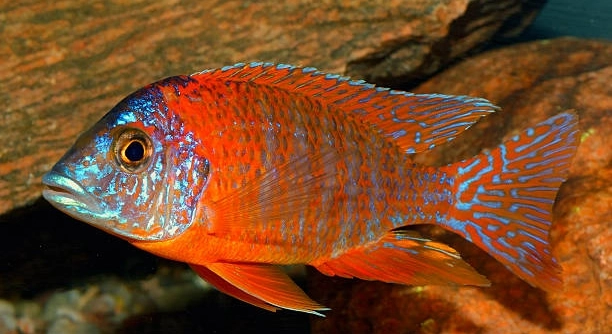
Convict cichlids are popular freshwater fish, admired for their vibrant colors and lively personalities. After spawning, these fish often retreat to hiding spots, leaving many hobbyists unsure of why this behavior occurs in their tanks.
Convict cichlids hide after spawning primarily to protect themselves and their offspring. This behavior reduces stress, prevents potential threats, and allows the fish to recover energy after reproduction, ensuring the survival of both the parents and their fry in a controlled environment.
Knowing why convict cichlids hide can improve tank management and help maintain a healthier, more peaceful aquarium environment for both fish and owners alike.
Stress from Environmental Changes
Convict cichlids are very sensitive to changes in their tank environment. Sudden shifts in water temperature, pH, or even lighting can make them nervous, especially after spawning. When fish feel unsafe, hiding becomes a natural response. Providing stable water conditions and a familiar layout helps reduce this stress. Decorations, caves, or plants create hiding spots where they feel secure. Observing their behavior allows you to notice subtle signs of discomfort, like rapid swimming or sudden retreats. Over time, consistent tank conditions encourage the fish to be more relaxed and active. Post-spawning hiding is often a protective measure, not an indication of illness. Ensuring a calm and predictable habitat is key to keeping convict cichlids healthy. Even small improvements in water quality or hiding spaces can make a noticeable difference in their comfort level. Fish respond to stability, and minimizing stress after breeding supports their recovery and fry care.
Hiding after spawning often signals that the fish are processing recent stressors and need time to feel safe again.
Providing adequate cover and consistent conditions encourages the fish to come out gradually, restoring normal activity and feeding behaviors.
Protecting the Fry
After spawning, convict cichlids focus on protecting their fry from potential threats. Even in a safe tank, their instinct is to remain cautious and keep their young hidden. They may retreat to a cave or dense plant area to monitor the environment without exposing themselves or the fry. The parents are highly attentive, constantly guarding eggs or fry while staying out of sight from perceived threats. Hiding also allows the adults to conserve energy for defending and caring for the young. In natural habitats, this behavior increases survival rates, and even in aquariums, it helps ensure the fry have a higher chance of thriving. Observing these protective behaviors can be fascinating, revealing the careful balance convict cichlids maintain between vigilance and recovery. By respecting their space, owners support the natural cycle of post-spawning care. Proper hiding spaces encourage both adults and fry to remain safe while maintaining a healthy tank dynamic.
Keeping the fry safe depends on allowing the adults privacy and secure spaces.
Hiding ensures both energy conservation and vigilance, which are essential for the fry’s survival. Creating safe zones in the tank helps parents manage stress while monitoring their young effectively. Over time, as fry grow, parents gradually resume normal activity, showing a careful balance between care and comfort. A tank with appropriate shelters and stable conditions reduces the likelihood of aggression or fry loss. Adults that feel secure are less likely to chase or stress their young, allowing the fry to explore gradually. Observing this behavior helps aquarists understand how instinct shapes post-spawning patterns, emphasizing the importance of maintaining a supportive environment.
Recovery After Spawning
Convict cichlids need time to recover physically after spawning. Hiding helps them rest, rebuild energy, and regain strength before resuming normal activity or caring for their fry. This period is essential for their overall health and long-term breeding success.
Spawning requires significant energy for both male and female convict cichlids. Their bodies go through hormonal changes, and constant guarding or cleaning of eggs can be exhausting. Retreating to hiding spots allows them to conserve energy while staying safe from stressors. Providing shaded areas, caves, or dense plants encourages this recovery without interference. During this time, feeding smaller, frequent meals can support energy restoration. Observing them quietly ensures they are recovering well and not showing signs of illness or extreme stress. Recovery periods directly affect their ability to protect and nurture future fry.
Hiding after spawning also reduces stress from tank mates or sudden movements. Adults that feel secure are less likely to engage in aggressive behavior, which protects both themselves and the fry. Offering multiple hiding areas ensures each fish can rest without feeling threatened. Over time, as they regain energy, their activity gradually increases, and they resume normal tank routines. A stable, calm environment directly supports their health and breeding cycles.
Territory and Space
Convict cichlids often hide to maintain control over their territory. Securing a private area reduces conflicts and ensures they can manage access to eggs or fry without disturbance.
Territorial instincts are strong in convict cichlids, particularly after spawning. Hiding provides a way to monitor the area while keeping potential intruders at bay. They often use plants, rocks, or caves to mark boundaries and feel in control. Limited space or overcrowding can increase stress and lead to more frequent hiding or defensive behavior. Giving them enough room to establish personal zones reduces tension and promotes healthy interactions with other tank inhabitants. Monitoring their territorial behavior helps owners understand when adjustments to tank layout or population are necessary to maintain harmony.
By respecting their need for space, adults stay calmer and more focused on caring for their young. Hiding allows them to observe the tank without engaging in unnecessary conflicts. Providing multiple secure zones encourages less aggression and promotes natural behavior patterns. Over time, well-planned territory management reduces stress and allows fry to develop safely under watchful care.
Avoiding Aggression
Convict cichlids hide to avoid aggressive encounters with other fish. After spawning, they are more defensive and less willing to interact openly in the tank. Hiding reduces the chance of fights and protects both adults and fry from harm.
Hiding also allows them to monitor other fish safely. By retreating, they can assess potential threats without exposing themselves to attacks. This behavior ensures survival and minimizes stress, especially in community tanks with multiple species or crowded conditions.
Fatigue from Reproduction
Spawning is physically demanding for convict cichlids. Hiding after reproduction gives them time to rest, regain strength, and restore energy levels, which is necessary for maintaining overall health and supporting the fry. Recovery periods are vital to prevent exhaustion or decline in parental care.
Shyness in Certain Individuals
Some convict cichlids are naturally more timid. Hiding after spawning is simply an extension of their cautious nature, helping them feel secure in their environment and reducing exposure to potential threats.
Why do convict cichlids hide immediately after spawning?
Convict cichlids hide after spawning mainly to protect themselves and their fry. The process of laying eggs and guarding them is exhausting, and retreating to a safe space allows the parents to recover energy. Hiding also helps reduce stress from tank mates or environmental changes. Even in a peaceful tank, their instinct is to stay cautious. Secure hiding spots like caves or dense plants give them control over their surroundings while allowing them to monitor potential threats without exposing themselves.
Is hiding a sign of illness in convict cichlids?
Hiding is not usually a sign of illness, especially after spawning. This behavior is natural and protective. Sick fish often show additional symptoms, such as loss of appetite, unusual swimming patterns, faded colors, or labored breathing. Observing your convict cichlids quietly can help differentiate normal hiding behavior from health concerns. Consistent water quality, proper diet, and adequate hiding spaces support recovery and reduce stress, keeping fish healthy.
How long will convict cichlids stay hidden after spawning?
The hiding period varies depending on the individual and tank conditions. Most adults gradually return to normal activity within a few days to a week after spawning. Providing multiple shelters, stable water parameters, and a calm environment encourages them to emerge at their own pace. Avoid disturbing them unnecessarily, as stress can prolong hiding. Observing subtle movements or peek-outs from hiding spots indicates gradual recovery. Over time, adults balance rest, fry care, and normal tank activity naturally.
Do male and female convict cichlids hide for the same reasons?
Both males and females hide after spawning, but the reasons may differ slightly. Females often retreat to rest and recover from egg-laying, while males may focus on observing the tank and guarding territory from a secure spot. Both sexes need privacy to manage stress and conserve energy. Providing multiple hiding spaces prevents competition and allows each adult to care for the fry effectively.
Will hiding affect their feeding habits?
Hiding can temporarily reduce feeding activity. Some fish may only come out during quieter times to eat, while others prefer to remain in shelter until fully rested. Offering small, frequent meals near hiding areas can ensure they receive proper nutrition. Over time, as their energy levels recover, feeding patterns return to normal. Proper feeding during this period supports recovery, parental care, and overall health.
Can hiding behavior be minimized?
Hiding can be reduced but not completely eliminated. Stable water conditions, a spacious tank, and a low-stress environment help convict cichlids feel more secure. Avoid overcrowding and sudden changes, and provide multiple hiding areas to prevent stress-related conflicts. Over time, adults learn the environment is safe and may spend more time in open areas while still retaining natural protective instincts.
Do all convict cichlids hide after spawning?
Not every convict cichlid hides for the same length of time, but most show some retreat behavior. Individual personality, tank layout, and social dynamics influence hiding frequency. Shy or naturally cautious fish may spend more time in shelter, while bolder individuals may emerge sooner. Understanding these patterns helps maintain a healthy tank and reduces unnecessary concern about normal post-spawning behavior.
How can I support convict cichlids during hiding?
Providing hiding spots, maintaining water quality, and minimizing disturbances are key. Avoid tapping the glass or rearranging decorations while they rest. Keep other tank mates in check to prevent aggression, and offer food in accessible locations near shelters. These steps create a safe environment, allowing adults to recover energy and care for fry without stress. Over time, supporting natural behavior promotes healthier fish and better breeding outcomes.
Can fry survive if parents hide too much?
Fry can survive even if parents spend extended time hiding, as long as the environment is safe and water quality is stable. Adults will still monitor the area and return when needed. Multiple hiding spaces and gentle observation ensure both fry and parents remain secure. Providing food and proper tank conditions supports fry growth, even if adults are temporarily less visible.
Will hiding behavior change in future spawning cycles?
Convict cichlids often become more confident with repeated breeding cycles. Hiding may become shorter as adults learn their environment is safe. However, instinctual caution remains, especially during early fry stages. Monitoring behavior over successive spawns helps identify patterns, and maintaining consistent tank conditions ensures minimal stress for both parents and offspring.
This FAQ addresses the most common concerns about post-spawning hiding, helping owners understand natural behavior, support recovery, and maintain a healthy tank environment. Proper observation, stable conditions, and adequate hiding spaces allow convict cichlids to balance rest, protection, and care for their young efficiently.
Convict cichlids are fascinating fish, and their behavior after spawning can seem puzzling at first. Hiding is a normal and natural part of their life cycle. After laying eggs and guarding their fry, both males and females need time to rest, recover energy, and reduce stress. This retreat is not a sign of weakness or illness, but rather a careful, instinctual strategy to protect themselves and their young. Even in a safe aquarium environment, these fish rely on hiding to maintain a sense of security and control over their surroundings. By observing their behavior, owners can learn a lot about the natural rhythms of convict cichlids and the careful balance they maintain between care, rest, and protection.
The environment plays a major role in whether convict cichlids feel comfortable coming out of hiding. Stable water parameters, consistent lighting, and a calm tank atmosphere help them feel secure. Providing multiple hiding spots like caves, rocks, or dense plants gives them options for privacy without isolating them completely. Overcrowding or sudden changes in the tank can increase stress and prolong hiding behavior. On the other hand, a stable, well-organized tank encourages them to gradually resume normal activity. While hiding may seem concerning at first, it is actually a healthy sign that the fish are responding to their instincts and taking the time they need to recover and protect their fry effectively. Observing them quietly from a distance allows them to feel safe while giving owners insight into their natural behavior.
Hiding after spawning is a temporary but important stage in a convict cichlid’s life. Adults use this time to conserve energy, avoid potential threats, and monitor their environment. Over time, they balance this protective behavior with active care for their young and regular tank routines. Understanding this behavior can improve how owners manage their aquarium, from providing adequate hiding spaces to maintaining water quality and ensuring enough room for territories. By respecting the fish’s need for privacy and security, owners support their overall health, breeding success, and long-term well-being. This careful observation and thoughtful management create a more peaceful and balanced aquarium where both adults and fry can thrive naturally.

Hello,
If you enjoy the content that we create, please consider saying a "Thank You!" by leaving a tip.
Every little bit helps us continue crafting quality advice that supports the health, happiness, and well-being of pets around the world, for pets of all shapes, sizes, and species.
We really appreciate the kindness and support that you show us!