
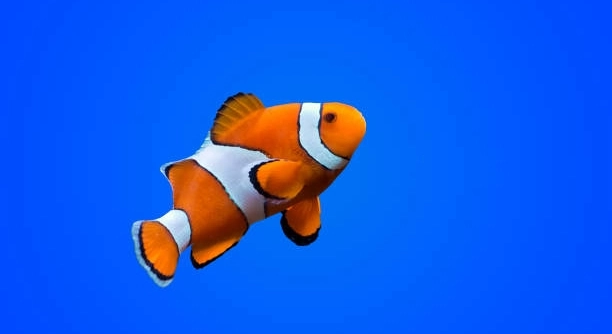
Clownfish are popular aquarium pets known for their bright colors and lively behavior. Many owners notice these fish often stay near the top of the tank. Understanding why they prefer this area can help improve their care and tank setup.
Clownfish tend to stay at the top of the tank due to factors such as oxygen levels, feeding habits, social behavior, and tank conditions. These influences create a suitable environment near the surface, supporting their health and natural tendencies.
Knowing the reasons behind this behavior can help aquarium owners create a better habitat. This information supports healthier clownfish and a more balanced tank environment overall.
Oxygen Levels Near the Surface
Clownfish often stay near the top of the tank because that area has higher oxygen levels. Water near the surface gets more contact with air, which increases oxygen availability. This is important since clownfish need oxygen-rich water to breathe well. In a tank, circulation and aeration systems help maintain oxygen, but the surface usually has the most. If oxygen levels drop, clownfish may become stressed or swim sluggishly. Ensuring proper aeration keeps clownfish healthy and active. Observing their position in the tank can indicate if oxygen levels are sufficient. Adjustments like adding air stones or increasing water movement can improve oxygen near the surface. This natural preference for oxygen-rich water explains why clownfish often stay near the top, making it a vital aspect of their habitat needs.
Oxygen is crucial for clownfish health, so keeping water well-aerated near the surface supports their well-being and activity.
Monitoring and maintaining good oxygen levels enhances clownfish vitality and can prevent health problems related to poor water quality.
Feeding Habits and Food Availability
Clownfish tend to stay near the top because food is often placed there during feeding times. In many tanks, flakes or pellets float on the water’s surface, naturally attracting them to that area. This behavior is reinforced over time, as clownfish learn that food will be available near the top. Additionally, they often form symbiotic relationships with sea anemones or other surface-dwelling organisms, which may also influence their preference for higher tank levels. Feeding near the surface allows clownfish to quickly grab food while keeping an eye out for predators or other tank mates. Proper feeding routines and location support their natural habits and encourage healthy growth. Maintaining a consistent feeding schedule and offering food near the top of the tank helps clownfish feel secure and well-fed.
Feeding practices influence clownfish location in the tank, reinforcing their tendency to stay near the surface.
Offering food at the surface aligns with their natural behavior and promotes a healthy, comfortable environment.
Social Behavior and Territory
Clownfish are territorial and often claim the top area of the tank as their space. They defend this zone from other fish to maintain safety and access to resources.
This territorial instinct helps clownfish establish a clear hierarchy within the tank. By staying near the top, they can monitor intruders and quickly react to threats. This behavior is especially important in community tanks where multiple fish share the space. Clownfish use body language and movements to communicate dominance and protect their territory. Their preference for the upper tank area provides a strategic advantage. The behavior supports their natural instincts and reduces stress by giving them a controlled environment.
The top area also offers proximity to their host anemones or decorations, which often serve as shelter. Maintaining control over this space helps clownfish feel secure and less vulnerable to other fish.
Water Temperature and Light
Clownfish prefer the warmer water near the surface where sunlight or tank lighting is stronger. This area typically has more consistent temperatures, benefiting their metabolism and activity.
Temperature influences clownfish behavior and health significantly. The surface water tends to be warmer due to lighting and air exposure, creating an ideal habitat for these tropical fish. Warmer water boosts their immune system and promotes digestion, making the top of the tank more attractive. Additionally, light exposure helps regulate their daily cycles and supports their vibrant coloration. Cooler water in deeper tank areas may cause clownfish to avoid those regions, as lower temperatures can slow them down and increase vulnerability to illness. Managing tank lighting and heating properly ensures a comfortable environment that encourages natural movement patterns and overall well-being.
Interaction with Tank Mates
Clownfish often stay near the top to avoid aggressive or territorial fish that prefer lower or middle tank levels. This helps reduce conflict and stress.
By choosing the upper zone, clownfish maintain distance from more dominant species. This behavior supports peaceful coexistence within community tanks.
Water Quality and Surface Movement
Water near the surface is usually cleaner and better oxygenated due to surface agitation. This creates a healthier environment for clownfish to thrive.
Regular water changes and maintaining proper filtration keep the surface water optimal. Clownfish instinctively seek these conditions for comfort and well-being.
Natural Instinct and Habitat Preference
In the wild, clownfish live among sea anemones located near the water surface. This instinct carries over to aquarium life, influencing their preference for upper tank levels.
This natural behavior helps clownfish stay safe and close to their host, reinforcing their tendency to remain at the top of the tank.
FAQ
Why do clownfish stay at the top of the tank most of the time?
Clownfish stay near the top because that area offers better oxygen levels and warmer water, both important for their health. Food is also often given at the surface, which naturally attracts them. Their natural instincts from living with sea anemones near the surface also play a role.
Is it a problem if my clownfish never go to the bottom of the tank?
Not necessarily. Clownfish prefer the upper levels for several good reasons like oxygen, temperature, and feeding habits. However, if they seem lethargic or are gasping at the surface, it could indicate poor water quality or low oxygen. Regular tank maintenance helps avoid these problems.
Can other fish cause clownfish to stay at the top?
Yes. Aggressive or territorial fish may push clownfish to higher areas where they feel safer. This behavior is a way for clownfish to avoid conflict. Ensuring the tank has enough space and hiding spots helps reduce stress for all fish.
Should I be concerned if my clownfish hide near the top more than usual?
If hiding becomes constant, it might mean the clownfish feels threatened or stressed. Check water conditions, temperature, and tank mates for any issues. Providing hiding places like anemones or decorations can help them feel secure.
How can I encourage my clownfish to explore other parts of the tank?
Offering food in different areas and adding more hiding spots or decorations lower in the tank can encourage exploration. Gentle water movement also helps simulate natural conditions, making the tank more inviting.
Does the size of the tank affect where clownfish stay?
Smaller tanks limit space, so clownfish may stay near the top due to limited hiding spots or comfort zones. Larger tanks with varied environments allow more movement and natural behaviors. Always choose an appropriate tank size for your clownfish.
Can water temperature fluctuations make clownfish stay at the surface?
Yes, clownfish prefer stable, warm temperatures found near the surface. If the water gets too cold at lower levels, they may avoid those areas. Keeping the tank heater regulated helps maintain a consistent temperature throughout.
Is the presence of an anemone necessary for clownfish to stay at the top?
While clownfish naturally associate with anemones, they can stay near the top even without one. Anemones provide shelter and comfort, reinforcing their preference for the upper tank area, but clownfish will adapt to their environment if none is present.
What role does lighting play in clownfish behavior?
Lighting affects water temperature and their natural daily rhythms. Bright light near the surface attracts clownfish and keeps them active. Proper lighting cycles also support their health and coloration.
How important is water quality in influencing clownfish location?
Water quality is crucial. Poor conditions may cause clownfish to stay near the surface where oxygen is higher and water is cleaner. Regular water changes and filtration are key to maintaining a healthy tank environment.
Do clownfish use the top of the tank for mating or breeding behaviors?
Clownfish often use the top area near their host anemones for breeding and protecting eggs. The surface area provides safety and better conditions for offspring development. This behavior is part of their natural reproductive habits.
What should I do if my clownfish show unusual behavior near the surface?
Unusual behavior such as gasping, flashing, or staying very still could signal health issues or poor water conditions. Testing water parameters and observing tank mates can help identify problems. Acting quickly improves the chances of recovery.
Final Thoughts
Clownfish spending most of their time near the top of the tank is a natural behavior influenced by several important factors. These include the higher oxygen levels found at the surface, warmer temperatures, and easier access to food. Their natural instincts also lead them to stay near the surface, as this mimics their environment in the wild where they live close to sea anemones. Understanding these reasons helps aquarium owners better care for their clownfish by creating a tank environment that meets these needs. This knowledge supports the health and happiness of the fish.
Maintaining good water quality is essential for clownfish to feel comfortable and thrive. The surface area of the tank typically has better oxygenation due to water movement and contact with air, making it a preferred zone. Regular cleaning, proper filtration, and stable temperature help keep the water at ideal conditions. Clownfish also benefit from proper feeding habits, with food usually offered near the top. Feeding routines that match their natural behaviors help reduce stress and encourage natural activity patterns. Providing hiding spots, such as anemones or decorations, near the upper area of the tank also supports their sense of security.
It is important to observe your clownfish regularly to notice any changes in behavior that could indicate problems. If they are constantly hiding or seem lethargic, this might be a sign that water conditions, tank mates, or temperature need attention. Clownfish can adapt well, but they rely on a balanced environment that meets their basic needs. By paying attention to their preferences and maintaining a suitable habitat, owners can enjoy watching these vibrant fish display their natural behaviors. Keeping the top of the tank healthy and welcoming plays a key role in their overall well-being.

Hello,
If you enjoy the content that we create, please consider saying a "Thank You!" by leaving a tip.
Every little bit helps us continue crafting quality advice that supports the health, happiness, and well-being of pets around the world, for pets of all shapes, sizes, and species.
We really appreciate the kindness and support that you show us!