
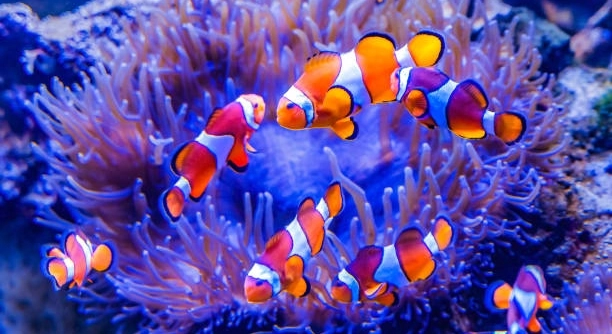
Clownfish are popular aquarium fish known for their bright colors and interesting behaviors. Sometimes, they nip at each other, which can be puzzling for fish owners. Understanding why this happens can help maintain a peaceful tank environment.
Clownfish nip at each other mainly due to territorial disputes, establishing social hierarchy, stress, competition for food, breeding behaviors, limited space, and environmental changes. These factors influence their interactions and can cause aggressive nipping among individuals.
Recognizing the reasons behind this behavior will help you better care for your clownfish and create a calmer home for them to thrive in.
Territorial Disputes Among Clownfish
Clownfish naturally protect their space, especially when they share a tank. When two or more clownfish feel their area is being invaded, they may nip to show dominance. This behavior helps them set boundaries and reduce future conflicts. In small tanks, territorial disputes become more intense because there isn’t enough room for each fish to have its own safe zone. New clownfish added to a tank can trigger more nipping as the existing ones defend their spots. Sometimes, the nipping looks aggressive but is actually a normal part of how clownfish communicate and organize their social order. Providing enough hiding places and decorations in the tank can help reduce these fights by giving each fish a private area. Watching their behavior closely lets you intervene if the nipping gets too rough and causes injury.
Territorial nipping is mostly about space and establishing who belongs where in the tank.
Knowing this can help you arrange your aquarium to keep peace and reduce stress among your clownfish.
Social Hierarchy in Clownfish
Clownfish live in groups with a clear ranking system. The dominant female leads, followed by a dominant male and smaller, less aggressive fish. This order affects how they interact. Nipping often happens as a way to remind others of their place in the hierarchy. The strongest fish will nip at lower-ranked ones to maintain control and discourage challenges. This behavior keeps the group stable but can look rough. Sometimes, the social order changes when the dominant fish die or are removed, causing more nipping until a new balance is found. Observing these interactions can give insight into the group’s health. Ensuring the tank isn’t overcrowded and giving enough space helps maintain this hierarchy with less stress and fewer fights.
Stress and Its Impact on Clownfish Behavior
Stress can make clownfish more aggressive and prone to nipping. Factors like poor water quality, sudden changes, or overcrowding increase their stress levels.
When clownfish are stressed, their natural behaviors change. They may nip more often as a reaction to feeling unsafe or threatened. Stress weakens their immune systems, making them vulnerable to illness. Providing stable water conditions, regular tank cleaning, and avoiding overcrowding are key to reducing stress. It’s important to keep their environment calm and consistent to prevent aggressive nipping.
Stress can come from many sources, but maintaining a clean, stable environment will help your clownfish feel secure. Watching for signs of stress early can save you from bigger problems later on.
Competition for Food
Clownfish compete for food, especially during feeding time. Nipping helps them get a better position or chase others away.
When food is scarce or not distributed evenly, clownfish become more aggressive. They use nipping to claim the best spots and resources. Over time, this can cause stress and injury. Feeding small amounts frequently and spreading food across the tank helps reduce competition. Using sinking pellets or flakes that disperse slowly gives all fish a chance to eat. Ensuring everyone gets enough food lowers aggressive behavior and keeps the group healthier and happier.
Breeding Behavior
During breeding, clownfish can become more territorial and protective. Nipping increases as they guard their eggs and nesting areas.
This behavior is natural and usually temporary. It helps ensure the safety of their offspring from other fish in the tank.
Limited Space
Small tanks limit the room clownfish have to swim and hide. This can increase tension between them.
Without enough space, clownfish feel crowded and stressed, which often leads to more nipping and aggressive behavior.
Environmental Changes
Sudden changes in water temperature, pH, or lighting can upset clownfish. These shifts make them more irritable and prone to nipping.
Keeping conditions stable and gradual when making adjustments helps clownfish stay calm and reduces aggressive incidents.
FAQ
Why do clownfish nip more when new fish are added to the tank?
Clownfish are territorial, so introducing new fish disrupts their established social order. They nip more to test and warn newcomers. This behavior helps them figure out who belongs and who doesn’t. It usually calms down after the fish get used to each other, but providing enough space and hiding spots can make the transition easier.
Is nipping always a sign of aggression?
Not always. Nipping is a way clownfish communicate and set boundaries. Some nips are playful or part of normal social behavior. However, if the nipping causes injury or looks intense and constant, it’s a sign of stress or overcrowding that needs attention.
How can I reduce nipping caused by competition for food?
Feed your clownfish small amounts multiple times a day and spread the food evenly across the tank. This reduces competition at feeding spots and gives all fish a fair chance to eat. Using sinking pellets or slow-release flakes also helps avoid food fights.
Can tank size affect nipping behavior?
Yes. Smaller tanks increase stress and limit space for clownfish to escape or hide. Overcrowding can lead to more frequent and intense nipping. A larger tank with plenty of hiding places allows fish to establish their own territories peacefully.
What role does water quality play in clownfish aggression?
Poor water quality stresses clownfish, making them more irritable and prone to nip. Maintaining stable temperature, pH, and cleanliness helps reduce stress and aggressive behavior. Regular water testing and changes are essential for a healthy environment.
Will nipping stop once clownfish establish a social hierarchy?
Usually, yes. Once a clear hierarchy is in place, nipping decreases as fish accept their roles. However, if the social order is disrupted by adding or removing fish, nipping may increase again until balance returns.
Should I separate clownfish that nip too much?
If nipping causes injuries or constant stress, separation might be necessary. Sometimes rearranging tank decorations or increasing space helps first. If aggression continues, separating aggressive individuals can protect the others and prevent harm.
Do clownfish nip during breeding season only?
Nipping often increases during breeding to protect eggs and territory, but it’s not limited to this period. Other factors like stress or competition can cause nipping at any time. Breeding-related nipping usually calms after the eggs hatch or are removed.
Can changes in lighting or tank setup cause more nipping?
Yes. Sudden changes in lighting or rearranging decorations can confuse or stress clownfish, increasing nipping. Make changes gradually and observe their behavior. Providing consistent conditions helps keep them calm.
Is nipping harmful to clownfish?
Light nipping is usually harmless, but aggressive nipping can cause wounds or infections. Monitoring your fish and ensuring good tank conditions helps prevent serious problems. Prompt action can stop injuries from worsening.
How can I tell if nipping is due to stress?
Look for signs like hiding, loss of appetite, faded colors, or rapid breathing alongside nipping. These indicate stress. Fixing water quality issues, reducing overcrowding, and providing hiding spots can ease their discomfort and reduce aggression.
Are some clownfish species more prone to nipping?
Certain species or individuals may be naturally more territorial or aggressive. It depends on personality, tank conditions, and group dynamics. Knowing your clownfish species’ typical behavior helps prepare for and manage nipping.
Final Thoughts
Clownfish nipping at each other is a natural behavior rooted in their need to establish territory, social order, and protect resources. While it may seem aggressive, nipping helps them communicate and keep balance within their group. Understanding the reasons behind this behavior allows you to better care for your fish and reduce unnecessary stress in the tank. By providing enough space, hiding spots, and maintaining a stable environment, you can help minimize the chances of harmful conflicts among your clownfish.
Managing factors like overcrowding, competition for food, and sudden changes in water quality plays a big role in keeping your clownfish calm and peaceful. When clownfish feel stressed or threatened, they tend to nip more often. Paying attention to their tank conditions and behavior helps catch issues early before they become serious problems. Simple steps like feeding properly, regularly cleaning the tank, and avoiding drastic changes can make a significant difference. Creating a comfortable space for your clownfish benefits their health and makes your aquarium a more enjoyable place to watch.
Remember that some nipping is normal and part of how clownfish interact. However, if it becomes aggressive and causes injury, taking action is important. You might need to rearrange the tank, increase space, or in some cases separate aggressive fish. Patience and observation are key to finding the right balance. Overall, understanding why clownfish nip at each other gives you the tools to keep them happy and healthy. A peaceful tank starts with good care and respect for their natural behaviors.

Hello,
If you enjoy the content that we create, please consider saying a "Thank You!" by leaving a tip.
Every little bit helps us continue crafting quality advice that supports the health, happiness, and well-being of pets around the world, for pets of all shapes, sizes, and species.
We really appreciate the kindness and support that you show us!