
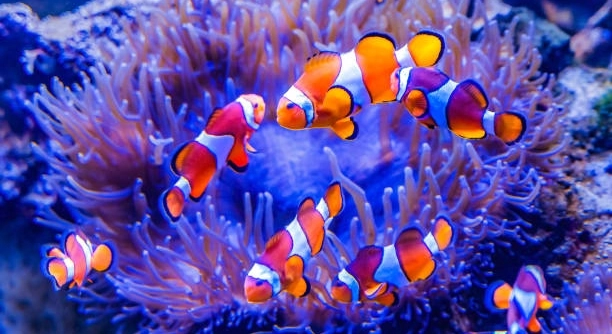
Clownfish are popular aquarium pets loved for their bright colors and playful nature. Many people enjoy watching them swim, but sometimes these small fish may bite unexpectedly. Understanding why this happens can help owners interact better with their clownfish.
Clownfish may bite due to territorial behavior, stress, or feeling threatened. They use biting as a way to protect their space, show dominance, or respond to sudden movements. Biting can also occur if the fish is hungry or confused.
Learning the reasons behind clownfish biting can improve your care approach and help build a calmer environment for both you and your fish. This article explains the common causes and how to handle them.
Territorial Behavior
Clownfish are naturally territorial creatures. In the wild, they guard their anemone homes fiercely. This instinct carries over to home aquariums. When a clownfish feels its space is invaded, it may bite to warn or drive away intruders. This can happen if you reach into the tank or if other fish come too close. The biting is a way to protect what they consider their safe zone. Even slight changes in the tank, like new decorations or rearranged plants, can trigger territorial responses. This behavior is normal but can be startling if unexpected. Understanding their need for space helps prevent stress for both you and the fish. Offering hiding spots and respecting their boundaries can reduce biting incidents. Over time, clownfish can get used to their environment and the people caring for them, but their territorial nature may never fully go away.
Territorial biting is a natural defense mechanism for clownfish to keep their area safe and secure.
When clownfish feel threatened in their territory, biting acts as a clear warning sign. This behavior helps maintain order among tank inhabitants and prevents potential conflicts. Providing enough space and avoiding sudden movements near their favorite spots often reduces their need to bite. Knowing this can make caring for them less stressful and more enjoyable.
Stress and Fear
Clownfish can bite when they feel stressed or scared. Changes in water quality, temperature, or tank mates can cause anxiety. Loud noises or vibrations around the aquarium may also startle them. Stress weakens their immune system and affects their behavior, making them more prone to bite. They might see anything unfamiliar as a threat. Handling the fish roughly or too often can increase their fear and trigger biting. Keeping the tank stable and peaceful helps clownfish feel safe. Watching their reactions closely can help identify what causes stress. When they feel secure, clownfish are calmer and less likely to bite, which makes the tank a better place for everyone. It’s important to create a quiet and steady environment, avoiding sudden changes and disturbances. Proper care and patience can help reduce fear-driven biting in your clownfish.
Hunger and Feeding Time
Clownfish may bite if they are hungry or eager to eat. They can become more aggressive around feeding times.
When food is scarce or feeding is irregular, clownfish can act more assertive. They might nip at fingers or other tank mates to get attention. This behavior is a way to compete for limited food or to signal their hunger. Feeding on a schedule and providing enough food can reduce biting. Using feeding tools like tongs or pipettes can help avoid direct contact, preventing accidental bites. Observing their feeding habits helps ensure they stay calm and healthy.
Proper feeding routines keep clownfish satisfied and less likely to bite. Overfeeding, however, should be avoided to prevent health problems. Balanced feeding promotes a peaceful tank environment.
Mistaken Identity
Clownfish sometimes bite because they mistake fingers or objects for food. Their curiosity combined with quick reflexes leads to accidental nips.
They explore their surroundings by mouthing objects, including hands in the tank. When fingers move like food or smell like leftovers, clownfish may respond by biting. This behavior is not meant to harm but to investigate. Avoid wearing scented lotions or soaps when handling the tank, as smells can confuse the fish. Moving slowly and calmly near the tank reduces sudden bites. Over time, clownfish learn to recognize the difference between food and fingers, decreasing this type of biting. Patience and gentle handling improve interactions and reduce accidental nips in the long run.
Protective Instincts
Clownfish bite to protect their eggs or young. This behavior is strongest during breeding seasons.
They become more defensive when guarding their nest, seeing anything nearby as a threat. This can include other fish, objects, or hands.
Tank Size and Environment
A small or overcrowded tank increases stress and aggression in clownfish. Limited space makes it harder for them to avoid each other or threats. When tank conditions are cramped, biting incidents tend to rise as clownfish compete for territory and resources. Providing a spacious, well-decorated environment helps reduce stress and biting. Adequate hiding places allow the fish to retreat when feeling threatened, promoting a peaceful community.
Health Issues
Sick or injured clownfish might bite more often due to discomfort or irritability.
Why do clownfish bite when I put my hand in the tank?
Clownfish often bite hands because they see them as intruders in their space. Their territorial nature makes them defensive, especially if you reach near their hiding spots or eggs. The movement of your hand can also resemble food, causing them to nip out of curiosity or hunger. To reduce biting, try moving slowly and avoid sudden gestures. Wearing gloves or using tools to interact with the tank can help protect your skin. Over time, clownfish may get used to your presence and become less likely to bite.
Is it normal for clownfish to bite each other?
Yes, clownfish can bite other fish, especially if the tank is crowded or if they are establishing dominance. They use biting to defend their territory and assert social hierarchy. This behavior is more common when space is limited or when new fish are introduced. Providing enough room and hiding places can reduce aggressive biting. Watching for signs of stress or injury among tank mates helps maintain a healthy environment.
Can clownfish biting hurt me?
Clownfish bites are usually small and not harmful. Their teeth are tiny, so bites rarely break the skin. However, if you have sensitive skin or a cut, it could sting or become irritated. It’s best to avoid provoking them and to keep hands clean when working around the tank to prevent infection.
How can I prevent clownfish from biting?
Prevent biting by respecting their territory and avoiding sudden movements near the tank. Feed them regularly with proper food, so they don’t bite out of hunger. Maintain good water quality and a peaceful environment to reduce stress. Adding plenty of hiding spots and space can help them feel safe. Handle the fish gently and limit direct contact to build trust.
Do clownfish bite more during breeding?
Yes, clownfish become more protective during breeding and may bite more often. They guard their eggs and young, seeing anything nearby as a threat. During this time, it’s best to minimize disturbances near their nesting area to avoid stressing them out and triggering biting.
What should I do if my clownfish bites me?
If bitten, clean the area with soap and water to prevent infection. The bite is usually minor, but if it becomes red or swollen, apply an antiseptic and monitor it. Avoid reacting with sudden movements in the tank afterward, as this may increase stress for the fish.
Can stress cause clownfish to bite?
Stress is a common reason clownfish bite. Poor water conditions, overcrowding, or loud noises can make them anxious and defensive. Keeping the tank stable and quiet helps reduce stress. Observing your fish daily allows you to spot early signs of discomfort and take action before biting increases.
Will clownfish bite if they are sick?
Sick or injured clownfish may bite more because they feel vulnerable or irritated. Illness can change their behavior, making them less tolerant of touch or close contact. If you notice increased biting along with other signs like loss of color or sluggishness, check water quality and consider consulting a vet or fish expert.
Is biting a sign that clownfish don’t like me?
Biting is not about dislike. It’s mostly about instincts like protecting territory, hunger, or fear. Clownfish do not form emotional bonds like pets such as dogs or cats. Their bites are natural behaviors, not personal rejections. Patience and understanding their needs help improve your interactions with them.
How do I know if my clownfish is biting out of curiosity or aggression?
Curious biting tends to be gentle and brief, often a quick nip to explore. Aggressive biting is more forceful and may come with chasing or flaring fins. Watching their body language helps tell the difference. Calm behavior and slow movements usually reduce aggression and encourage curiosity instead.
Clownfish biting can feel surprising, especially if you are new to keeping these colorful fish. It’s important to remember that biting is a natural behavior for clownfish. They do it mainly to protect themselves, their territory, or when they are feeling stressed or hungry. Understanding why clownfish bite helps you take better care of them and reduce these bites. By giving them space and respecting their environment, you can build a better relationship with your fish.
Creating a comfortable home for your clownfish is key to minimizing biting. This means keeping their tank clean, providing enough room, and adding hiding spots where they can feel safe. Regular feeding with proper food also helps keep them calm and less likely to bite out of hunger. Watching their behavior closely will give you clues about when they might be feeling stressed or threatened. When you know what causes biting, it becomes easier to adjust your care and reduce any aggressive actions.
Even though clownfish may bite from time to time, these small nips are usually harmless. With patience and careful handling, your clownfish will get used to your presence and bite less. Remember, biting is part of their natural instincts and not a sign of dislike. Paying attention to their needs and creating a stable environment benefits both you and your fish. Over time, you can enjoy watching your clownfish thrive in a peaceful, happy aquarium.

Hello,
If you enjoy the content that we create, please consider saying a "Thank You!" by leaving a tip.
Every little bit helps us continue crafting quality advice that supports the health, happiness, and well-being of pets around the world, for pets of all shapes, sizes, and species.
We really appreciate the kindness and support that you show us!