
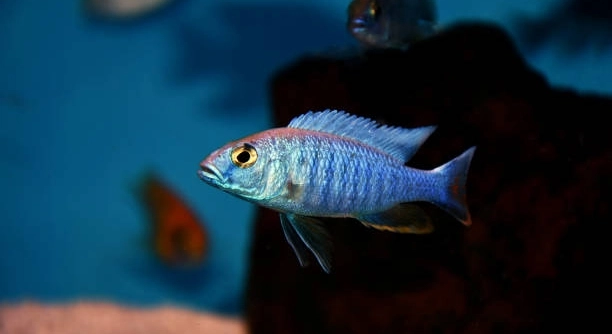
Many aquarium owners notice their cichlids often swim near the water surface. This behavior can seem normal but might also hint at something important about their environment or health. Understanding why they do this can improve their care.
Cichlids swim at the water surface for various reasons, including oxygen needs, feeding habits, water quality, stress, temperature changes, territorial behavior, and natural instincts. Each factor plays a role in why these fish choose to stay near the top layer.
Knowing these reasons helps ensure your cichlids stay healthy and comfortable in their tank. This article explains the common causes behind surface swimming to support better fish care.
Low Oxygen Levels in the Tank
When cichlids swim near the water surface, one common reason is that the oxygen level in the tank is low. Fish get oxygen from the water through their gills, and the surface is where oxygen enters from the air. If the oxygen in the water drops, they move up to get more. This can happen if the tank is overcrowded or if the water is warm, which holds less oxygen. Poor water circulation also affects oxygen levels. Regular water changes and using an air pump or filter can help keep oxygen at a healthy level. Watching your cichlids’ behavior can give you early clues if the tank needs more oxygen, helping prevent health problems.
Low oxygen affects fish health and can cause stress, so it’s important to keep the water fresh and well-aerated for your cichlids to thrive.
Keeping your tank clean and ensuring good water flow will reduce surface swimming caused by oxygen shortage.
Feeding Habits and Surface Swimming
Cichlids are natural feeders at the water surface. Many species look for food floating or drifting near the top. In a home aquarium, they might swim there expecting to be fed. This behavior is normal and shows they are active and alert. Feeding them properly with the right food and at regular times helps satisfy this natural instinct. If they do not get enough food or the wrong type, they might stay near the surface longer, searching for more. Observing their feeding habits helps keep them healthy and reduces stress from hunger. Surface swimming during feeding times is a common and harmless activity for cichlids, showing they are ready for their meal.
Poor Water Quality
Poor water quality can cause cichlids to swim near the surface. High levels of waste or toxins make the environment uncomfortable.
Toxins like ammonia and nitrites build up from fish waste and uneaten food. These harmful substances reduce oxygen levels and irritate the fish. If the tank is not cleaned regularly or filters are not maintained, water quality quickly worsens. Cichlids will move to the surface where oxygen is higher to avoid the poor conditions below. Regular water testing and cleaning help keep the water safe and clear, preventing this behavior.
Keeping water clean improves fish health and comfort. Using a good filter, changing water weekly, and removing debris supports a balanced tank environment.
Stress and Temperature Changes
Stress makes cichlids swim near the surface more often. Changes in temperature, sudden noises, or new tank mates can cause stress.
Cichlids are sensitive to their environment. Sudden drops or rises in water temperature affect their breathing and behavior. When stressed, fish may seek the surface for relief or safety. Keeping the tank stable with consistent temperature and avoiding loud disturbances reduces stress. Gradually introducing new fish helps prevent aggressive behavior and tension. Stress weakens the immune system, so managing these factors is key for healthy cichlids that feel secure in their home.
Territorial Behavior
Cichlids often swim near the surface to mark their territory. This is common during breeding or when they feel threatened.
They use surface swimming to show dominance and warn other fish to stay away, protecting their space in the tank.
Natural Instincts of Cichlids
Cichlids have natural behaviors that include exploring and patrolling the water surface. This is part of their survival instinct in the wild. Swimming near the surface helps them stay alert for food and predators. It also allows them to communicate with other fish through body language. These instincts carry over into home aquariums, where cichlids continue these behaviors even without immediate threats.
Temperature Regulation
Swimming near the surface can help cichlids regulate their body temperature. The water near the surface is often warmer or cooler, depending on the environment.
FAQ
Why do my cichlids stay at the surface all the time?
If your cichlids are constantly near the surface, it often means they are trying to get more oxygen. Poor water circulation, high temperature, or overcrowding can lower oxygen levels. Checking water quality and improving aeration usually helps solve this.
Is it normal for cichlids to swim at the top during feeding?
Yes, cichlids naturally feed near the water surface. They expect food to come from above, so swimming there during feeding time is common and healthy behavior.
Can poor water quality cause surface swimming?
Absolutely. High ammonia, nitrite, or nitrate levels irritate fish and reduce oxygen. Keeping the tank clean, testing water regularly, and doing water changes prevent this issue.
How does temperature affect cichlid behavior?
Cichlids are sensitive to temperature changes. Warm water holds less oxygen, causing fish to swim near the surface for air. Sudden temperature shifts also stress fish, leading to surface swimming.
Are cichlids stressed if they swim near the surface?
Yes, stress from overcrowding, tank mates, or sudden changes can cause cichlids to swim near the surface. Maintaining stable tank conditions helps reduce stress.
Do cichlids swim at the surface to protect territory?
Sometimes. Surface swimming can be a sign of territorial behavior, especially during breeding or when defending their space from other fish.
Can natural instincts cause cichlids to swim near the surface?
Yes, in the wild, cichlids patrol and explore near the surface for food and safety. These instincts continue in home tanks even without threats.
How can I improve oxygen levels in my tank?
Use an air pump or air stone to increase water movement. Make sure filters are clean and working well. Avoid overcrowding and keep water temperature steady.
When should I worry about surface swimming?
If cichlids are gasping for air or showing other signs of distress, such as lethargy or loss of appetite, it’s time to test water quality and check tank conditions.
Can feeding habits cause surface swimming problems?
If cichlids are not fed enough or get poor-quality food, they may stay near the surface longer looking for more. Feeding the right amount at regular times helps prevent this.
What tank maintenance helps reduce surface swimming?
Regular water changes, cleaning the substrate, and maintaining filters are key. Testing water parameters often helps catch problems before fish show signs.
Are there species differences in surface swimming?
Yes, some cichlid species are more prone to surface swimming due to their natural behaviors. Researching your specific species helps understand their habits better.
How often should I change water to keep cichlids comfortable?
Changing 20-30% of the water weekly is a good rule. This keeps toxins low and oxygen levels healthy, reducing surface swimming due to poor water conditions.
Can plants help with oxygen levels?
Live plants produce oxygen during the day, which can help. However, at night they consume oxygen too, so plants should complement good aeration, not replace it.
Is surface swimming always a sign of a problem?
Not always. Sometimes it’s just normal behavior like feeding or exploring. But if it’s constant and paired with other symptoms, it usually points to an issue.
How do I reduce stress that causes surface swimming?
Keep tank conditions stable, avoid sudden changes, provide hiding spots, and introduce new fish slowly to minimize aggression and stress.
What role does water circulation play?
Good water circulation spreads oxygen evenly and removes waste. Poor flow can create low oxygen zones, causing fish to gather at the surface where oxygen is higher.
Can overcrowding cause cichlids to swim at the surface?
Yes, too many fish in a tank reduce oxygen and increase waste. This forces cichlids to seek oxygen at the surface more often.
How does surface temperature affect fish comfort?
The surface temperature can be different from deeper water. Cichlids may move up or down to find their preferred temperature, especially if the tank heater or cooler is uneven.
What signs show cichlids are unhealthy due to surface swimming?
Look for gasping, flashing (rubbing against objects), loss of color, or lethargy. These signs mean the fish need attention to tank conditions or health.
Can water treatments help improve conditions?
Certain water conditioners remove chlorine and detoxify ammonia or nitrites. Using these products during water changes helps keep fish safe and comfortable.
How do I test water quality for my cichlids?
Use a reliable aquarium test kit to check ammonia, nitrite, nitrate, pH, and temperature regularly. This helps detect problems early before fish show distress.
Should I change feeding habits if cichlids swim at the surface too much?
Adjust feeding amounts and frequency if fish seem hungry or overfed. Feeding smaller meals more often can reduce constant surface swimming.
What tank setup reduces surface swimming caused by oxygen issues?
A well-filtered tank with proper aeration, plants, and enough swimming space helps keep oxygen levels stable and reduces surface swimming.
Are there other health issues linked to surface swimming?
Respiratory infections or parasites can cause labored breathing and surface gasping. Observing fish closely and seeking treatment early is important.
Can surface swimming mean your cichlid is happy?
Sometimes, yes. Active swimming near the surface during feeding or play shows alertness and normal behavior, especially in well-maintained tanks.
This FAQ covers common reasons and solutions for why cichlids swim at the water surface, helping you maintain a healthy aquarium.
Cichlids swimming near the water surface is a behavior many aquarium owners notice. It can happen for several reasons, and not all of them mean something is wrong. Sometimes, cichlids swim at the surface because it is part of their natural habits. They may be searching for food, exploring their space, or showing territorial behavior. Other times, it could be a sign that the tank conditions need attention. Factors like oxygen levels, water quality, temperature, and stress all influence where the fish choose to swim. Understanding these reasons helps in providing the best care for your cichlids and keeping them healthy.
Keeping a close eye on your cichlids’ behavior can give you early clues about their health and the state of their tank. If they swim at the surface only during feeding, it is usually nothing to worry about. However, if they are constantly at the top and appear to be gasping for air or showing other signs of distress, it is important to check the tank conditions. Regular maintenance, such as cleaning the tank, testing water quality, and ensuring proper aeration, can prevent most problems. Making sure the tank is not overcrowded and the temperature is stable also helps reduce stress and supports your fish’s wellbeing.
Ultimately, providing a balanced environment for your cichlids will help them feel comfortable and reduce unnecessary surface swimming. This means good water quality, proper feeding, and a calm atmosphere free from sudden changes or disturbances. With some attention and care, you can enjoy watching your cichlids thrive in their aquarium. Knowing why they swim at the surface allows you to respond quickly if any issues arise and ensures your fish stay healthy for a long time.

Hello,
If you enjoy the content that we create, please consider saying a "Thank You!" by leaving a tip.
Every little bit helps us continue crafting quality advice that supports the health, happiness, and well-being of pets around the world, for pets of all shapes, sizes, and species.
We really appreciate the kindness and support that you show us!