
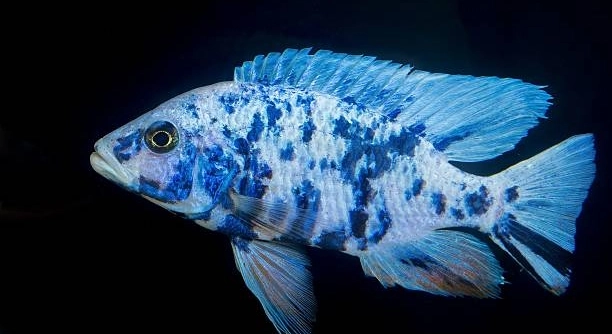
Sudden shyness in cichlids can be confusing for dedicated aquarium keepers who know their usual confidence and color. Changes in behavior often signal stress, discomfort, or shifts within the tank environment that deserve calm attention.
Cichlids most commonly act shy due to environmental stressors such as water parameter changes, overcrowding, aggressive tank mates, or inadequate shelter. These factors elevate stress hormones, reduce territorial confidence, and trigger avoidance behaviors as a protective response within captive systems.
By understanding these underlying causes, aquarists can restore stability, improve fish welfare, and rebuild natural confidence over time safely consistently.
Water Changes and Environmental Stress
Sudden changes in water conditions are one of the most common reasons cichlids begin acting shy without warning. When temperature, pH, or hardness shifts too quickly, fish often retreat to feel safer. I have noticed that even small maintenance mistakes can disrupt their sense of stability. Cichlids rely heavily on consistent surroundings to maintain confidence and normal behavior. Poor filtration, missed water changes, or overcleaning decorations can also disturb beneficial bacteria. This creates discomfort that fish cannot escape. Shyness becomes a natural response when their environment feels unpredictable. Hiding, reduced movement, and faded colors are all signs of stress linked to water instability. Addressing these issues early helps prevent long-term behavioral changes that are harder to reverse. Regular testing and gentle adjustments support calm behavior and help fish regain comfort over time while reinforcing a secure and predictable tank routine that supports daily feeding and social interaction without added stress.
Stable water parameters give cichlids the confidence to swim openly and interact normally. Consistency reduces stress responses and supports immune health. When conditions remain predictable, shy behavior often fades naturally as fish adjust and settle back into familiar routines. This approach keeps the aquarium balanced and promotes long-term stability overall.
Using reliable heaters, calibrated test kits, and a steady maintenance schedule makes a noticeable difference in cichlid behavior. I prefer smaller, frequent water changes instead of large ones that shock the system. Matching new water temperature and chemistry closely prevents sudden reactions. Avoid rearranging the tank during stressful periods, as this removes familiar reference points. Observing fish closely after maintenance helps catch issues early. With patience and consistency, cichlids often regain bold movement, stronger coloration, and relaxed social behavior within a stable environment. Over time, this care builds trust and visible comfort that supports natural territorial confidence and steady activity.
Tank Mates and Social Pressure
Social pressure within the tank plays a major role in sudden shyness. Aggressive tank mates, overcrowding, or improper species pairing can push cichlids into hiding. When fish feel threatened, withdrawal becomes a safety behavior that reduces conflict and physical harm, especially in limited spaces with constant visual contact and competition.
Each cichlid species has its own tolerance for sharing space, and ignoring this often leads to stress. I have seen confident fish become shy simply because dominant tank mates claimed too much territory. Limited hiding spots make this worse, as fish cannot escape attention. Providing rock structures, caves, and visual barriers allows weaker fish to rest without pressure. Stocking levels matter just as much as layout. Too many fish create constant movement and tension. Even peaceful species can cause stress when space is tight. Observing interactions during feeding helps identify problems early. Separating aggressive individuals or rehoming incompatible species restores balance. Over time, reduced competition encourages normal swimming and feeding patterns. Cichlids that feel secure are more likely to display natural colors and behaviors. Maintaining proper social balance supports long-term health and prevents recurring shyness. Space planning should match adult size rather than juvenile appearance. Consistent observation helps prevent slow-developing issues that are easy to miss. A calm tank structure supports confidence and reduces daily stress responses. This approach creates stability that benefits every fish over time and improves overall behavior consistency across changing conditions and social shifts within a carefully managed aquarium environment that prioritizes space and compatibility always.
Lack of Proper Hiding Spaces
Cichlids rely on hiding spaces to feel secure, especially during rest or stress. When caves, rocks, or plants are lacking, they remain exposed. This constant visibility increases tension and encourages shy behavior as fish attempt to avoid perceived threats within confined tanks that offer little visual separation or comfort zones.
Without adequate shelter, weaker or subordinate cichlids struggle to establish safe zones. I have noticed these fish hover near corners or behind equipment, limiting movement. This behavior reduces feeding confidence and social interaction. Adding multiple hiding areas spreads territorial pressure evenly. Rocks, driftwood, and caves break sightlines and lower aggression. Each fish needs access to shelter without competition. Rearranging decor carefully can reset territory boundaries. Avoid sharp changes, but create enough cover to support natural retreat. Over time, visible confidence improves as fish learn there are reliable places to rest undisturbed during daily activity and nighttime periods consistently without disturbance.
Providing shelter is not about overcrowding the tank with decorations. Balance matters. Too many structures can restrict swimming space and trap waste. I prefer creating layered hiding options at different heights. This allows fish to choose comfort based on mood and rank. Plants soften open areas and reduce visual stress. Secure caves near the substrate support resting and breeding behaviors. When hiding options feel natural and accessible, cichlids spend less time avoiding others. Shyness fades as their environment supports both safety and movement across daily routines, feeding times, and periods of increased social interaction within the aquarium consistently and calmly.
Lighting and External Disturbances
Bright lighting and constant external movement can overwhelm cichlids quickly. Sudden shadows, tapping on glass, or frequent room traffic raise alert behavior. I have seen fish retreat simply from inconsistent lighting schedules. Without predictable light cycles, they remain cautious. Excessive brightness removes the sense of cover, especially in sparsely decorated tanks, leading to prolonged hiding and reduced activity. This stress builds gradually and affects feeding, color, and overall behavior patterns over time, within the tank.
Lighting should mimic natural day and night patterns as closely as possible. I keep timers consistent to avoid sudden changes. Dimmer zones created by plants or decor allow fish to rest without full exposure. Avoid placing tanks near televisions or doors where movement is constant. Even routine household noise can cause repeated startle responses. Soft, gradual light transitions reduce stress significantly. Backgrounds on the back of the tank help limit visual stimulation. When external disturbances are controlled, cichlids become more active and visible. They feed more confidently and patrol territory calmly. Stability outside the tank is just as important as conditions inside, supporting relaxed behavior over time. I have noticed lasting improvements once environmental distractions are consistently reduced for healthier daily behavior patterns overall stability.
Health Issues and Sudden Changes
Illness often causes cichlids to withdraw quietly before physical symptoms appear. Reduced movement, hiding, and loss of color are early signs. When fish feel unwell, conserving energy becomes a priority. Shy behavior helps limit interaction and reduces stress while the body attempts recovery during challenging internal conditions and immune strain.
Stress from recent changes can also trigger temporary shyness. New decorations, tank moves, or altered routines disrupt familiarity. I have noticed fish hide longer after changes that seem minor. Giving time, stability, and consistent care allows behavior to normalize without forcing interaction or sudden adjustments that increase anxiety levels unnecessarily.
Diet and Feeding Consistency
Poor diet and inconsistent feeding schedules can quietly affect cichlid confidence. When nutrition lacks balance, energy levels drop and stress tolerance weakens. Fish may hide more and avoid competition during feeding. I have seen shy behavior improve simply by correcting portion size and food variety. High quality pellets, occasional frozen foods, and proper feeding frequency support stable behavior. Overfeeding causes water issues, while underfeeding increases tension. Feeding at the same times daily builds predictability. When cichlids know food arrives reliably, they become more active, visible, and comfortable asserting space during normal routines with reduced stress and stronger daily responses overall.
Breeding and Hormonal Shifts
Breeding cycles can make normally bold cichlids appear shy or withdrawn. Hormonal shifts change priorities toward protection and recovery. During these periods, reduced movement and hiding are common. Once cycles pass and conditions stabilize, behavior usually returns without intervention or concern when the environment remains calm and supportive and stable.
Why are my cichlids hiding more than usual?
Hiding is a natural response when cichlids feel stressed or unsafe. Common reasons include sudden changes in water temperature, pH shifts, overcrowding, or aggressive tank mates. I have noticed that even minor changes in their environment can cause noticeable withdrawal. Adding hiding spots or stabilizing tank conditions often helps them regain confidence.
How can I tell if shyness is due to illness?
Illness often presents subtly. Watch for faded colors, clamped fins, reduced appetite, or slower swimming. Shyness combined with these signs usually indicates a health issue rather than normal behavior. I prefer observing fish daily and noting any deviations from their usual routine. Early detection allows treatment before serious complications develop.
Does tank size affect cichlid behavior?
Yes. Smaller tanks create territorial stress and increase interactions with aggressive or dominant fish. Overcrowding leaves little space for retreat, encouraging hiding. I’ve seen shy behavior fade when fish are moved to larger tanks with adequate swimming space and multiple hiding areas, which reduces tension significantly.
Can lighting changes make cichlids shy?
Sudden bright lights, shadows, or inconsistent schedules can trigger stress. Cichlids feel exposed and retreat to hide. Using dim zones, timers, and natural day-night cycles helps them feel secure. I arrange plants and decorations to create shaded areas so fish have control over their exposure. Predictable lighting improves activity levels and overall comfort.
Will diet influence shyness?
Yes. Poor nutrition or inconsistent feeding reduces energy and stress tolerance. Shy behavior often coincides with low-quality food or irregular feeding times. I stick to high-quality pellets, supplemented occasionally with frozen or live food. Consistent schedules build confidence during feeding periods and encourage natural activity. Overfeeding or underfeeding can also lead to water quality issues, further increasing stress.
Do tank mates cause shyness?
Aggressive or dominant fish can push cichlids into hiding. Even compatible species can cause stress if space is limited or hiding spots are insufficient. I arrange rocks, caves, and plants to create territories and visual breaks. Observing interactions during feeding helps identify individuals causing tension. Separating aggressive fish can restore calm.
How long does it take for shy cichlids to adjust?
Adjustment depends on the cause. Environmental stabilization, proper hiding spots, consistent feeding, and stress reduction usually lead to noticeable improvement within days to weeks. I notice that fish gradually regain color, patrol territories, and become more visible as comfort returns. Patience and observation are key.
Can breeding make fish act shy?
Yes. Hormonal changes during breeding cycles cause temporary withdrawal. Fish may hide to protect eggs or recover energy. I avoid disturbing breeding pairs and maintain stable conditions. Once cycles pass, behavior typically returns to normal without intervention.
Is water quality a frequent trigger?
Absolutely. High ammonia, nitrite, nitrate, or fluctuating pH can make fish hide constantly. I rely on regular testing, gentle water changes, and stable filtration to maintain ideal parameters. Fish in balanced water conditions display normal activity and reduced shyness.
What immediate steps can I take if my cichlids become shy suddenly?
Check water parameters, confirm filtration and temperature stability, and inspect tank mates for aggression. Add hiding spots if needed and keep feeding consistent. Minimize disturbances around the tank. I have seen rapid improvement when these adjustments are implemented carefully without causing additional stress.
Can external disturbances affect behavior?
Yes. Noise, vibrations, and movement near the tank can make fish retreat. I place tanks away from doors, televisions, and high-traffic areas. Even small movements can trigger repeated hiding responses. Reducing external stressors helps fish feel secure and encourages normal swimming and feeding behavior.
Should I move shy cichlids to a new tank?
Only if the current environment cannot be stabilized. Relocating adds stress, so it should be a last resort. I first try adjusting tank layout, water quality, and hiding spaces. If aggression or space is the main issue, moving some fish may be necessary, but it should be done carefully with acclimation to avoid worsening shyness.
How can I prevent shyness in the future?
Consistent care is key. Stable water parameters, appropriate tank size, compatible tank mates, predictable feeding schedules, and adequate hiding spots all support confident behavior. I maintain a regular observation routine to catch early signs of stress. Preventing environmental shocks and planning tank layout thoughtfully reduces future episodes of sudden shyness.
Can shyness impact breeding or growth?
Yes. Fish that hide constantly may eat less and expend more energy avoiding stressors, which can affect growth and breeding readiness. I monitor shy fish closely, ensure proper nutrition, and provide safe spaces to reduce negative impacts on development and reproductive behavior.
Cichlids are naturally curious and active fish, but sudden shyness is often a sign that something in their environment is off balance. Many factors can contribute to this behavior, including changes in water parameters, tank mates, or even daily routines. Observing fish closely and noting any shifts in behavior is essential for understanding what may be causing stress. Over time, small environmental adjustments, such as adding hiding spaces, stabilizing water chemistry, or rearranging decorations, can help fish feel more secure and confident. Shyness is rarely permanent when the underlying cause is addressed thoughtfully and consistently.
Diet and feeding schedules also play a key role in cichlid behavior. Fish that are underfed, overfed, or provided low-quality food often lose energy and become withdrawn. Maintaining a balanced diet with high-quality pellets, supplemented occasionally with frozen or live foods, supports both health and activity levels. Feeding at consistent times each day gives fish a sense of predictability, reducing stress and encouraging normal swimming and social behavior. Even changes that seem minor, such as a slightly different portion size or altered feeding location, can impact confidence if fish are already sensitive. Ensuring that every fish has access to food without competition also helps maintain harmony within the tank and reduces hiding behavior over time.
External factors, including lighting, room activity, and tank layout, affect cichlid comfort as well. Bright lights, sudden shadows, or frequent movement near the tank can startle fish and lead to prolonged hiding. A balanced tank setup with dim zones, visual barriers, and multiple hiding spots provides security while allowing fish to move freely when they choose. Consistency in maintenance, feeding, and environmental conditions helps fish adjust and feel safe in their surroundings. By paying attention to these details and responding calmly to changes, shy behavior can be minimized. Over time, cichlids regain their natural confidence, swim more openly, and display vibrant colors. Careful observation and thoughtful adjustments are the most effective way to ensure their well-being and maintain a calm, healthy aquarium environment for years to come.

Hello,
If you enjoy the content that we create, please consider saying a "Thank You!" by leaving a tip.
Every little bit helps us continue crafting quality advice that supports the health, happiness, and well-being of pets around the world, for pets of all shapes, sizes, and species.
We really appreciate the kindness and support that you show us!