
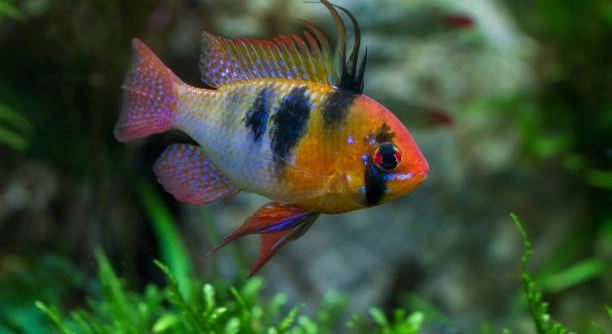
Do your cichlid pairs suddenly seem distant or aggressive despite living together peacefully before? Many hobbyists face this unexpected behavior, leaving them confused about what went wrong in their carefully maintained aquarium environment.
Cichlid pairs often break up due to environmental stress, poor compatibility, disease, territorial disputes, lack of proper nutrition, sudden changes in tank conditions, or reproductive challenges. Identifying the precise cause is essential to prevent long-term harm to both fish.
Understanding these factors can help you maintain healthier, more stable pairings. Recognizing subtle changes early ensures your cichlids’ long-term well-being and harmony in their habitat.
Disease and Health Issues
Illness can cause cichlid pairs to separate quickly. Infections, parasites, or internal conditions often make one fish lethargic, weak, or irritable. Healthy pairs rely on balanced behavior, but a sick fish can no longer participate in normal interactions. Signs like faded colors, clamped fins, or unusual swimming patterns indicate potential problems. Ignoring these early warning signs may lead to aggression, avoidance, or complete separation between paired fish. Regular health checks, quarantine for new additions, and prompt treatment of disease are essential to maintain pair stability. Stress from illness can further weaken the immune system, making recovery slower and increasing tension in the tank. Preventative care, including proper diet, clean water, and observation of unusual behavior, supports long-term pair bonding. Maintaining a routine for monitoring and addressing minor health issues can prevent sudden breakups and ensure both fish remain active, comfortable, and connected.
Prompt attention to health issues can prevent unnecessary pair separation.
Early detection and treatment of disease are critical. Quarantining new fish, maintaining clean water, and monitoring behavior reduce illness risk. Healthy cichlids maintain their bond more reliably.
Addressing health concerns promptly is vital for pair stability. Illness changes behavior, reducing cooperation and shared territory defense. A sick fish may become withdrawn or overly aggressive, causing stress for the healthy partner. Providing adequate nutrition strengthens immunity, while maintaining consistent water parameters reduces disease risk. Observing fish daily allows identification of subtle behavioral changes before they escalate into full separation. Preventative care also includes avoiding overcrowding, using clean equipment, and minimizing sudden environmental changes that can trigger illness. Sometimes a single disease outbreak can disrupt multiple pairs in a community tank. Early intervention, treatment with appropriate medication, and isolation when necessary help restore balance. A healthy environment ensures both fish can engage in normal bonding behaviors like shared territory defense and coordinated breeding. Long-term care and vigilance support the overall health and social stability of cichlid pairs, reducing unexpected breakups due to preventable health problems.
Territorial Disputes
Territorial behavior often causes paired cichlids to separate.
Cichlids are naturally territorial, and limited space can lead to conflicts. Establishing clear boundaries and providing multiple hiding spots reduces disputes and helps maintain peace between pairs.
Territorial disputes arise when tank space or resources are insufficient. Even compatible pairs may fight over preferred areas, nesting sites, or feeding zones. Aggressive posturing can escalate into constant chasing or fin nipping, disrupting the bond. Careful tank design, including separate shelters, visual barriers, and adequate open space, minimizes these conflicts. Observing interactions during feeding times and adjusting decorations can prevent dominance struggles. Some species require more vertical or horizontal space depending on natural behaviors. Ensuring a balanced environment allows both fish to claim personal areas without constant confrontation. Territorial disputes can also intensify during breeding periods, requiring temporary separation or additional shelters. Monitoring behavior and making timely adjustments helps maintain harmony. Long-term success depends on recognizing each fish’s spatial needs and providing opportunities to retreat or assert dominance safely. With proper planning, territorial instincts can coexist with pair bonding, reducing sudden breakups caused by aggression.
Sudden Changes in Diet
Changes in diet can trigger stress and tension between paired cichlids. Switching foods too quickly or introducing low-quality options may affect their energy, behavior, and willingness to interact. Consistent, high-quality nutrition supports stable bonds and overall health in both fish.
A sudden change in diet can disrupt normal feeding routines, causing competition and minor aggression. Nutritional deficiencies can weaken immune responses, increasing susceptibility to disease and reducing activity levels. Fish may become irritable or less cooperative in shared spaces, leading to temporary or permanent separation. Maintaining a consistent diet with balanced nutrients and gradually introducing new foods reduces these risks. Feeding multiple times in small portions ensures both fish receive enough nutrition and prevents dominance during meals. Observation is key to identifying early signs of dietary stress, allowing adjustments before it impacts their pairing.
Diet directly affects behavior and bonding. Fish deprived of familiar foods may show aggression or withdrawal, disrupting territory sharing and breeding activities. Gradual food transitions, observation during meals, and proper portioning help maintain harmony. Ensuring both fish receive a balanced diet strengthens immune systems and reduces tension, preventing food-related conflicts. Even small dietary changes can have outsized effects, especially for sensitive species. Monitoring responses to new foods allows timely corrections and keeps energy levels stable. Stable nutrition supports normal interactions, shared territory use, and reproductive behaviors.
Reproductive Challenges
Breeding difficulties often stress cichlid pairs.
Pairs may separate if spawning attempts fail repeatedly or if one fish is infertile. Hormonal changes, aggression, or guarding behavior during unsuccessful breeding can strain the bond between mates.
Reproductive challenges can escalate tension quickly. Cichlids invest energy and territory into breeding, and failed attempts may trigger aggression or withdrawal. Differences in readiness to spawn, incompatible mating behaviors, or failure to care for eggs or fry can increase frustration. Even successful spawns can lead to temporary separation if one fish becomes overly protective or aggressive. Providing suitable breeding sites, monitoring egg health, and supporting both fish during spawning reduces stress. Sometimes, pairing with more compatible mates is necessary to maintain long-term stability. Understanding species-specific reproductive behavior helps anticipate issues and minimize disruptions to established pairs. Regular observation allows intervention if aggression or neglect becomes severe. Maintaining a calm, supportive environment encourages successful reproduction and reduces the risk of permanent breakup due to breeding stress.
Sudden Introduction of New Tankmates
Adding new fish abruptly can stress existing cichlid pairs. New arrivals may trigger territorial disputes, aggression, or withdrawal, disrupting established bonds. Careful planning and gradual introduction reduce tension.
New tankmates change the social dynamics. Even peaceful species can provoke fear or dominance behavior in paired cichlids. Observing interactions closely helps prevent permanent separation.
Incompatible Breeding Cycles
Cichlid pairs may struggle when their reproductive cycles do not align. Mismatched timing can cause frustration, aggression, or lack of cooperation during spawning. Maintaining awareness of each fish’s hormonal changes and breeding readiness helps reduce conflicts.
Aging and Physical Decline
As cichlids age, energy levels, fertility, and stamina decline. These changes affect interactions, shared territory defense, and breeding activities, potentially leading to separation. Adjusting care routines, diet, and tank conditions supports older pairs and prolongs their bond.
Tank Size Limitations
Limited space can increase stress and aggression. Crowded conditions prevent proper territory establishment, making it harder for pairs to coexist peacefully. Adequate space and proper tank design are essential to maintain harmony and reduce breakup risk.
FAQ
Why did my cichlid pair suddenly start fighting after months of harmony?
Pairs often separate due to environmental stress, illness, or subtle changes in tank conditions. Even minor fluctuations in temperature, pH, or water flow can trigger aggression. Territorial disputes and personality differences may also emerge over time, especially if one fish becomes more dominant or restless. Monitoring behavior and maintaining consistent water quality helps prevent sudden conflicts.
Can diet changes cause my cichlids to break up?
Yes. Abrupt changes in food type or quality can affect energy levels and mood. Fish may become aggressive over feeding areas or withdrawn if nutrition is insufficient. Gradual transitions and consistent, balanced meals support normal behavior and reduce stress-related separation.
Do diseases affect pair bonding in cichlids?
Illness weakens one or both fish, reducing cooperation and normal interaction. Sick fish may withdraw or behave aggressively. Early detection, proper treatment, and quarantine for new arrivals preserve pair stability and prevent stress from escalating into permanent separation.
How important is tank size for paired cichlids?
Limited space increases territorial disputes and stress. Pairs need enough room to establish personal areas and navigate freely. Adequate hiding spots, open swimming space, and well-planned decorations reduce aggression and support a lasting bond.
Will all cichlid pairs eventually break up?
Not necessarily. Compatibility, stable environment, proper diet, and attentive care are key factors. While some pairs separate due to personality differences or aging, most can maintain long-term bonds with careful management of tank conditions and social interactions.
Can adding new fish affect established pairs?
Introducing new tankmates changes social dynamics. Even peaceful additions can trigger aggression or fear, leading to separation. Gradual introduction, observation, and temporary barriers between pairs and newcomers minimize stress and preserve stability.
How do reproductive issues impact cichlid pairs?
Mismatched breeding cycles or failed spawning attempts create tension. Frustration, aggression, or withdrawal may occur. Providing suitable breeding sites, monitoring egg or fry care, and understanding species-specific behavior helps reduce reproductive stress and maintain pair cohesion.
Does aging influence pair stability?
Yes. Older fish experience declining energy, stamina, and fertility, which can affect territory defense, cooperation, and breeding behaviors. Adjusting diet, tank conditions, and activity levels helps aging pairs remain comfortable and bonded.
Are some species more prone to separation than others?
Individual temperament and species-specific behavior influence pair stability. Aggressive or highly territorial species require careful pairing, adequate space, and environmental enrichment to prevent frequent breakups. Observation of early interactions helps select compatible mates.
What are the early signs my pair may be breaking up?
Signs include increased chasing, fin nipping, hiding, loss of interest in shared territory, or avoidance during feeding. Monitoring these behaviors allows for timely adjustments in tank conditions, diet, or social structure to prevent permanent separation.
Can environmental enrichment help maintain pairs?
Yes. Adding hiding spots, visual barriers, and varied structures reduces tension. Enrichment allows fish to claim territories, retreat when needed, and interact without constant aggression, supporting long-term pair stability.
How can I restore a pair that has started separating?
Identify the cause—stress, health, territorial disputes, or diet. Correct water conditions, provide hiding spaces, adjust feeding routines, and address health issues. Sometimes separating fish temporarily or re-pairing with more compatible mates is necessary to restore harmony.
Does water quality directly affect bonding?
Absolutely. Poor water conditions increase stress, trigger aggression, and weaken immunity. Maintaining stable temperature, pH, and cleanliness ensures fish feel secure, reducing the likelihood of sudden pair breakups.
Are there signs that separation is irreversible?
Persistent aggression, refusal to share territory, prolonged hiding, or repeated failed breeding attempts often indicate permanent separation. Intervention may help in mild cases, but some pairs cannot reconcile once behavioral differences become extreme.
Can stress from external factors cause breakup?
Yes. Loud vibrations, frequent tank maintenance, or sudden changes in lighting can stress cichlids. Even minor disturbances may disrupt bonding if paired fish are already sensitive. Consistent, calm conditions help maintain stability.
How do I prevent future breakups in cichlid pairs?
Maintain stable water conditions, monitor health, provide a balanced diet, ensure sufficient space, and observe personality compatibility. Gradual changes in tankmates, decorations, or food minimize stress and support lasting pair bonds.
Is it better to separate aggressive pairs immediately?
Immediate separation is sometimes necessary if aggression is severe. Quick action prevents injury, stress, or mortality. After recovery, pairs can be reintroduced gradually if environmental or compatibility issues are addressed.
Can breeding stress be managed without separating pairs?
Yes. Providing multiple shelters, monitoring interactions, and adjusting feeding routines helps manage aggression during breeding. Observation ensures eggs or fry are protected without forcing permanent separation.
Do cichlids ever reconcile after breaking up?
Occasionally, pairs may reconcile if stressors are removed or conditions improve. However, reconciliation is less likely if aggression has caused injury, permanent behavioral change, or dominance imbalance. Preventive care is more reliable than attempting repair after separation.
What role does observation play in maintaining pairs?
Daily monitoring allows early detection of stress, illness, or aggression. Timely intervention prevents minor issues from escalating into permanent separation. Consistent observation is essential to understand behavior patterns and maintain harmony.
Cichlid pairs can be both rewarding and challenging to maintain. Their behavior is influenced by a combination of environmental factors, health, diet, personality, and breeding needs. Even pairs that once appeared perfectly matched can experience sudden tension or separation. Understanding the key reasons behind these breakups helps aquarists prevent problems before they become serious. Regular observation, consistent care, and a well-structured tank environment are essential for fostering harmony. Paying attention to small changes in behavior, such as increased chasing, hiding, or aggression during feeding, can provide early warning signs that a pair may be stressed or unhappy. Acting promptly in response to these signs often prevents permanent separation and maintains a peaceful tank environment.
Maintaining a stable and suitable environment is one of the most important factors in keeping cichlid pairs together. Water quality, temperature, pH, and hardness should be monitored consistently, as sudden fluctuations can increase stress and trigger aggression. Tank design also matters; providing enough space, multiple hiding spots, and visual barriers allows each fish to claim territory and feel secure. Balanced nutrition supports physical health and energy levels, reducing irritability and promoting normal interactions. Attention to compatibility is equally critical. Some fish simply do not match in personality or temperament, and mismatched pairs may require extra observation or even re-pairing to prevent ongoing conflicts. Preventative measures and proactive adjustments are far more effective than attempting to repair a bond after serious behavioral problems occur.
Cichlid pairs are sensitive creatures, and a long-term, healthy bond requires ongoing care and understanding. Aging, reproductive challenges, disease, or changes in diet and tankmates can all influence their relationship. While it is impossible to control every factor, consistent monitoring, timely intervention, and a supportive environment can reduce risks and strengthen the pair’s connection. Providing a calm, structured, and enriched habitat allows both fish to thrive, maintain territories, and participate in natural behaviors. By focusing on stability, health, and compatibility, aquarists can enjoy the satisfaction of watching their cichlid pairs coexist peacefully for years. Even when issues arise, thoughtful care and adjustments make it possible to maintain harmony, minimize stress, and protect the well-being of both fish.

Hello,
If you enjoy the content that we create, please consider saying a "Thank You!" by leaving a tip.
Every little bit helps us continue crafting quality advice that supports the health, happiness, and well-being of pets around the world, for pets of all shapes, sizes, and species.
We really appreciate the kindness and support that you show us!