
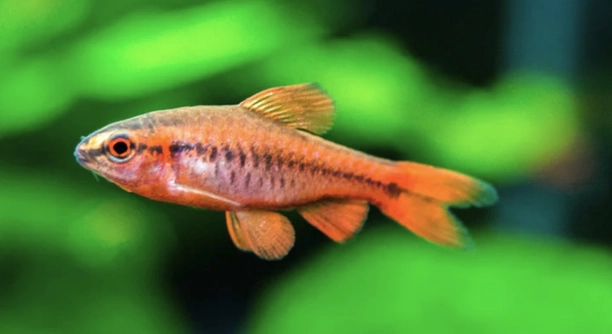
Cherry Barbs are known for their vibrant colors and active schooling behavior. However, there are times when they may stop schooling, leaving aquarium owners puzzled. Understanding the reasons behind this behavior can help improve their well-being and happiness.
The main reasons Cherry Barbs stop schooling include stress from poor water conditions, improper tank mates, lack of space, or insufficient numbers of their kind. Other factors such as illness or low light levels may also contribute to this change in behavior.
By learning more about these factors, you can create a more suitable environment for your Cherry Barbs, encouraging them to school again.
Stress from Poor Water Conditions
Cherry Barbs are highly sensitive to changes in water quality. If the water is too dirty or if the parameters such as pH, hardness, or temperature are off, they may stop schooling. Water quality plays a crucial role in their overall health. If your Cherry Barbs are acting differently, check the water conditions immediately. Stress from poor water quality can lead to a decrease in their natural behavior, including school formation. Regular water changes, proper filtration, and maintaining the right temperature are vital for a thriving tank. Cherry Barbs thrive in stable environments, so any fluctuations may cause them to isolate themselves.
Poor water quality can lead to other issues like poor oxygen levels, which can make Cherry Barbs feel threatened. They may swim separately to avoid stress. In such cases, addressing water conditions can restore normal behavior.
Keeping the water clean and stable is essential. Consistent monitoring of the water’s parameters ensures that your fish are comfortable, leading to happier, healthier Cherry Barbs. It’s a simple solution that can make a big difference.
Unsuitable Tank Mates
The presence of aggressive or overly active tank mates can cause stress to your Cherry Barbs. They are peaceful fish and can get intimidated by more dominant species. If you notice that they are no longer schooling, it could be due to the aggression of other fish in the tank. Certain fish may chase them, invade their space, or simply disrupt the peaceful dynamics.
In a peaceful tank, Cherry Barbs are likely to school more and exhibit healthy social behavior. Choosing appropriate companions, such as other peaceful species, can help reduce stress and encourage them to swim in a group again.
For Cherry Barbs, it’s best to keep them with fish that share similar temperament and size. Adding more of their kind is also helpful to reduce isolation and create a more comfortable environment. A well-balanced community tank keeps everyone happy.
Lack of Space
When Cherry Barbs don’t have enough room to swim, they tend to become stressed and may stop schooling. The size of the tank plays a significant role in their social behavior. If the space is too small, they won’t feel comfortable.
Cherry Barbs need a tank that offers enough space to move freely. A cramped environment prevents them from exhibiting natural schooling behavior. To keep them happy, aim for a minimum of 20 gallons for a small group. The more space you can provide, the better their overall health and schooling will be.
Overcrowded tanks not only cause stress but also affect water quality quickly, further impacting your fish. Keep the tank spacious and ensure that they have room to interact with one another. This can make a huge difference in encouraging schooling behavior.
Insufficient Numbers of Their Kind
Cherry Barbs are social creatures. They feel more secure and comfortable when surrounded by others of their own species. Keeping them in small numbers can lead to anxiety, which may cause them to stop schooling altogether.
If you notice your Cherry Barbs swimming separately, it’s likely because they don’t feel secure. Adding more Cherry Barbs to the tank creates a sense of safety and can encourage them to form groups. Aim for at least six Cherry Barbs in a school to promote natural behavior.
Small numbers can lead to isolation, as these fish thrive in groups. Increasing their numbers improves their chances of socializing and reduces stress. In addition, schools offer protection against potential predators in the wild, which your Cherry Barbs will instinctively replicate in the aquarium.
Illness or Injury
If your Cherry Barbs are sick or injured, they may stop schooling. Illness and injury cause stress, leading them to isolate from the group. Signs like lethargy or abnormal swimming behavior can indicate something is wrong.
Any visible wounds or behavioral changes should be addressed immediately. Sick fish need proper treatment to avoid further isolation. Quarantine the affected fish if necessary to prevent the spread of illness. Keeping the tank clean and maintaining good water quality will help prevent infections and injuries, ensuring the fish remain healthy and active.
Poor Lighting Conditions
Cherry Barbs are sensitive to lighting conditions. If the lighting is too dim or too bright, they may feel insecure and stop schooling. Bright lights can be overwhelming, while low lighting can make them anxious.
Maintaining moderate lighting in the tank is key. Soft, ambient lighting is ideal for Cherry Barbs. It helps them feel secure and encourages natural behaviors like schooling. If you notice them acting out of character, consider adjusting the light intensity to create a calm and balanced environment.
FAQ
Why did my Cherry Barbs stop schooling?
There are several reasons why Cherry Barbs might stop schooling. Most commonly, it’s due to stress from poor water conditions, lack of space, unsuitable tank mates, or not having enough of their kind in the tank. Ensuring the tank is large enough, the water is clean, and there are at least six Cherry Barbs should help encourage schooling behavior. If they feel threatened or unsafe, they might also break off from the group. Watch for any changes in their environment that could cause anxiety and adjust accordingly.
How can I help my Cherry Barbs start schooling again?
To help your Cherry Barbs start schooling again, focus on improving their environment. Start by checking and maintaining water quality, ensuring the tank has enough space for them to swim comfortably, and keeping peaceful tank mates. Adding more Cherry Barbs to the group can also help them feel more secure. Once the environment is stable, they will likely return to their natural schooling behavior. Patience is important, as it may take a few days for them to adjust.
What are the signs of stress in Cherry Barbs?
Stressed Cherry Barbs may display signs such as erratic swimming, hiding, reduced appetite, and isolation from the group. They might also show darker coloring or develop visible sores. Changes in behavior like sudden aggression or increased hiding can indicate that something is wrong with their environment. Address any issues promptly to reduce stress levels and help them feel safe.
How many Cherry Barbs should I keep together?
Cherry Barbs are social fish and thrive in groups. It’s recommended to keep at least six of them together to encourage natural schooling behavior. Smaller groups may lead to anxiety and isolation, making it harder for them to school. The more Cherry Barbs you have, the better their social dynamics will be. Ensure the tank is large enough to accommodate them comfortably.
What are the best tank mates for Cherry Barbs?
Cherry Barbs do well with peaceful tank mates. Ideal companions include other small, calm species like tetras, guppies, or rasboras. Avoid keeping them with aggressive or territorial fish, such as larger cichlids or aggressive barbs, as this can cause stress and disrupt their schooling. Fish of similar size and temperament will allow Cherry Barbs to feel safe and social.
How do I know if my Cherry Barb is sick?
Signs of illness in Cherry Barbs include unusual swimming behavior, lethargy, loss of appetite, visible wounds, or discoloration. If your Cherry Barb is isolating from the group, it could also indicate illness. A thorough inspection of their body, gills, and fins can reveal any external issues like sores or fungus. If symptoms persist, it’s best to quarantine the affected fish and seek treatment.
How often should I change the water for Cherry Barbs?
For healthy Cherry Barbs, it’s important to change 25-30% of the tank water every two weeks. If you have a heavily stocked tank or poor filtration, more frequent changes may be necessary. Regular water changes help maintain water quality and remove waste, ensuring that the fish live in a clean and healthy environment. Always check water parameters to make sure everything is within the ideal range.
What is the ideal temperature for Cherry Barbs?
Cherry Barbs prefer a water temperature between 74°F and 80°F (23°C to 27°C). Keeping the temperature stable within this range is crucial for their well-being. Temperatures that are too high or too low can stress the fish and make them less active, potentially disrupting schooling behavior. Use a reliable aquarium heater and thermometer to maintain a consistent environment.
Do Cherry Barbs need plants in their tank?
While not essential, live plants can be beneficial for Cherry Barbs. Plants provide hiding spots, help reduce stress, and improve water quality by absorbing excess nutrients. They also create a more natural environment, which can encourage schooling behavior. Be sure to choose hardy plants that can tolerate the conditions in your tank, and avoid overcrowding the space with too many plants.
Can Cherry Barbs live with other species of barbs?
Cherry Barbs can live with other species of barbs as long as the tank mates are peaceful and not overly aggressive. Some species of barbs, like the Tiger Barb, are known for being nippy and might stress out your Cherry Barbs. It’s best to choose other calm fish that share similar tank conditions, or keep Cherry Barbs with other non-aggressive species like tetras or rasboras.
Why are my Cherry Barbs swimming alone?
If your Cherry Barbs are swimming alone, it could be due to stress, illness, or inadequate social interaction. They may feel threatened by aggressive tank mates or be affected by poor water conditions. Cherry Barbs are social creatures and prefer to stay in groups, so if they’re separating from the others, it’s important to assess their environment for any potential problems. Fixing water quality, adding more Cherry Barbs, or adjusting tank mates could resolve the issue.
How can I encourage Cherry Barbs to breed?
To encourage breeding in Cherry Barbs, ensure the water conditions are optimal. Slightly lower the water temperature to around 74°F to 76°F (23°C to 24°C), and keep the water clean and well-oxygenated. Provide plenty of hiding spaces, such as plants, where the eggs can be laid and protected. After spawning, remove the adults to prevent them from eating the eggs. With the right conditions, Cherry Barbs will breed naturally.
Final Thoughts
Cherry Barbs are beautiful, peaceful fish that are known for their lively schooling behavior. When they stop schooling, it can be frustrating and puzzling. However, there are a variety of factors that could be causing this behavior, and it’s important to consider each one carefully. Whether it’s stress from poor water quality, inappropriate tank mates, lack of space, or illness, understanding the root cause is the first step in resolving the issue. With the right changes to their environment, Cherry Barbs can often return to their natural behavior.
One of the most important things you can do to help your Cherry Barbs is to maintain a stable and clean tank environment. They are very sensitive to water conditions, and fluctuations in temperature, pH, or ammonia levels can lead to stress. Regular water changes, proper filtration, and monitoring water parameters are essential. A well-maintained tank will not only help your fish feel more comfortable, but it will also encourage healthy schooling behavior. If your Cherry Barbs are kept in a tank that mimics their natural habitat as closely as possible, they are more likely to thrive.
Another key aspect to consider is social dynamics. Cherry Barbs are social fish that prefer being with their own kind. Keeping them in larger groups can help reduce stress and encourage them to school. Additionally, tank mates play a significant role in their comfort level. Aggressive or overly active fish can cause stress, so choosing peaceful companions is crucial. By paying attention to these factors, you can create an environment that helps your Cherry Barbs feel secure, leading to a more harmonious and natural display of their schooling behavior.

Hello,
If you enjoy the content that we create, please consider saying a "Thank You!" by leaving a tip.
Every little bit helps us continue crafting quality advice that supports the health, happiness, and well-being of pets around the world, for pets of all shapes, sizes, and species.
We really appreciate the kindness and support that you show us!