
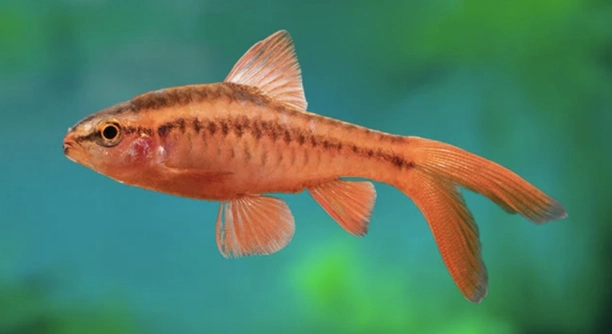
Do your cherry barbs stay still for hours, making you wonder if something might be wrong in their tank environment?
Cherry barbs often remain still for extended periods due to stress, poor water quality, low oxygen levels, illness, or sleep-like resting behavior. Environmental changes, incompatible tank mates, or lighting conditions can also contribute to their inactivity.
Identifying the specific cause helps support their well-being and create a more comfortable, active aquarium environment for your fish.
Stress from Sudden Environmental Changes
Cherry barbs are sensitive to abrupt changes in their surroundings. A shift in temperature, pH, or water hardness can cause them to shut down and stay still for hours. Even minor adjustments, like a water change or new decorations, may stress them out. This behavior is a protective response. They conserve energy and avoid drawing attention to themselves. If you recently added something new or changed the setup, it’s likely they’re reacting to that. Consistency is important. Make gradual changes when needed and always monitor their reactions afterward. This helps them stay comfortable and less prone to stress-related inactivity.
Avoid making sudden changes to their tank setup, lighting schedule, or feeding routine.
Cherry barbs thrive in stable environments. When stressed by a sudden disruption, they may go still to reduce their energy output and wait for the environment to settle. A calm tank leads to more active and confident fish.
Poor Water Quality
Cherry barbs are particularly sensitive to poor water quality. Even slight increases in ammonia or nitrite can make them inactive. You might notice them sitting near the bottom or hiding in corners. This behavior often signals distress, especially if their color fades or they stop eating. It’s essential to check your water parameters regularly using a reliable test kit. Look for ammonia, nitrites, nitrates, and pH levels. Unseen problems in the water can cause severe health issues, and inactivity is often one of the first visible signs. Regular tank maintenance helps avoid these problems and keeps your cherry barbs more active.
Poor water quality doesn’t just affect movement; it also lowers their immunity and increases the risk of infections. Perform water changes consistently, clean your filters, and avoid overfeeding, as leftover food can degrade water conditions quickly. When the water is clean and balanced, cherry barbs will swim more freely and interact more often with their tank mates. Keeping a regular schedule for water testing and maintenance makes a noticeable difference in their behavior and overall health.
Low Oxygen Levels in the Tank
Low oxygen levels make cherry barbs less active. You might see them resting near the bottom or gasping at the surface. In tanks with limited surface agitation or overstocking, oxygen can drop quickly, especially in warmer water.
To help, increase surface movement using an air stone or adjust your filter output to disturb the surface more. Warm tanks need more oxygen, so consider lowering the temperature slightly if safe for other species. Avoid overfeeding and overcrowding, as both affect water quality and oxygen levels. Watch for signs like rapid gill movement or hovering near the surface—these usually mean oxygen is low.
When oxygen is steady, cherry barbs show more activity and interact more with their environment. A well-oxygenated tank supports better breathing and helps reduce stress. Regularly check your equipment and clean any build-up that may block water flow. Oxygen is easy to overlook but vital for healthy fish behavior.
Natural Rest Periods and Sleep
Cherry barbs, like many fish, have natural rest periods. They tend to stay still during these times, often in the early morning or late at night. This is completely normal and doesn’t always mean something is wrong.
They don’t have eyelids, so it’s easy to miss that they’re resting. Often, they will hover in place or gently move their fins without swimming around. Dim lighting or a quiet environment encourages this resting behavior. If your cherry barbs become still at consistent times, and their color and appetite are normal, it’s likely just their version of sleep. Rest is essential for their health.
Avoid disturbing the tank during their rest periods. Keep lighting on a consistent timer and allow a natural day-night cycle to support their internal rhythm. This behavior helps them conserve energy and stay balanced. As long as they return to normal activity after resting, there’s no need to worry.
Illness or Injury
Cherry barbs that stay still for long periods may be sick or injured. Common signs include clamped fins, dull color, white spots, or bloating. Staying still can be a response to pain, discomfort, or weakened physical condition.
Quarantine the affected fish if possible. Treat based on visible symptoms and test water parameters.
Aggressive or Incompatible Tank Mates
Tank mates that chase or nip at cherry barbs can cause them to hide or stay still. This stress response is common in community tanks with aggressive fish or fast swimmers that intimidate smaller species.
Separate the aggressive fish or rearrange the tank layout to create more hiding spaces. Reducing stress from conflict helps cherry barbs regain confidence and move more freely. Choose peaceful species as companions to maintain a calm environment.
Cold Water Temperatures
Cold water slows down a cherry barb’s metabolism, causing them to stay still more often. Keep the tank within their ideal range of 74°F to 80°F.
Adjust your heater if temperatures drop too low. Warmer water within their preferred range helps encourage more natural movement and activity.
FAQ
Why do cherry barbs sometimes stay near the surface of the tank?
Cherry barbs may stay near the surface if they are struggling with low oxygen levels or high water temperatures. This behavior is common when the oxygen in the tank is insufficient, often due to low water movement or overcrowding. A lack of oxygen leads them to seek areas where they can access more breathable air, typically near the surface.
To prevent this, ensure the tank has proper aeration. Adding an air stone or adjusting the filter to increase surface agitation can improve oxygen levels. Also, keep the water temperature stable and within the ideal range to avoid stressing the fish.
How can I tell if my cherry barbs are sick or just resting?
Resting cherry barbs will usually remain still but still have vibrant colors and will occasionally move their fins. Sick cherry barbs, however, may show signs such as faded colors, clamped fins, erratic swimming, or staying at the bottom of the tank. If the fish seem lethargic and are not eating, it could be a sign of illness.
Monitor their behavior closely. If they continue to be still and show signs of abnormal behavior, it’s time to check the water quality and consider a health treatment.
Can cherry barbs recover from stress if I change their environment?
Yes, cherry barbs can recover from stress when placed in a more stable and comfortable environment. If the stress was caused by factors like sudden changes in water conditions, aggressive tank mates, or poor water quality, fixing these issues can help them bounce back.
It’s important to make any changes slowly. Provide hiding spots and a peaceful environment, and give them time to adjust. Stress recovery may take a few days to a week depending on the situation.
How long do cherry barbs typically stay still during their rest periods?
Cherry barbs can stay still for hours, especially during their resting periods, which usually occur at night or early morning. This behavior is perfectly normal. They may hover in place or rest near a plant or object, conserving energy.
If the fish are in a comfortable environment with stable water conditions, they will wake up and become active as the day progresses. As long as they return to their usual behavior after resting, there’s no need to be concerned.
Can cherry barbs stay still because they are bored?
While boredom is less likely to be the primary cause, cherry barbs can exhibit stillness if the tank lacks stimulation or suitable hiding places. In a tank without enough plants or structures to explore, they might be less active.
To encourage movement and reduce boredom, add plants, rocks, or decorations that provide hiding spots and areas to explore. You can also try adding compatible tank mates to keep them social and engaged.
What should I do if my cherry barbs are staying still for an extended period?
If your cherry barbs are staying still for an extended time, check the water quality, oxygen levels, and temperature. Ensure there are no signs of illness, such as discoloration, abnormal swimming patterns, or loss of appetite.
If everything seems fine and the fish continue to act lethargic, consider stress as the possible cause. Gradually adjust their environment to make it more comfortable. Also, monitor their behavior over time to see if any issues resolve themselves.
How often should I clean the tank to prevent cherry barbs from becoming inactive?
Regular cleaning is essential to maintaining water quality, which in turn prevents stress and inactivity in cherry barbs. Perform partial water changes weekly, cleaning the substrate and removing excess food or waste.
Also, clean the filter every few weeks to ensure it’s working efficiently. A clean tank promotes a healthy environment, which helps your cherry barbs stay active and engaged.
What can I do if my cherry barbs are not moving at all?
If your cherry barbs are not moving at all, first check the water conditions, including temperature, oxygen levels, and the presence of harmful chemicals like ammonia or nitrite.
If the water quality is fine and they are still not moving, check for illness. Look for external signs like swelling, lesions, or visible parasites. If any of these are present, treat the fish accordingly. If no issues are found, it may be a stress response, so create a more peaceful tank environment.
How do I know if my cherry barbs are getting enough food?
Cherry barbs are small and typically require small amounts of food several times a day. You’ll know they’re getting enough food if they actively swim to the surface or around the tank when feeding and don’t leave leftover food.
Overfeeding can lead to poor water quality, so feed them only what they can consume in a few minutes. If they’re not eating, it could indicate stress, illness, or water quality issues.
Final Thoughts
Cherry barbs are fascinating fish that can sometimes appear still for extended periods. This behavior is not always a sign of something wrong but can be linked to various factors like rest periods, low oxygen levels, or even the water temperature. They are naturally calm and enjoy spending time near plants or in areas where they feel safe. If they stay still for long stretches, it’s important to consider their environment, including water quality, oxygen levels, and tank mates, before jumping to conclusions.
Monitoring their behavior and making small adjustments in their tank setup can often lead to improved activity. If cherry barbs are staying still because of stress or poor water conditions, addressing these factors will encourage them to swim around more often. They need a peaceful environment, stable water parameters, and proper aeration to feel comfortable. Regular water changes, keeping the temperature within their preferred range, and providing plenty of hiding spots can go a long way in improving their overall well-being.
However, if stillness persists and no changes in behavior occur, it’s essential to investigate further. Illness or injury could be at play, and isolating the affected fish or treating them for potential health issues may be necessary. Always observe for signs like fading colors, lack of appetite, or abnormal swimming patterns. Cherry barbs, like all fish, need consistent care, so their health and behavior should be a priority in your aquarium maintenance routine. By keeping a close eye on their environment, you’ll help them thrive and maintain their active, vibrant personalities.

Hello,
If you enjoy the content that we create, please consider saying a "Thank You!" by leaving a tip.
Every little bit helps us continue crafting quality advice that supports the health, happiness, and well-being of pets around the world, for pets of all shapes, sizes, and species.
We really appreciate the kindness and support that you show us!