
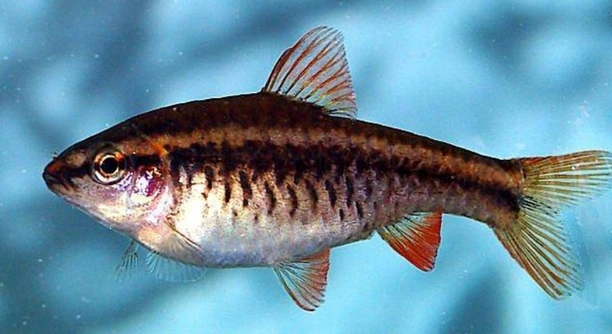
Cherry Barbs are active and curious fish that are generally easy to care for. However, there are times when they may suddenly stop eating, leaving fish owners concerned. Understanding the reasons behind this behavior is essential for proper care.
Sudden changes in eating habits in Cherry Barbs can be attributed to various factors, including stress, illness, poor water quality, or improper diet. Environmental changes, overcrowding, or incompatible tank mates can also impact their feeding patterns.
Identifying the cause of your Cherry Barb’s loss of appetite will help you address the issue and prevent it from happening again. Knowing the potential factors at play will guide you in making the right adjustments.
Stress from Tank Changes
Cherry Barbs are sensitive to changes in their environment. Even small shifts like a new filter or a change in tank layout can cause them stress. Stress often leads to loss of appetite and behavior changes. Fish are creatures of habit, and disruptions in their surroundings can make them feel insecure. If you’ve recently made changes to the tank, such as moving decorations or altering the water conditions, consider whether this could be affecting your fish.
If you notice your Cherry Barbs becoming more reclusive or acting nervously, stress might be the cause of their sudden lack of appetite. You can reduce their stress by ensuring stable water conditions and minimizing changes.
Providing a stable environment is key to maintaining the health of your Cherry Barbs. When they feel safe and secure, they are more likely to eat regularly and thrive. Keeping their space consistent helps reduce stress-related issues like loss of appetite.
Water Quality Issues
Water quality is one of the most important factors for fish health. If your Cherry Barbs are not eating, poor water quality could be the reason. High levels of ammonia, nitrites, or nitrates can make them feel unwell and unwilling to eat.
Regular water changes and testing the water for harmful substances can help ensure that your fish are living in a clean, healthy environment. When the water conditions are off, it can cause Cherry Barbs to feel stressed or sick, leading to a decrease in appetite. Proper filtration and maintaining water parameters within acceptable ranges can prevent these issues.
If water quality is the issue, your Cherry Barbs may begin eating again once the environment stabilizes. Take the necessary steps to correct any water issues and monitor their behavior. Ensuring that the water remains clean will help your Cherry Barbs return to their normal eating habits.
Illness or Injury
When Cherry Barbs suddenly stop eating, illness or injury might be the cause. They can easily fall ill due to poor water conditions or stress. If you notice other signs, such as lethargy or unusual swimming, there may be an underlying health issue.
Common illnesses that affect Cherry Barbs include ich, fin rot, and internal parasites. If your fish is suffering from any of these, they will likely refuse to eat. Checking for external signs like white spots or frayed fins can help identify the problem. It’s important to act quickly if you suspect illness, as untreated conditions can worsen.
Injuries from tank mates or decorations can also lead to a loss of appetite. If a fish is hurt, it may not feel like eating. Ensure the tank has no sharp objects that could cause harm. Regularly monitor your fish for signs of illness or injury to address any issues early and maintain their health.
Incompatible Tank Mates
Cherry Barbs can be social, but they also need compatible tank mates. If housed with aggressive or territorial fish, they may feel threatened and stop eating. The stress of defending themselves can lead to loss of appetite.
Aggressive fish, like some cichlids or bettas, might harass Cherry Barbs, making them anxious. The constant fear of being attacked can cause them to hide and avoid food. Keeping Cherry Barbs with peaceful species that won’t intimidate them can make them feel more secure and encourage normal feeding habits.
Observing your tank carefully can help identify which fish are causing stress to your Cherry Barbs. Moving the aggressive tank mates to a different aquarium or rehoming them can reduce the stress level for your Cherry Barbs. Creating a calm, peaceful environment encourages better eating and overall health.
Poor Diet
Cherry Barbs may stop eating if they aren’t getting the right nutrients. A monotonous diet lacking variety can cause them to lose interest in food. They need a balanced mix of flakes, pellets, and occasional live or frozen food to stay healthy.
If your Cherry Barbs are only fed one type of food, they may become bored and refuse to eat. Try offering different types of food to entice them back to their meals. Adding some live or frozen foods, like brine shrimp or bloodworms, can stimulate their appetite and provide variety.
A healthy, varied diet ensures that your Cherry Barbs get the nutrients they need and can help prevent loss of appetite. Changing up their meals every so often can keep them engaged and eager to eat.
Overcrowded Tank
Overcrowding in a tank can lead to a variety of problems, including stress and decreased appetite. Cherry Barbs need enough space to swim freely and establish territories. When there are too many fish in the tank, it can cause tension, which might make them stop eating.
If your tank is overcrowded, it’s a good idea to reduce the number of fish. This will help lower the stress levels and give your Cherry Barbs the space they need to feel comfortable. You can also rearrange the tank to create more hiding spots and territories.
An overcrowded tank can disrupt your fish’s feeding habits and lead to other health issues. Giving your Cherry Barbs more room to move can help them feel safe and encourage them to eat again.
Temperature Fluctuations
Cherry Barbs are sensitive to temperature changes. If the water temperature fluctuates too much, it can stress them out and cause them to stop eating. They prefer water that stays between 75-80°F (24-27°C), and sudden drops or increases can cause them to feel unwell.
If you notice your fish becoming lethargic or avoiding food, check the temperature of your aquarium. A reliable heater can help maintain a consistent temperature, preventing fluctuations that may harm your fish. Make sure your heater is functioning properly to keep the water at the right level.
Maintaining a stable temperature is essential to keeping your Cherry Barbs healthy. Any temperature extremes should be avoided to ensure that your fish feel comfortable enough to eat.
FAQ
What should I do if my Cherry Barb isn’t eating?
First, check the water quality. Ammonia, nitrite, or nitrate levels can affect their appetite. If the water is clean, ensure they are not stressed. Stress can result from recent tank changes, aggressive tank mates, or overcrowding. If none of these are the issue, consider whether they are ill. Cherry Barbs may stop eating when sick or injured. Keeping the tank environment stable and consistent is crucial. You can also try offering a different type of food to see if it sparks their interest.
How do I know if my Cherry Barb is stressed?
Cherry Barbs show stress through behaviors such as hiding, swimming erratically, or staying at the bottom of the tank. You might also notice they’re more lethargic or hesitant to come out for food. Stress is often caused by changes in the tank, such as moving decorations, a new filter, or even the introduction of new fish. Poor water quality, overcrowding, or aggressive tank mates can also contribute to stress. Once you’ve identified the cause, make the necessary changes to reduce their stress levels.
Can Cherry Barbs stop eating due to illness?
Yes, illness is a common reason for a sudden loss of appetite. Common health issues for Cherry Barbs include internal parasites, ich, or fin rot. If your Cherry Barb is also showing symptoms such as pale or frayed fins, white spots, or lethargy, it’s a good idea to quarantine the fish and treat them. You should also check for external injuries, as wounds can also result in them not eating. Always address health concerns promptly to prevent further complications.
Do Cherry Barbs need a specific water temperature?
Cherry Barbs prefer water temperatures between 75-80°F (24-27°C). If the temperature fluctuates too much, it can cause stress and reduce their appetite. Keep the water temperature stable with a reliable aquarium heater to avoid stressing the fish. Sudden changes in temperature can lead to health problems, which may make them stop eating. Make sure to regularly check the temperature to ensure it stays within their preferred range.
What can I do if my Cherry Barb won’t eat the food I’m offering?
If your Cherry Barb isn’t eating the food you’re offering, try a variety of foods. Cherry Barbs are known to enjoy a balanced diet of flakes, pellets, and occasional live or frozen foods like brine shrimp or bloodworms. Offering different food types can help spark their interest and ensure they are getting the nutrients they need. If they still refuse food, check for water quality issues or stress. These factors can impact their appetite, and addressing them might solve the problem.
Can overfeeding cause Cherry Barbs to stop eating?
Yes, overfeeding can lead to health issues and stress, which may result in your Cherry Barb losing its appetite. Uneaten food can pollute the water, leading to poor water quality and stress. It can also cause digestive problems for your fish. Always feed your Cherry Barbs small amounts of food, only what they can eat in a few minutes. Remove any uneaten food promptly to maintain clean water and avoid overfeeding.
How can I prevent my Cherry Barbs from getting sick?
Maintaining good water quality is key to preventing illness in Cherry Barbs. Perform regular water changes, use a good filter, and monitor water parameters for ammonia, nitrite, and nitrate levels. Avoid overcrowding the tank and ensure that tank mates are compatible. Keep an eye on your Cherry Barbs for any signs of illness, such as changes in swimming behavior, appearance, or appetite. Providing a balanced diet of quality food will also strengthen their immune system and help them stay healthy.
Can my Cherry Barbs eat only one type of food?
While Cherry Barbs can survive on a single type of food, a varied diet is crucial for their health. Relying on one food type, such as just flakes, may cause nutritional imbalances. Offering a mix of high-quality flakes, pellets, and occasional live or frozen food will provide essential vitamins and nutrients. This variety ensures that your Cherry Barbs receive a well-rounded diet and are more likely to maintain a healthy appetite.
Why is my Cherry Barb staying at the bottom of the tank?
If your Cherry Barb is staying at the bottom of the tank and not eating, it could be a sign of stress, illness, or poor water quality. Check the water parameters, including ammonia, nitrites, and nitrates, to ensure the water is healthy. If the water is fine, monitor for signs of illness such as abnormal swimming behavior or physical symptoms. If none of these factors are present, overcrowding or aggression from other fish could be causing stress. Create a more peaceful environment by removing any aggressive tank mates.
Can my Cherry Barb eat live plants?
Cherry Barbs are known to nibble on plants, but they are not herbivores. They may occasionally eat some softer plants, especially if they are lacking other food sources. However, they should not rely on live plants for sustenance. Providing a balanced diet with enough protein and vegetables is important to ensure they don’t harm your plants in search of food. If you want to prevent plant damage, consider adding plant species that are tougher and less appealing to your Cherry Barbs.
How often should I feed my Cherry Barbs?
Feed your Cherry Barbs once or twice a day, offering small amounts of food that they can consume in about 2-3 minutes. Overfeeding can lead to water quality issues and stress, which can impact their appetite. Monitor their eating habits and adjust the quantity if necessary. Regular feeding routines help maintain their health and can ensure they stay active and engaged with their food.
Final Thoughts
Cherry Barbs are generally hardy fish, but they can face occasional health issues, like loss of appetite, that require attention. The key to keeping them happy and healthy is maintaining a stable tank environment. Regular water changes, proper filtration, and careful monitoring of temperature are essential. Small adjustments in their care can prevent many common problems and help encourage them to eat when they’re having trouble. Additionally, providing a varied diet and ensuring they have enough space can reduce stress and improve their overall well-being.
One of the most important factors in preventing Cherry Barbs from stopping eating is to watch their behavior closely. If they suddenly refuse food, check the water quality first. Poor water conditions are often a major reason for a loss of appetite. Stress from overcrowding, aggressive tank mates, or even sudden changes in the tank layout can also be triggers. Ensuring that Cherry Barbs feel safe in their environment will reduce the chances of them becoming stressed and refusing food. Consistently checking the water parameters and adjusting the tank setup as needed can help you avoid these issues.
Taking care of Cherry Barbs is not difficult, but it does require attention to detail. By ensuring that their needs are met, from water quality to diet, you can keep them healthy and thriving. Remember that a varied diet, stable temperature, and stress-free environment are key to keeping your Cherry Barbs active and eating. If problems persist, consult with an aquarium professional to address any potential underlying health issues. With the right care, your Cherry Barbs will be able to enjoy a long and healthy life.

Hello,
If you enjoy the content that we create, please consider saying a "Thank You!" by leaving a tip.
Every little bit helps us continue crafting quality advice that supports the health, happiness, and well-being of pets around the world, for pets of all shapes, sizes, and species.
We really appreciate the kindness and support that you show us!