
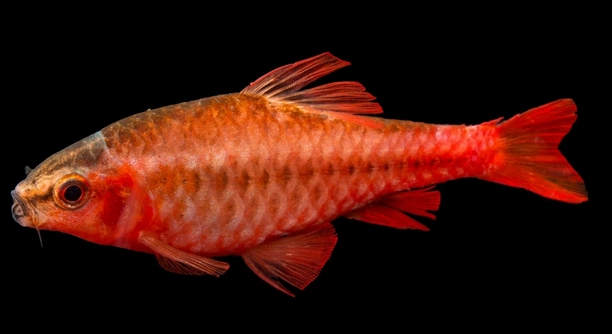
Cherry Barbs are known for their vibrant colors and lively behavior. However, if you’ve observed them flashing against aquarium decor, you might wonder why they engage in this unusual action. This behavior can often be perplexing.
Flashing behavior in Cherry Barbs is commonly linked to stress, skin irritation, or parasites. These fish may rub against objects to relieve discomfort caused by physical irritation, water quality issues, or the presence of external parasites such as ich.
Understanding the causes of flashing can help improve the health of your Cherry Barbs. By addressing factors like water quality and stressors, you can create a more comfortable environment for them.
Common Causes of Flashing in Cherry Barbs
Flashing can happen when Cherry Barbs experience irritation or stress. Poor water quality is one of the leading causes of this behavior. Ammonia or nitrite levels that are too high can harm their delicate skin, prompting them to rub against objects. Inadequate filtration or overfeeding can also contribute to poor water quality. Low oxygen levels can also cause discomfort, making Cherry Barbs seek relief through flashing. Another possible factor is the presence of parasites, such as ich. These parasites attach to the fish’s body, causing itching and irritation. If left untreated, parasites can lead to further health problems. Other environmental stressors, like overcrowding or incompatible tank mates, may also contribute to this behavior. Cherry Barbs thrive in a calm, clean environment, and when their living conditions are suboptimal, they may resort to flashing to cope.
Stress from poor water conditions can easily be avoided with regular tank maintenance. Checking ammonia, nitrite, and nitrate levels and ensuring proper filtration can keep your fish healthy.
Temperature fluctuations can also stress Cherry Barbs. These fish prefer stable temperatures between 74°F and 79°F. If your aquarium experiences sudden changes, whether from lighting or external weather conditions, Cherry Barbs may react with flashing. Another stressor could be aggression from other fish. Tank mates that are too dominant or territorial may cause anxiety, pushing Cherry Barbs to seek comfort by rubbing against objects. To prevent this, carefully select compatible species for your tank and ensure that there’s enough space for each fish.
How to Prevent Flashing in Cherry Barbs
Maintaining high water quality is crucial to avoid flashing. Regular water changes and using a good filtration system can significantly reduce the chances of stress-induced behavior.
One of the best ways to prevent flashing in Cherry Barbs is by keeping the water clean and well-filtered. Ensuring that the tank is not overcrowded will also minimize stress. Moreover, avoid sudden changes in water temperature. Use a heater to maintain the desired range, and always check water parameters regularly to keep ammonia and nitrate levels in check. If you spot flashing behavior early, it’s essential to take action quickly. Treat any signs of parasites immediately with appropriate medications, and make sure your fish have enough hiding spots. This will reduce the likelihood of them feeling threatened by tank mates.
Water Quality and Its Impact on Flashing
Maintaining proper water quality is essential in preventing flashing. High levels of ammonia, nitrites, and nitrates can cause irritation to Cherry Barbs, leading them to rub against objects. Regular water changes help ensure that harmful substances do not build up.
Cherry Barbs are particularly sensitive to water quality. Ammonia poisoning can cause skin damage, making the fish feel the need to scrape against surfaces. Nitrites, although less harmful than ammonia, can still stress them and contribute to flashing. Nitrates are a bit less toxic but can cause long-term health issues when they accumulate in the tank. To keep the water safe, test it regularly with a reliable water testing kit. The goal is to keep ammonia and nitrite levels at 0 ppm, while nitrates should not exceed 20 ppm in a well-maintained tank. Proper filtration and regular maintenance, including partial water changes, are essential.
Good water quality also supports Cherry Barbs’ immune systems, making them more resilient to diseases and parasites. Clean water reduces the risk of skin infections that might lead to flashing behavior. Investing time in maintaining a healthy environment can go a long way in keeping your fish comfortable and stress-free.
Parasites and Flashing Behavior
Parasites are another common cause of flashing. Fish that are infected often try to rub against decor in an attempt to relieve the itching caused by parasites like Ich or Velvet. Early detection is key.
Parasites like Ich (white spot disease) cause visible symptoms such as white cysts on the skin, fins, and gills. Velvet parasites create a gold or yellow dust-like appearance on the body of the fish. Both conditions make the fish feel uncomfortable, leading them to rub their bodies against surfaces to dislodge the parasites. To prevent these diseases, quarantine new fish before introducing them to your tank, as this is often how parasites are introduced.
Treating parasites requires fast action. A medicated bath or treatment can be used to kill parasites. Raising the water temperature slightly can speed up the life cycle of many parasites, making treatments more effective. Make sure to remove any medication after the treatment is complete, as prolonged use can harm your fish and the beneficial bacteria in your tank.
Stress from Inadequate Space
Cherry Barbs require enough space to thrive. If your tank is too small or overcrowded, they can feel stressed and may start flashing. Providing adequate room helps reduce this behavior.
A cramped tank can create a hostile environment, leading to aggression and discomfort. Flashing can result from this stress. Ensure your tank size is suitable for the number of fish. A good rule is 1 inch of fish per gallon, but providing more space is always better.
A well-planned tank with proper space allows Cherry Barbs to swim freely and establish territories. This reduces their need to flash as a response to stress.
Temperature Fluctuations and Their Effect
Sudden changes in water temperature can easily stress Cherry Barbs, causing them to react by flashing. Stable temperatures are key to their comfort. Keep your tank in the recommended range of 74°F to 79°F.
Temperature fluctuations can disrupt a fish’s metabolism and immune system. Cherry Barbs may become more susceptible to stress and illness when exposed to such conditions. This, in turn, could lead to flashing. Using a reliable aquarium heater helps maintain consistent temperatures and prevent temperature-induced stress. Always check the water temperature regularly.
Tank Maintenance and Flashing Prevention
Regular tank maintenance is vital in preventing flashing. Clean the tank, replace the water, and test water quality frequently to ensure your fish stay healthy.
Tank maintenance not only helps control the environment but also promotes overall health. Keeping the tank clean reduces the likelihood of parasites, which can irritate the skin and trigger flashing. A stable, well-maintained tank prevents stress and encourages natural behaviors in Cherry Barbs.
FAQ
What is flashing behavior in Cherry Barbs?
Flashing behavior in Cherry Barbs refers to when the fish rubs or scratches its body against objects in the tank. This behavior can be a sign of discomfort, often caused by stress, parasites, or irritation from water quality issues. It is a natural response when they seek relief from physical discomfort, and it can indicate underlying health concerns.
Why are my Cherry Barbs flashing against the aquarium decor?
Flashing can occur when Cherry Barbs feel irritation or discomfort. This could be due to poor water conditions, skin infections, or the presence of external parasites like Ich. Overcrowding, stress, or temperature fluctuations can also cause this behavior. It’s important to investigate water quality and the overall tank environment to address the root cause.
How can I stop my Cherry Barbs from flashing?
The first step in stopping flashing is to address the underlying issue. Regular water changes and ensuring the water quality is optimal can help prevent irritation. If parasites are present, treat the tank with appropriate medication. Reducing stress factors, such as overcrowding or aggressive tank mates, can also help. Make sure the tank has enough space and hiding places for the fish to feel secure.
Are flashing and skin irritation the same thing?
While they are related, flashing and skin irritation are not exactly the same. Flashing is a behavior in which the fish rubs against objects, whereas skin irritation refers to discomfort caused by external factors like parasites, poor water quality, or physical damage. Flashing can be a response to irritation, but the two are connected, not identical.
Can flashing be a sign of a parasite infection?
Yes, flashing is often a sign of a parasite infection. External parasites like Ich or Velvet irritate the fish’s skin, leading them to scratch or rub against objects in an attempt to relieve the discomfort. If you notice flashing behavior along with visible symptoms like white spots or gold dust on your fish, it’s likely a parasite infection.
How do I treat parasites in my Cherry Barbs?
If parasites are suspected, it’s essential to isolate affected fish and treat them with a suitable medication. Medications like copper-based treatments or formalin can effectively combat parasites. Raising the tank’s temperature slightly can speed up the life cycle of the parasites, making treatments more effective. Always follow the dosage instructions carefully and remove any remaining medication once treatment is complete.
Can Cherry Barbs get stressed from tank mates?
Yes, Cherry Barbs can experience stress from aggressive or incompatible tank mates. Fish that are too territorial or dominant can cause anxiety, leading to flashing behavior. It’s important to choose peaceful species that will not harass your Cherry Barbs. Keeping a peaceful and well-balanced community tank helps reduce stress for all inhabitants.
How often should I change the water to prevent flashing?
To keep the water clean and prevent flashing, aim for a 25-30% water change every week. Regular water changes help maintain optimal water parameters and reduce the buildup of harmful substances like ammonia, nitrites, and nitrates. Testing the water before each change can help you monitor the water quality and ensure it’s within safe levels.
Does water temperature affect flashing in Cherry Barbs?
Yes, water temperature plays a significant role in the behavior of Cherry Barbs. These fish prefer stable temperatures between 74°F and 79°F. Temperature fluctuations can cause stress, which may lead to flashing. Use a heater to maintain consistent water temperature and check it regularly to ensure it stays within the ideal range for your fish.
Can overcrowding lead to flashing in Cherry Barbs?
Overcrowding can increase stress and lead to flashing in Cherry Barbs. When there are too many fish in the tank, they feel cramped and unable to establish their own space, which can cause anxiety. Ensure your tank is large enough to accommodate your fish and that each one has enough room to swim comfortably.
Are there any specific signs that I should look for in addition to flashing?
Yes, if your Cherry Barbs are flashing, it’s important to check for additional signs of distress or illness. These can include visible white spots (Ich), gold dust (Velvet), changes in behavior like lethargy, loss of appetite, or abnormal swimming patterns. Examining the fish closely will help you identify the problem and address it promptly.
How can I improve the overall health of my Cherry Barbs?
Maintaining a clean and stable environment is key to the health of your Cherry Barbs. Regular water changes, proper filtration, and maintaining the correct water temperature are essential. Provide a balanced diet of high-quality fish food and ensure your tank is not overcrowded. Regularly check for signs of illness or stress, and address any issues immediately.
Is flashing in Cherry Barbs always caused by disease?
No, flashing is not always linked to disease. While parasites are a common cause, flashing can also result from stress, poor water quality, or other environmental factors. It’s important to consider the full range of potential causes and address the fish’s needs to prevent further health problems.
Can flashing in Cherry Barbs be prevented completely?
While flashing can sometimes be prevented, it’s not always possible to eliminate the behavior entirely. However, by maintaining a clean tank, ensuring proper water conditions, reducing stress, and avoiding overcrowding, you can minimize the likelihood of flashing. Early detection and treatment of parasites and other health issues also play a key role in prevention.
Should I quarantine new fish to prevent flashing in my Cherry Barbs?
Yes, quarantining new fish is a good practice to prevent the introduction of parasites and diseases into your aquarium. New fish can carry parasites or bacteria that may affect your existing fish. By keeping new arrivals in a separate quarantine tank for a few weeks, you reduce the risk of infection and protect the health of your Cherry Barbs.
Is flashing in Cherry Barbs a sign that something is wrong with my tank?
Flashing is often a sign that something in your tank environment is causing distress. It may indicate poor water quality, parasites, or stress from overcrowding or incompatible tank mates. By addressing these potential issues, you can help your Cherry Barbs feel more comfortable and reduce the flashing behavior.
Final Thoughts
Flashing in Cherry Barbs is a behavior that should not be ignored. While it can sometimes be a natural reaction to mild discomfort, it is often a sign that something in the tank is not quite right. Whether it’s poor water quality, stress, or an underlying health issue, flashing is your fish’s way of showing that they are not feeling their best. Monitoring your tank regularly and paying attention to any changes in behavior can help you identify potential problems early, allowing for quicker and more effective solutions.
Addressing the cause of flashing involves taking a comprehensive approach. First, focus on maintaining optimal water conditions. Regular water changes, proper filtration, and testing water parameters will help keep your tank environment stable. The ideal temperature range, appropriate pH levels, and low levels of ammonia, nitrites, and nitrates are essential for your fish’s health. Additionally, ensure that your tank is not overcrowded and that your Cherry Barbs have enough space to swim freely. Stress from overcrowding or incompatible tank mates can lead to flashing, so it’s important to provide a peaceful and secure environment.
When flashing is caused by parasites, immediate action is necessary. Treating the tank with the appropriate medication and isolating infected fish can help prevent the spread of illness. Keep an eye out for other signs of disease, such as lesions, abnormal swimming patterns, or changes in appetite. In some cases, flashing might be a one-time occurrence due to temporary stress, but if the behavior continues, it’s crucial to address the underlying issue to prevent further complications. By maintaining a clean and stable environment and staying attentive to your fish’s needs, you can reduce the chances of flashing and ensure the long-term health of your Cherry Barbs.

Hello,
If you enjoy the content that we create, please consider saying a "Thank You!" by leaving a tip.
Every little bit helps us continue crafting quality advice that supports the health, happiness, and well-being of pets around the world, for pets of all shapes, sizes, and species.
We really appreciate the kindness and support that you show us!