
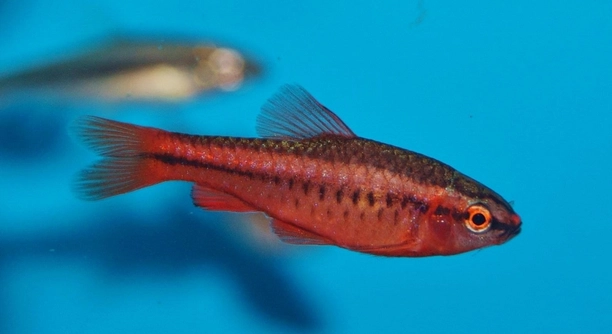
Cherry barbs are a popular fish for many aquariums, but you may notice they sometimes refuse to school. If you’re experiencing this, it can be frustrating and confusing. Understanding why they act this way can help improve their behavior.
Cherry barbs may refuse to school due to factors like stress, improper tank conditions, or even natural behavior. They are more likely to remain solitary or disperse if they feel threatened or if their environment is not ideal.
There are several reasons why your cherry barbs may act this way, and knowing what they are can help you create a better space for them. Understanding the causes behind this behavior could improve their social interactions.
Stress and Poor Tank Conditions
Cherry barbs, like all fish, are sensitive to their environment. If the water quality isn’t up to standard, they can become stressed and may avoid schooling. Factors like improper water temperature, high levels of ammonia, or low oxygen can make them uneasy. When the water conditions aren’t ideal, cherry barbs may swim separately or hide more often.
Stress from overcrowding or aggressive tank mates can also cause them to isolate themselves. A peaceful environment is crucial for encouraging your cherry barbs to group together. They feel safer and more comfortable when there’s less disturbance in the tank.
Maintaining stable water conditions and ensuring the tank is neither too crowded nor too noisy will help your cherry barbs feel secure. A well-kept aquarium with regular water changes will likely encourage schooling behavior, as fish naturally seek companionship in a safe space.
Tank Size and Space
The size of your tank plays a significant role in how cherry barbs behave. When fish are confined to small spaces, they may not have enough room to form a group.
In tanks that are too small, cherry barbs may feel restricted, leading to isolation rather than schooling. Larger tanks provide more space for swimming and hiding, which encourages them to socialize with their own kind. With proper tank size, fish can avoid feeling crowded or stressed. Fish thrive when they have plenty of room to move around freely.
Providing enough space for your cherry barbs to swim comfortably will help them feel more secure and less likely to hide. A larger tank allows the fish to form groups, as they will have a chance to interact and explore without being disturbed.
Water Temperature and pH Levels
Water temperature plays a big role in the behavior of cherry barbs. They prefer a range between 74°F to 79°F. If the water is too hot or too cold, it can make them feel stressed and unwilling to school.
A stable water temperature is essential to avoid causing discomfort. Sudden temperature shifts or extreme heat can cause cherry barbs to become anxious and scatter. Additionally, pH levels can affect their behavior. Cherry barbs prefer a neutral to slightly acidic pH. Water that is too alkaline can create an uncomfortable environment.
Keeping the water at a steady, comfortable temperature and ensuring the pH is balanced will help your cherry barbs feel more secure. Healthy fish are more likely to school and interact when they’re not stressed by fluctuations in water conditions.
Diet and Feeding Practices
Feeding habits can also impact how cherry barbs behave. If they’re not getting the right nutrition, they might not have the energy to school. A poor diet can lead to lethargy or even illness, causing them to isolate themselves.
Proper feeding will help your cherry barbs stay active and healthy. High-quality fish flakes, supplemented with occasional live or frozen foods, can improve their overall health and energy levels. When fish are well-fed and healthy, they’re more likely to swim in groups and display natural behavior.
Ensure you’re feeding your cherry barbs an appropriate and varied diet. This helps not only with schooling behavior but also with their long-term well-being. Fish that are underfed or on a monotonous diet may become more withdrawn or less social.
Tank Mates and Compatibility
Tank mates can influence how cherry barbs behave. Aggressive or overly active fish may intimidate them, causing them to avoid schooling. It’s important to choose peaceful fish that won’t threaten the cherry barbs.
Cherry barbs thrive with other calm fish. When kept with peaceful companions, they feel safer and are more likely to group together. Avoid keeping them with fin-nippers or overly territorial species, as this could lead to stress and isolation.
Ensure your tank has only compatible species to promote a harmonious environment where cherry barbs feel comfortable swimming in schools.
Natural Behavior and Personality
Cherry barbs have unique personalities. While they are generally social fish, some may naturally prefer to swim alone or in small groups, regardless of tank conditions.
Some cherry barbs are more solitary by nature, and forcing them to school may cause stress. Understanding their natural behavior can help you adjust expectations. While schooling is common, individual preferences can affect how they interact with others in the tank.
Recognize that some cherry barbs might never school in the way you expect, even under the best conditions.
FAQ
Why do cherry barbs swim alone?
Cherry barbs may swim alone for a variety of reasons. Stress from poor water conditions, aggressive tank mates, or overcrowding can lead to solitary behavior. Some cherry barbs also have more independent personalities, making them less inclined to school. Additionally, if the fish feel threatened or the environment isn’t ideal, they may isolate themselves for protection.
Can cherry barbs school with other fish?
Yes, cherry barbs can school with other peaceful species. They generally do well with other non-aggressive fish that share similar water preferences. However, it’s important to avoid fish that are overly active or territorial. Fish like neon tetras, rasboras, or small danios make good companions.
How can I encourage cherry barbs to school?
Creating a calm, peaceful environment with proper tank conditions is key. Ensure the water temperature is stable between 74°F and 79°F, and maintain a neutral pH. Providing enough space and keeping the tank well-maintained with regular water changes will help. Adding several cherry barbs at once can also encourage them to form groups.
What tank size do cherry barbs need?
Cherry barbs do well in tanks that are at least 20 gallons. While they are small fish, they need enough space to swim freely and feel safe. A larger tank also reduces the chance of overcrowding, which can lead to stress and solitary behavior.
How many cherry barbs should I keep together?
It’s best to keep at least six cherry barbs together. Keeping them in a group allows them to feel secure and encourages natural schooling behavior. A larger group can help create a more social and active environment. However, make sure your tank is large enough to comfortably house them.
Can water hardness affect cherry barbs’ behavior?
Yes, water hardness can impact cherry barbs. They prefer moderately soft to slightly hard water. Extremely hard water may cause stress, which could prevent them from schooling. Regular testing of water hardness and making adjustments if needed will help maintain a healthy environment for your cherry barbs.
Do cherry barbs need a specific type of tank decoration?
While cherry barbs don’t require specific decorations, they do appreciate plants and hiding spots. Providing plants, rocks, or driftwood creates a more natural environment where they can feel secure. This can encourage social behavior, as they are less likely to hide or scatter if they feel safe in their surroundings.
How often should I feed cherry barbs?
Cherry barbs should be fed small amounts two to three times a day. Overfeeding can lead to poor water quality and stress. Providing a balanced diet with high-quality flakes or pellets, supplemented with occasional live or frozen foods, will help keep them healthy and active.
Do cherry barbs get along with other barbs?
Cherry barbs can get along with other barbs, but it depends on the species. They are peaceful compared to more aggressive barbs like tiger barbs. If kept with other similar species of barbs, ensure they are non-territorial to avoid aggression. Keeping a balance is key to maintaining harmony.
How do I know if my cherry barbs are stressed?
Signs of stress in cherry barbs include lethargy, loss of appetite, hiding, and irregular swimming. They may also develop faded colors or show rapid gill movement. If you notice these signs, it’s important to check water quality, temperature, and the tank’s overall environment to address potential stress factors.
Can cherry barbs live with shrimp?
Yes, cherry barbs can live with shrimp, particularly species like cherry shrimp. However, be cautious, as cherry barbs may nibble on very small shrimp or baby shrimp, especially if they’re hungry. Ensuring the shrimp are large enough and providing plenty of hiding spots can help minimize this risk.
Are cherry barbs easy to breed?
Breeding cherry barbs is relatively easy compared to other fish. They will spawn in a well-maintained tank with stable water conditions. Providing plants and a separate breeding area can encourage them to lay eggs. After spawning, it’s best to remove the adult fish, as they may eat the eggs.
How long do cherry barbs live?
Cherry barbs typically live for 3 to 5 years when properly cared for. The lifespan can vary based on factors like water quality, diet, and tank conditions. Keeping them in a stress-free environment and providing the right care will help them live a long and healthy life.
Can cherry barbs tolerate low light?
Yes, cherry barbs can tolerate low light, but they will thrive in a tank with moderate lighting. Plants in the tank should still receive enough light for photosynthesis, which in turn helps maintain a healthy environment for the fish. Too much direct light can cause algae growth, so balance is key.
What is the best temperature for cherry barbs?
Cherry barbs prefer a temperature range between 74°F and 79°F (23°C to 26°C). It’s important to keep the temperature consistent to prevent stress. Too high or too low temperatures can affect their health and behavior, causing them to avoid schooling or becoming lethargic.
How can I tell if my cherry barbs are healthy?
Healthy cherry barbs are active, swim freely, and have vibrant colors. They should be eating well and showing natural behaviors like schooling or interacting with other fish. Check for clear, unclouded eyes and intact fins, as any damage could indicate a problem with their health.
Final Thoughts
Cherry barbs can be a wonderful addition to any aquarium, but it’s important to understand their behavior to keep them happy and healthy. If your cherry barbs are not schooling, there may be several reasons behind this. The most common factors are water quality, temperature, tank size, and tank mates. By addressing these areas, you can improve the chances of seeing your cherry barbs swim together in a group. Providing a peaceful environment, stable water conditions, and enough space will help them feel secure and encourage more natural behavior.
Understanding the individual needs of your fish is crucial. Some cherry barbs may have a more solitary nature, while others may naturally prefer to school. Even under the best conditions, some cherry barbs may still choose to swim alone. This doesn’t necessarily mean there’s something wrong with them, but rather that they have different preferences. As with any species, it’s essential to respect their individual behaviors and adapt your aquarium environment to suit their needs. Not every cherry barb will act the same, but providing a stable, comfortable habitat for all of them can go a long way in promoting social behavior.
Ultimately, maintaining a healthy aquarium with consistent water changes, a balanced diet, and appropriate tank mates will make a big difference in the behavior of your cherry barbs. Though schooling is common, it’s important to remember that it’s not guaranteed. Focus on creating the best environment possible, and over time, you may notice your cherry barbs becoming more comfortable and interacting with each other. Even if they don’t school all the time, they’ll still thrive and add beauty to your tank.

Hello,
If you enjoy the content that we create, please consider saying a "Thank You!" by leaving a tip.
Every little bit helps us continue crafting quality advice that supports the health, happiness, and well-being of pets around the world, for pets of all shapes, sizes, and species.
We really appreciate the kindness and support that you show us!