
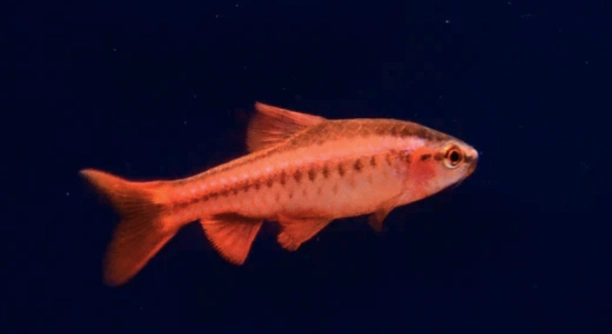
Are your cherry barbs not showing their vibrant colors? Many fish owners notice this issue, especially when their fish seem to lack the expected brightness in their markings. Understanding the possible causes can help bring those colors back.
Cherry barbs typically lose their color due to stress, poor water quality, or incompatible tankmates. Other factors like diet, lighting, and water temperature also play a role in their overall health and appearance. Identifying and correcting these issues can help.
The good news is that small changes to their environment can bring noticeable improvements. Keep reading to learn how to make your cherry barbs feel more comfortable and vibrant in their tank.
Stress and Overcrowding Can Affect Color
Stress is one of the main reasons why your cherry barbs might not show their bright colors. These fish are sensitive to changes in their environment, and any form of stress can lead to dullness in their appearance. Factors like overcrowding, sudden changes in water parameters, or being harassed by other fish can easily cause your cherry barbs to feel anxious. When they’re stressed, their natural colors tend to fade, making them appear less vibrant.
Overcrowding your aquarium is a common issue, especially if the tank isn’t large enough for the number of fish. Cherry barbs need ample space to swim freely and maintain their health. In a crowded tank, they may not be able to establish territories, which can increase stress levels.
Make sure the tank has enough room for all your fish to feel comfortable. Providing proper hiding spots and ensuring no aggressive tankmates will help reduce stress. Keeping their environment stable will encourage cherry barbs to regain their vibrant hues.
Poor Water Quality and Filtration
Water quality is another important factor that can affect your cherry barbs’ colors. These fish are sensitive to toxins like ammonia, nitrites, and nitrates. A buildup of these harmful chemicals can stress the fish and cause them to lose their vibrant colors. Poor filtration or irregular water changes may lead to a toxic environment, making it harder for your fish to thrive.
The key to healthy cherry barbs is maintaining clean water. Make sure your tank has a reliable filtration system, and always test the water regularly for harmful substances. Proper filtration ensures that excess waste and chemicals are removed, keeping your fish in a safe and healthy environment.
Regular water changes also help keep toxins at bay. You should aim to replace about 25% of the water every two weeks. This simple practice can go a long way in maintaining your fish’s health and restoring their natural beauty.
Lighting and Its Impact on Color
Proper lighting plays a significant role in how your cherry barbs look. Too much or too little light can affect their coloration. If the tank is too dim, their natural colors may not fully show, making them appear dull. On the other hand, excessive lighting can cause stress and disrupt their sleep cycle.
Cherry barbs typically thrive in soft, medium lighting. Bright lights can overstimulate them, leading to stress. If your aquarium has intense lighting, try dimming it or using a timer to ensure they get periods of darkness, similar to their natural habitat. The right balance will keep them calm and allow their colors to shine.
Adding plants to the tank will help diffuse the light and provide some shaded areas for the fish. This will help simulate a more natural environment and give your cherry barbs the chance to rest in dimmer areas when needed.
Temperature Fluctuations and Stress
Temperature changes are another factor that can lead to a loss of color in cherry barbs. These fish are sensitive to rapid shifts in water temperature. If the water is too cold or too warm, their metabolism can be affected, leading to duller colors.
Cherry barbs prefer a consistent water temperature between 72°F and 80°F (22°C to 27°C). Sudden temperature changes, such as from a heater malfunction or cold drafts, can stress the fish, causing them to lose their color. Keeping the temperature stable is key to maintaining the vibrancy of your fish.
Investing in a good aquarium heater with a thermometer can help maintain a consistent temperature. Avoid placing the tank in areas with temperature fluctuations, like near windows or air conditioners. A stable environment is crucial for your fish’s health and appearance.
Diet and Its Role in Color
The right diet is essential for maintaining vibrant colors in cherry barbs. If they aren’t receiving the proper nutrients, their colors may fade. A poor diet can also weaken their immune system, making them more prone to stress.
A balanced diet rich in vitamins, minerals, and proteins helps support their health and coloration. Offer high-quality flake food, frozen or live foods like bloodworms or brine shrimp, and occasionally, plant matter. A varied diet ensures they get all the nutrients needed to stay healthy and colorful.
Tankmates and Compatibility
Aggressive or incompatible tankmates can stress your cherry barbs and cause them to lose their colors. It’s important to choose peaceful tankmates that won’t chase or harass your fish. Cherry barbs do well with other peaceful species, such as tetras or rasboras.
Ensure your tank is stocked with compatible species and avoid keeping them with overly territorial fish. Cherry barbs thrive in a calm, stress-free environment where they can swim comfortably. Keeping peaceful community fish together helps prevent unnecessary stress, allowing your cherry barbs to maintain their full color potential.
Breeding Conditions
Breeding can sometimes trigger changes in the coloration of cherry barbs. Male cherry barbs, in particular, tend to show off brighter colors during mating season. If breeding conditions are not ideal, your fish may not show their best hues.
To encourage breeding, make sure the water parameters are optimal. Slightly cooler water temperatures, good filtration, and plenty of plants for hiding are necessary for successful breeding. Breeding setups can lead to color changes, but it’s important to not stress the fish, as that can negatively impact their appearance.
FAQ
Why are my cherry barbs not showing their full color?
There are several reasons why your cherry barbs might not be showing their bright colors. Stress is the most common factor, which can be caused by overcrowding, aggressive tankmates, poor water conditions, or sudden changes in their environment. If they’re stressed, they will lose their vibrant markings and appear dull. Other reasons can include poor diet, inadequate lighting, temperature fluctuations, or not having enough space to swim freely. Identifying and correcting these issues can help your cherry barbs regain their natural colors.
Can I do anything to encourage my cherry barbs to show more color?
Yes, creating the right environment and conditions is key to bringing out their colors. First, ensure the water quality is optimal, with a stable temperature, proper filtration, and regular water changes. Adding plenty of plants to the tank will help them feel secure and offer hiding spots. A well-balanced diet, with foods rich in nutrients, also promotes healthy coloration. Adjusting lighting to avoid harsh or excessive brightness is another important factor. Lastly, minimizing stress by selecting peaceful tankmates and avoiding overcrowding will make a significant difference.
What is the ideal temperature for cherry barbs to show their best colors?
Cherry barbs thrive in water temperatures between 72°F and 80°F (22°C to 27°C). A consistent temperature within this range is essential for maintaining their health and vibrant colors. Sudden drops or increases in temperature can stress them and cause their colors to fade. Use a reliable aquarium heater with a thermometer to monitor the water temperature closely. This ensures that your cherry barbs stay comfortable and vibrant.
Can cherry barbs lose their color as they age?
Yes, it is possible for cherry barbs to lose some of their color as they age, especially if they’re not in optimal conditions. As they mature, their colors may naturally dull, but this is often exacerbated by stress, poor water quality, or inadequate lighting. Regular care, including maintaining water quality, providing proper nutrition, and keeping them in a calm, peaceful environment, can help preserve their vibrant colors for a longer period. Keep in mind that healthy, stress-free fish generally retain their colors well into adulthood.
Are cherry barbs finicky about their water conditions?
Cherry barbs are not the most finicky fish but they do prefer stable water conditions. They are sensitive to poor water quality, so maintaining clean, filtered water is essential. Regular water changes and monitoring levels of ammonia, nitrites, and nitrates can help ensure their environment stays safe. They also prefer soft to slightly hard water with a pH range between 6.0 and 7.5. Providing consistent conditions will help your cherry barbs stay healthy and colorful.
Can cherry barbs live with other fish, or should they be kept alone?
Cherry barbs are peaceful and generally get along well with other community fish. They are best kept with similar peaceful species like tetras, rasboras, or other small, non-aggressive fish. Avoid keeping them with fin-nipping or aggressive species, as they can become stressed and lose their color. Ensuring the tank is well-spaced and that there is plenty of room for all fish to swim will keep aggression to a minimum. With the right tankmates, cherry barbs can thrive in a peaceful community tank.
Do cherry barbs need a lot of space to thrive?
While cherry barbs are small, they do need enough space to swim and explore. Keeping them in a tank that is too small can increase stress, especially if they’re kept in large numbers. For a small group of cherry barbs, a tank size of at least 20 gallons is recommended. Larger tanks allow for more room for swimming and help avoid overcrowding. A spacious environment also encourages natural behaviors and promotes healthier, more colorful fish.
Do I need to use a specific type of filter for cherry barbs?
Cherry barbs do best in tanks with gentle filtration. While they aren’t particularly sensitive to the strength of the filter, a high-flow filter can create stress, especially for smaller fish like cherry barbs. A filter that provides adequate biological, mechanical, and chemical filtration is ideal, but make sure it’s not too strong. In tanks with a gentle filter, cherry barbs will feel more comfortable and be less likely to become stressed or overwhelmed by fast-moving water currents.
How can I tell if my cherry barbs are stressed?
Stressed cherry barbs can display a variety of symptoms, including faded colors, erratic swimming, and hiding more than usual. They may also show signs of aggression or become more lethargic. Stressed fish may also lose their appetite or swim in circles. If you notice these signs, it’s a good indication that something in their environment is off. Identifying the cause, such as poor water quality, overcrowding, or aggressive tankmates, and addressing it promptly can help reduce stress and restore their vibrant colors.
Is it okay to breed cherry barbs in my aquarium?
Yes, cherry barbs can be bred in a home aquarium. However, creating the right conditions for breeding is important. Cherry barbs typically breed in slightly cooler water temperatures, around 72°F to 75°F. Providing plenty of plants and hiding spots for the fry is also crucial. If you’re aiming to breed them, make sure the water is clean and well-filtered, and maintain a peaceful environment to reduce stress on the fish. Be aware that breeding may change the males’ coloration, with brighter colors showing during mating displays.
What foods can I feed cherry barbs to improve their colors?
To improve and maintain your cherry barbs’ colors, feed them a varied diet. High-quality flake food should be the base of their diet, along with occasional live or frozen foods like bloodworms, brine shrimp, and daphnia. Plant matter, such as blanched spinach or algae wafers, can also be included. Offering a mix of foods ensures that they get all the nutrients necessary for good health and bright coloration.
Final Thoughts
In conclusion, there are several factors that can impact the color of your cherry barbs. Stress, poor water quality, improper lighting, and an inadequate diet can all play a part in dulling their vibrant hues. Cherry barbs are sensitive creatures, and when they feel stressed or uncomfortable, their natural colors fade. By addressing the causes of stress in their environment, you can help them regain their bright appearance. A little effort in maintaining water conditions, providing a balanced diet, and creating a peaceful tank setup can go a long way in keeping your fish healthy and colorful.
The right water parameters are crucial for your cherry barbs to thrive. Regular water changes, proper filtration, and ensuring a stable temperature can all help prevent color loss. If your cherry barbs are kept in a clean, balanced environment with the right lighting, they will be much more likely to show their full range of colors. While they don’t require extremely specific conditions, consistency is key in making sure they stay vibrant and healthy. Avoiding fluctuations in water temperature or drastic changes in their environment will help maintain their appearance over time.
Lastly, remember that your cherry barbs’ health and well-being are just as important as their color. While it’s great to have vibrant, colorful fish, it’s essential to focus on creating a tank that promotes overall health. Stress-free tankmates, a proper diet, and an environment that simulates their natural habitat will not only bring out their best colors but also ensure they live long, happy lives. Keep these factors in mind, and your cherry barbs should be able to thrive in your aquarium, showing off their stunning colors and providing a beautiful addition to your tank.

Hello,
If you enjoy the content that we create, please consider saying a "Thank You!" by leaving a tip.
Every little bit helps us continue crafting quality advice that supports the health, happiness, and well-being of pets around the world, for pets of all shapes, sizes, and species.
We really appreciate the kindness and support that you show us!