
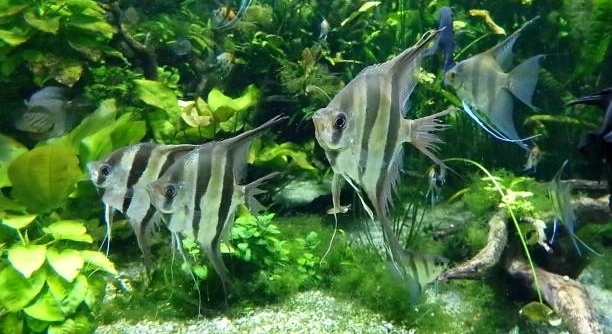
Angelfish are beautiful and popular aquarium fish, known for their graceful movements and vibrant colors. However, many hobbyists face the challenge of getting them to breed. Understanding why angelfish may refuse to breed can be helpful.
There are several factors that could cause angelfish to reject breeding, including poor water conditions, inadequate tank size, stress, and improper diet. Additionally, compatibility between the male and female angelfish is crucial for successful breeding.
By addressing these key factors, you can improve the chances of your angelfish breeding. We will explore these reasons and how to create the ideal environment for them.
Water Conditions
Water quality is one of the most important factors when it comes to breeding angelfish. If the water is too hard, too acidic, or too polluted, your fish will struggle to breed. Angelfish thrive in soft, slightly acidic water. Regular water changes and maintaining proper filtration are essential for their overall health and well-being. Also, ensure that the temperature is stable. Angelfish prefer water that is around 78-80°F (25-27°C). Keeping water quality at optimal levels not only supports breeding but also ensures the long-term health of the fish.
Water conditions should be checked frequently, especially if breeding attempts are unsuccessful. A test kit for pH, hardness, and ammonia levels can be very useful. Maintaining a consistent environment can make all the difference in your angelfish’s ability to breed successfully.
You can also add aquarium plants or other hiding spots to reduce stress, as angelfish will feel more comfortable and secure. All these changes can encourage breeding.
Tank Size and Space
Tank size plays a key role in angelfish breeding. A small, overcrowded tank leads to stress, which can prevent your fish from reproducing. Ideally, angelfish need a tank that is at least 20 gallons in size, with plenty of swimming space and room for territories. If the tank is too small, it can lead to territorial disputes, making breeding difficult.
Having enough space for both the male and female angelfish to claim their territories helps them feel more secure and promotes breeding. Overcrowding can also result in poor water quality, further discouraging breeding.
It’s also important to ensure the tank is well-planted or has artificial caves. These areas give angelfish a place to lay eggs and feel safe. A tank with appropriate space and hiding spots is more likely to create a comfortable breeding environment for your angelfish.
Stress and Environment
Stress is one of the most common reasons angelfish refuse to breed. It can be caused by various factors, such as loud noises, aggressive tank mates, or constant changes in the environment. Angelfish are sensitive and thrive in calm, stable settings.
Providing a peaceful tank environment is essential for angelfish to feel safe enough to breed. It’s important to avoid placing any aggressive species in the tank that might cause stress. Additionally, placing the tank in a low-traffic area reduces disturbances, helping angelfish stay calm. A consistent routine with feeding and cleaning also minimizes stress.
Even small changes in water temperature or lighting can cause discomfort for angelfish. Keeping things consistent, with gentle filtration and soft lighting, helps them maintain a stress-free environment. Stress can be a silent barrier to breeding, but addressing it can help unlock your angelfish’s potential to reproduce.
Diet and Nutrition
A proper diet is crucial for breeding angelfish. They require a balanced diet, rich in protein, to support their health and encourage reproduction. Feeding them high-quality foods like bloodworms, brine shrimp, and specialized pellets can make a significant difference.
Providing a variety of foods ensures they receive all the necessary nutrients. Healthy, well-fed angelfish are more likely to breed successfully, as they’ll have the energy needed for the process. It’s also beneficial to feed them smaller, more frequent meals, mimicking their natural feeding habits.
A proper diet can help avoid any nutrient deficiencies that might prevent breeding. Angelfish that are underfed or lacking essential nutrients will often refuse to reproduce. Ensuring they have access to the best possible food is one of the easiest ways to support breeding.
Male and Female Compatibility
The compatibility between male and female angelfish is crucial for successful breeding. If the two fish don’t get along or one is too aggressive, it can prevent breeding. Compatibility issues often arise when the fish are too young or haven’t fully matured.
It’s essential to ensure the male and female are of similar size and age. Angelfish reach sexual maturity at around six months, but pairing them before that can lead to failed breeding attempts. Observing their behavior can help determine if they are ready to breed.
Breeding Behavior
Angelfish exhibit specific behaviors when they are ready to breed. The male usually chases the female, displaying his interest by flaring his fins and swimming in a slow, deliberate manner. If the female is ready, she will respond by swimming with him.
These courtship behaviors help confirm that the angelfish are in breeding condition. If you see this behavior, it’s a good sign that the breeding process is on the horizon. However, unsuccessful attempts may still occur if environmental conditions aren’t ideal. Monitoring water quality and tank size during this phase is important.
Lighting and Temperature
The right lighting and temperature are essential for angelfish to breed. Too much light or too high temperatures can stress the fish, while too little light can discourage breeding. Maintaining moderate lighting and stable temperatures is key.
Angelfish prefer a temperature range of 78-80°F (25-27°C) to breed. Consistent lighting, mimicking natural day and night cycles, can help trigger breeding behavior. A tank with both light and temperature consistency can encourage your angelfish to feel more comfortable and ready to breed.
FAQ
Why aren’t my angelfish breeding?
There are several potential reasons your angelfish aren’t breeding. It could be due to poor water conditions, improper tank size, stress, or a lack of compatibility between the male and female. Ensuring the right water temperature, pH levels, and tank size are crucial. Additionally, providing a peaceful environment and a healthy diet can help encourage breeding. Finally, if the fish are too young or not ready, they may simply not breed yet.
How do I know when my angelfish are ready to breed?
Angelfish typically show signs of readiness when they begin courtship behaviors. The male will chase and display his fins in front of the female. He might also start cleaning a spot on a flat surface where the female can lay her eggs. If you see these behaviors, it’s a sign that they may be ready to breed.
How often do angelfish breed?
Angelfish can breed once they reach sexual maturity, typically around six months of age. They may breed every two to three weeks under optimal conditions, though this can vary depending on water quality, diet, and other factors. In some cases, they may breed less frequently if conditions aren’t ideal.
Can angelfish breed without a mate?
Angelfish need both a male and a female to breed. A single angelfish cannot reproduce by itself. However, some pairs may form strong bonds and breed regularly. If you’re unsure whether your angelfish are a pair, you can observe their behavior to check for compatibility.
Do angelfish need special food to breed?
While angelfish don’t need special food to breed, providing them with a high-protein diet can help encourage reproduction. Foods like bloodworms, brine shrimp, and other high-quality fish foods will improve their health and energy levels, making them more likely to breed. Regular feeding with nutrient-rich foods is essential for preparing your angelfish for breeding.
Can angelfish breed in a community tank?
Yes, angelfish can breed in a community tank, but it’s essential to ensure that other fish aren’t stressing them out. It’s best to keep tank mates that won’t disrupt the breeding process. Additionally, make sure that there is enough space for the angelfish to claim a territory. Some fish may attempt to eat the eggs, so be mindful of your tank’s inhabitants.
Do angelfish need a breeding box?
A breeding box is not strictly necessary for angelfish to breed, but it can help protect the eggs and fry from being eaten by other tank mates. If you’re concerned about the safety of the eggs, using a breeding box or a separate breeding tank can help ensure the survival of the young fish.
How do I set up a breeding tank for angelfish?
Setting up a breeding tank involves creating a stable environment with the right water conditions, a moderate temperature of 78-80°F, and appropriate water hardness. Adding plants or surfaces for the female to lay eggs on, such as broad-leaf plants or flat rocks, is beneficial. Ensure the tank has gentle filtration to avoid disturbing the fish while maintaining water quality.
Do angelfish lay eggs or give birth?
Angelfish lay eggs, not live birth. The female will lay her eggs on a flat surface, and the male will fertilize them. After fertilization, the eggs will hatch into fry within several days, depending on water temperature. The parents will protect the eggs and their fry until they are large enough to swim on their own.
How long does it take for angelfish eggs to hatch?
Angelfish eggs typically take around 2 to 3 days to hatch, depending on the water temperature. Warmer temperatures will speed up the process, while cooler temperatures may take longer. During this time, the parents will guard the eggs, ensuring they stay safe from potential threats.
Can I remove the angelfish fry?
It’s generally safe to remove the fry from the breeding tank once they’ve hatched and can swim. Some breeders prefer to separate the fry from the parents to protect them from being eaten. If you choose to do so, you’ll need a separate tank with suitable water conditions for the fry to grow.
What do I feed angelfish fry?
Angelfish fry are very small when they first hatch, so they require specialized food. Start by offering freshly hatched brine shrimp, liquid fry food, or finely crushed flake food. It’s important to feed them small amounts frequently, as their tiny mouths need small particles to digest.
How can I tell if my angelfish eggs are fertilized?
Fertilized eggs will typically appear transparent or slightly cloudy, while unfertilized eggs will appear white and opaque. The parents often remove the unfertilized eggs from the nest. If you notice white, moldy-looking eggs, it’s a sign that they were not fertilized.
Should I remove eggs if they’re not fertilized?
Yes, it’s a good idea to remove unfertilized eggs from the breeding area to prevent fungal growth. Unfertilized eggs can become a breeding ground for bacteria and fungus, which could affect the healthy eggs and fry. Parents will often remove the unfertilized eggs, but if they don’t, you may want to do so.
Can I breed angelfish with other types of fish?
It’s best to breed angelfish with other angelfish to avoid complications with crossbreeding. Breeding them with other types of fish can result in hybrid offspring, which may not breed true to the angelfish species. For the best results, keep angelfish breeding pairs together in a tank.
What is the ideal tank size for angelfish breeding?
A minimum tank size of 20 gallons is recommended for breeding angelfish. However, larger tanks provide more space for the fish to claim territories and reduce stress. A well-planted tank with enough space for the angelfish to move freely will support successful breeding efforts.
Final Thoughts
Breeding angelfish can be a rewarding experience, but it requires attention to detail. Ensuring the right water conditions, tank setup, and compatibility between the male and female are essential factors. By creating a peaceful, stable environment and maintaining optimal temperatures, you provide the best chance for successful breeding. It’s important to understand that not all breeding attempts will succeed immediately. Patience is key, as it may take several tries before your angelfish are ready to breed.
Another important aspect of breeding angelfish is providing them with proper nutrition. A well-balanced, protein-rich diet is essential for both the male and female to ensure their health and energy levels remain high. Foods like brine shrimp, bloodworms, and high-quality flakes or pellets can help prepare them for breeding. Healthy fish are more likely to breed, and proper nutrition supports the development of strong, healthy fry.
While breeding angelfish can be challenging, the process is also highly rewarding. With the right care and environment, you can witness the natural behaviors of angelfish as they go through the breeding cycle. Whether you’re a beginner or experienced aquarist, understanding the factors that influence angelfish breeding will help you improve your chances of success. Remember to observe your fish closely and make adjustments as needed, keeping in mind that each pair may have its unique needs and preferences.

Hello,
If you enjoy the content that we create, please consider saying a "Thank You!" by leaving a tip.
Every little bit helps us continue crafting quality advice that supports the health, happiness, and well-being of pets around the world, for pets of all shapes, sizes, and species.
We really appreciate the kindness and support that you show us!