
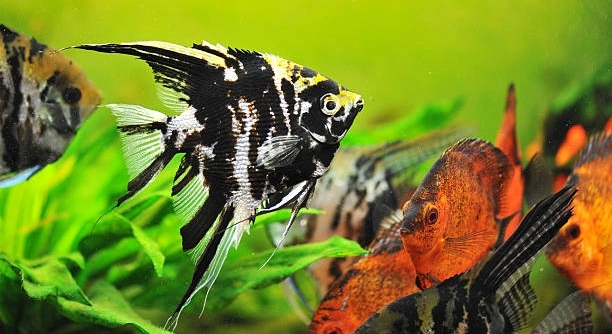
Angelfish are beautiful and popular aquarium fish, known for their graceful appearance and peaceful nature. However, it’s not uncommon for them to float at the top of the tank occasionally. Understanding why can help improve their care.
Angelfish may float at the top of the tank due to a variety of factors, such as poor water quality, stress, swim bladder issues, or insufficient oxygen levels. These factors can cause discomfort or difficulty in swimming properly.
Recognizing the reasons behind this behavior can help you keep your angelfish healthy. It’s important to monitor the water conditions and their overall well-being.
Poor Water Quality
Angelfish are very sensitive to changes in water quality. If the tank’s water isn’t kept clean, it can lead to various health issues. High levels of ammonia, nitrates, or nitrites can cause fish to feel stressed or uncomfortable. In a tank that’s not properly maintained, fish might swim at the top or avoid moving much. Regular water changes are essential to maintain healthy living conditions. The water should be tested for pH, hardness, and chemical levels regularly.
Dirty water can also affect oxygen levels. As contaminants build up, the water’s oxygen content drops. This lack of oxygen might make the angelfish float at the surface in search of air.
To prevent this, invest in a good filtration system and avoid overfeeding your fish. Keeping the water clean will support your angelfish’s overall health and behavior. Regular testing and monitoring the tank’s environment can help you spot issues before they become serious problems.
Stress and Anxiety
Stress is another factor that can cause angelfish to float at the top. Angelfish may become stressed due to overcrowding, sudden temperature changes, or aggressive tank mates. When under stress, fish may exhibit unusual behaviors, including staying at the water’s surface.
Angelfish are peaceful but territorial. Having too many fish in the tank or fish that are too aggressive can lead to tension. Over time, this stress can cause health problems. They may not feel safe enough to swim freely in the middle of the tank.
To reduce stress, ensure your tank has enough space. Keep the water temperature steady and avoid introducing new fish too quickly. If you’re adding other fish, choose species that are compatible with angelfish to avoid unnecessary conflict. Keeping the environment calm and stable is essential for their well-being.
Swim Bladder Issues
Swim bladder disease is a common problem that causes angelfish to float at the top of the tank. This condition affects the fish’s ability to control its buoyancy. As a result, the fish might struggle to swim properly and end up floating upside down or at the surface.
Swim bladder disease can be caused by various factors, such as overfeeding, constipation, or injury. When a fish is overfed, its digestive system can become overloaded, putting pressure on the swim bladder. Constipation can also make it difficult for the fish to regulate its buoyancy.
Treatment often involves adjusting the fish’s diet. Feeding smaller amounts and avoiding foods that are hard to digest, like high-protein or oily foods, can help. You may also need to stop feeding for a few days to give the angelfish’s digestive system time to reset. If symptoms persist, consult with an aquarium specialist for further advice.
Low Oxygen Levels
When the oxygen levels in your tank are too low, angelfish may float at the top to get more air. Oxygen is essential for their survival, and poor aeration can make breathing difficult. This can happen when the water isn’t circulating well, or the filtration system isn’t working efficiently.
Angelfish thrive in well-oxygenated water, and stagnant or still water leads to poor gas exchange. To address this, you should add an air pump to increase surface agitation. A properly functioning filtration system can also help improve water circulation.
Regular maintenance of the filtration system, along with ensuring proper water flow, will create a healthier environment for your angelfish. Additionally, check that the tank has enough surface area for gas exchange to occur. With improved oxygen levels, your angelfish should begin swimming more comfortably throughout the tank.
Tank Temperature
Angelfish are sensitive to temperature fluctuations. If the water in the tank is too warm or too cold, they may float at the top to seek more comfortable conditions. Sudden changes in temperature can stress them out, leading to abnormal behavior.
The ideal water temperature for angelfish is between 76°F and 82°F (24°C – 28°C). When the tank temperature drops or rises too much, it can slow down their metabolism or make them feel sluggish. Ensure that the heater is functioning properly and that the water remains stable.
Use a reliable aquarium thermometer to monitor the water’s temperature regularly. A good aquarium heater can help maintain consistent conditions, preventing temperature-related stress.
Overfeeding
Overfeeding your angelfish can lead to digestive problems and behavior changes. Angelfish tend to eat what’s offered, and they may not know when to stop, which can cause them to float at the top of the tank.
When overfed, food can block their digestive system, causing constipation or swim bladder issues. This makes it harder for them to maintain their buoyancy and swim normally. Be mindful of portion sizes, and avoid offering food that they can’t finish in a few minutes.
Consider using a feeding schedule to control their intake. This prevents overfeeding and helps maintain good digestion and buoyancy.
Poor Water Circulation
When there is inadequate water circulation in the tank, angelfish might float at the surface. Poor circulation can result in dead spots where oxygen levels are low.
To avoid this, invest in an effective filter that provides good water movement. Additionally, check that the filter is properly positioned to create a steady flow throughout the tank.
FAQ
Why does my angelfish stay at the top of the tank all the time?
If your angelfish is consistently staying at the top of the tank, it could be due to several factors. Poor water quality is a leading cause, as high levels of toxins like ammonia or nitrites can cause stress. Lack of oxygen can also make the fish seek air at the surface. Additionally, swim bladder issues or even stress from aggressive tank mates can result in this behavior. Make sure to check your water parameters and ensure that the filtration system is working correctly.
Can my angelfish get sick from staying at the top of the tank?
Yes, staying at the top of the tank might indicate an underlying issue that could affect your angelfish’s health. If the fish is having trouble swimming, there could be a problem with its buoyancy, possibly due to swim bladder disease. The fish might also be stressed from environmental factors or poor water quality. It’s important to identify the cause and address it quickly to prevent long-term health problems.
How do I fix low oxygen levels for my angelfish?
To fix low oxygen levels, consider adding an air pump or an additional filter. These devices will increase surface agitation and improve gas exchange, allowing oxygen to enter the water more effectively. You can also check if your filter is positioned correctly to ensure water is circulating well throughout the tank. Make sure that the tank has enough surface area to allow proper oxygen exchange.
Why does my angelfish float upside down?
If your angelfish is floating upside down, it could be a sign of swim bladder disease. This condition affects the fish’s ability to control its buoyancy, causing it to struggle with swimming and maintain its normal position. Overfeeding or constipation are common causes of swim bladder issues, but the problem can also result from stress or injury. Adjust the fish’s diet and water conditions to help it recover. In severe cases, consult a vet or aquarium expert for further advice.
What should I do if my angelfish is always at the top of the tank and not moving?
If your angelfish is staying at the top and not swimming around much, first check the water quality. High levels of toxins like ammonia or nitrites can cause the fish to feel stressed and lethargic. Also, ensure that the tank is properly aerated to prevent low oxygen levels. If the problem persists, inspect the fish for any signs of disease or injury, and adjust the environment accordingly.
Can temperature affect my angelfish’s behavior?
Yes, temperature plays a major role in your angelfish’s health and behavior. If the water temperature is too high or too low, your fish might float at the top, seeking comfort. Angelfish prefer water temperatures between 76°F and 82°F (24°C – 28°C). A sudden temperature change can also stress them out and cause unusual behaviors. Always monitor the water temperature with a reliable thermometer and make adjustments using a heater if necessary.
How can I tell if my angelfish is stressed?
Stress in angelfish can be caused by overcrowding, aggression from tank mates, poor water quality, or sudden changes in the environment. Signs of stress include erratic swimming, hiding, loss of appetite, and floating at the top. You may also notice that the fish is more lethargic or stays in one spot rather than swimming around the tank. Reducing tank congestion, improving water quality, and ensuring compatible tank mates can help reduce stress.
Is overfeeding a common reason for angelfish floating at the top?
Yes, overfeeding is a common cause of angelfish floating at the top of the tank. When angelfish are overfed, they may experience digestive problems, including constipation or swim bladder issues, which can make them float unnaturally. Feeding your fish the right amount of food based on their size and avoiding overfeeding can help prevent these issues. Stick to a feeding schedule, offering food only once or twice a day and removing any uneaten food after a few minutes.
How often should I clean my angelfish tank to prevent floating issues?
Regular tank cleaning is essential to prevent floating issues. Clean your angelfish tank at least once a week by doing a partial water change (about 25% of the tank). Check the filter for debris and clean it according to the manufacturer’s instructions. Test the water parameters regularly to ensure the water is safe for your fish. If you notice any abnormalities in the water quality, take action immediately.
Are there any treatments for swim bladder disease in angelfish?
Yes, swim bladder disease can often be treated with adjustments to your angelfish’s diet and environment. If constipation is the cause, fasting your fish for a few days or feeding them cooked, skinned peas can help clear the digestive system. Additionally, check that the water quality is good and ensure that the fish’s environment is stress-free. If the condition persists or worsens, a veterinarian specializing in fish may need to be consulted.
Can my angelfish die from floating at the top of the tank?
If the floating behavior is caused by serious underlying issues like swim bladder disease, low oxygen levels, or poor water quality, it can put your angelfish at risk. Over time, these conditions can lead to further health problems, including death. It’s important to address the root cause and correct the tank’s environment quickly. Proper care and attention will help prevent these issues from becoming fatal.
Final Thoughts
If your angelfish is floating at the top of the tank, it’s usually a sign that something isn’t right with its environment or health. It’s important to check the water quality first. Poor water conditions, such as high levels of ammonia, nitrates, or nitrites, can make your angelfish feel stressed and cause them to float at the surface. Keeping the water clean with regular water changes and a good filtration system can prevent many of these problems. Also, make sure you’re regularly testing the water to ensure the levels are safe for your fish. Clean water is essential for the health and happiness of your angelfish.
Another factor to consider is the oxygen level in your tank. Angelfish need enough oxygen to thrive, and low oxygen levels can cause them to swim to the top in search of air. If the tank is stagnant or the filter isn’t working properly, it can lead to poor oxygen circulation. Adding an air pump or ensuring your filter creates good water movement can help keep oxygen levels at the right level. Ensuring your fish have access to properly oxygenated water will allow them to swim comfortably throughout the tank.
Finally, it’s essential to think about your angelfish’s overall well-being. Stress, temperature changes, and even overfeeding can contribute to unusual behavior, like floating at the top. Make sure your tank isn’t overcrowded and that your fish have enough space. Consistent water temperature is also crucial, as sudden temperature changes can cause stress. Keeping the right balance of feeding, tank mates, and water quality will help keep your angelfish healthy and happy. If the issue continues, consider consulting with an aquarium expert to pinpoint the problem and find the best solution for your fish.

Hello,
If you enjoy the content that we create, please consider saying a "Thank You!" by leaving a tip.
Every little bit helps us continue crafting quality advice that supports the health, happiness, and well-being of pets around the world, for pets of all shapes, sizes, and species.
We really appreciate the kindness and support that you show us!