
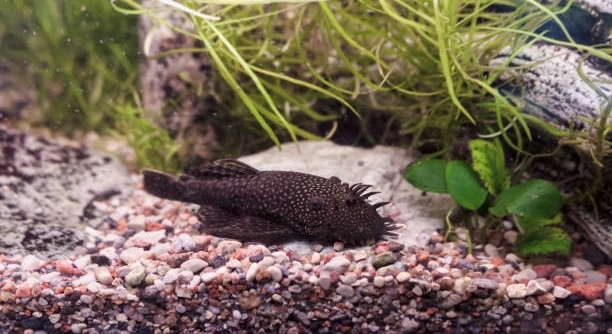
Plecos are fascinating fish, but if you’ve noticed your pleco constantly hiding, it might leave you wondering why. These shy creatures have certain needs and behaviors that influence their actions in the aquarium.
The primary reason plecos hide often is due to their shy nature and preference for a calm environment. They are nocturnal and feel more secure in secluded spaces, especially during the daytime when they are most vulnerable.
Understanding why plecos seek hiding spots is essential for creating a comfortable environment. Knowing their behavior can help ensure they are happy and healthy in your aquarium.
Shy by Nature
Plecos are naturally shy fish. They prefer darker, more hidden areas where they feel safer. These fish are not likely to thrive in a tank that’s too busy or loud. If you have other active fish, your pleco might hide more often. They also have a tendency to avoid large amounts of light, which is why they often seek out caves, plants, or corners in your tank. While some fish are more social, plecos are more solitary creatures, especially when they feel threatened.
Hiding is simply their way of dealing with stress. Plecos are more comfortable in quieter and darker spaces where they feel safe.
If your pleco is constantly hiding, it’s important to assess their environment. They may be trying to avoid disturbances or feeling overwhelmed. In this case, creating a calm and peaceful setting will help them adjust. Adding more hiding spots, such as caves or driftwood, can give them the privacy they crave. They need time to adjust to changes in their tank, whether it’s new fish, decor, or water conditions. Providing a peaceful habitat will help your pleco feel more at ease.
Stress from Tankmates
Tankmates can have a significant impact on your pleco’s behavior. If your tank has aggressive or overly active fish, your pleco may hide to avoid conflict.
Aggressive fish, like cichlids, can intimidate plecos, making them retreat to darker areas of the tank. When you choose tankmates, it’s essential to consider their temperament and size. Larger or more dominant fish can easily stress out your pleco, causing it to hide for long periods.
Plecos are peaceful creatures and thrive in tanks with similar calm-tempered fish. If you notice your pleco hiding more often, it could be a sign of conflict with tankmates. To help reduce stress, consider rearranging the tank or adding more hiding spots. Sometimes, separating aggressive fish from plecos can lead to better harmony. Remember, plecos don’t need to be in the spotlight and will feel more comfortable if they have a space to themselves away from any disruptions.
Water Conditions
Water quality is a key factor in your pleco’s behavior. If the water in your tank is too warm, too cold, or not properly filtered, your pleco might retreat into hiding. They are sensitive to changes in water chemistry, so keeping the water stable is important for their well-being.
Plecos prefer stable water temperatures between 72°F and 82°F (22°C – 28°C). Fluctuations in temperature or sudden changes in pH can make your pleco feel unsafe, leading it to hide. Regular water changes, proper filtration, and monitoring pH levels will help maintain the right conditions for your fish.
If your pleco is hiding, check the water conditions immediately. High levels of ammonia, nitrates, or nitrites can cause stress and force your pleco to stay hidden. It’s essential to test the water regularly, especially after cleaning the tank or adding new fish. If the water parameters are off, your pleco might seek shelter to avoid exposure to harmful toxins.
Lack of Hiding Spots
Plecos are bottom-dwelling fish and feel more secure when they have plenty of hiding spots. Without caves or plants to retreat to, they may feel exposed and spend more time hiding. Adding additional structures like driftwood, rocks, or plants can provide them with much-needed privacy.
Plecos naturally seek out secluded areas in their environment. If your tank lacks hiding places, your pleco might feel vulnerable and stressed. This stress can lead to more frequent hiding and even poor health if left unaddressed. By adding rocks, caves, or other decorations, you can create a more comfortable space for them to explore.
In a well-decorated tank, your pleco will likely feel more secure and come out of hiding more often. Providing hiding spots also helps mimic their natural environment, where they typically seek cover during the day. It’s crucial to ensure the hiding spots are large enough for your pleco to comfortably fit inside.
Overfeeding
Overfeeding is a common issue with plecos. If there’s too much food in the tank, they may feel overwhelmed or stressed, leading them to hide. Plecos are bottom feeders, and they tend to graze on leftover food, but excess food can make the tank feel unclean and unsafe.
When you overfeed, uneaten food can accumulate at the bottom of the tank, affecting water quality. This can also attract harmful bacteria that can stress your pleco. Reducing the amount of food you give them and ensuring it’s consumed within a short period will help maintain a cleaner, safer environment for your fish.
To avoid overfeeding, stick to a feeding schedule and monitor the amount of food in the tank. Plecos don’t need constant food to thrive. Giving small portions that are quickly eaten will reduce the chances of your pleco hiding due to poor water conditions or stress.
Poor Tank Maintenance
If your tank isn’t properly maintained, your pleco will feel the effects. Dirty tanks with poor water filtration or leftover debris can create an uncomfortable environment. This may cause your pleco to hide frequently, trying to avoid the polluted conditions.
Regular maintenance, such as cleaning the tank, changing the water, and ensuring the filter is working correctly, is essential for your pleco’s well-being. If the tank is dirty, harmful toxins can accumulate, making your pleco more prone to stress and hiding. A well-maintained tank helps prevent these issues.
If your pleco is hiding and water conditions are poor, clean the tank immediately. A quick fix can involve removing any debris, vacuuming the substrate, and doing a partial water change. This will reduce stress and encourage your pleco to feel more comfortable.
Illness or Injury
If a pleco is sick or injured, it may hide to avoid predators or any further harm. Illnesses can cause lethargy or discomfort, leading them to seek quiet, dark areas. It’s important to look out for signs of illness like discoloration or loss of appetite.
FAQ
Why is my pleco hiding so much?
Plecos are naturally shy and nocturnal creatures. They prefer dark, hidden spaces to feel safe. If your pleco is hiding frequently, it may be stressed by its environment, tankmates, or water conditions. Other factors, like overfeeding, lack of hiding spots, or poor tank maintenance, can also contribute to hiding behavior. Ensure your pleco has a comfortable space with the right water conditions and sufficient hiding spots. If the problem persists, check if your tank is too noisy, overcrowded, or if tankmates are being aggressive.
How can I stop my pleco from hiding all the time?
To reduce your pleco’s hiding, create a peaceful tank environment. Provide plenty of hiding spots such as caves, plants, and driftwood where they can retreat when they feel stressed. Make sure the water conditions are ideal, with stable temperature and clean, filtered water. Avoid overfeeding, as leftover food can pollute the tank, causing stress. Additionally, consider the temperament of your tankmates—too many aggressive or fast-moving fish can drive your pleco to hide more often. Regular maintenance and a calm atmosphere can encourage your pleco to feel more comfortable and come out more often.
How do I know if my pleco is stressed?
Signs of stress in a pleco can include hiding for extended periods, loss of appetite, and changes in behavior. If your pleco is more reclusive than usual, its body may show signs of stress like faded colors, rapid breathing, or abnormal swimming patterns. Stress can stem from poor water quality, unsuitable tank conditions, aggressive tankmates, or an overcrowded tank. Regularly monitor your pleco’s behavior and water conditions to address stress early and prevent further health issues.
What can I do if my pleco isn’t eating?
If your pleco stops eating, it’s important to first check the water quality. Poor water conditions can discourage feeding. Make sure the water is clean, with proper filtration and correct temperature levels. Plecos are also nocturnal, so you might not see them eat during the day. Try feeding them at night or when the tank is quieter. If the issue persists, check if they’re being bullied by other fish or if their hiding spots are inadequate. In rare cases, illness or injury might be the cause, so look out for other symptoms like lethargy or abnormal swimming.
Can plecos live in a tank with other fish?
Yes, plecos can live with other fish, but it’s important to choose compatible tankmates. Plecos are peaceful, bottom-dwelling fish that prefer calmer environments. Avoid housing them with aggressive fish or those that might compete for space and food. Ideal tankmates include peaceful community fish like tetras, guppies, or swordtails. Make sure the tank has plenty of hiding spots to give your pleco space when it needs to retreat. Proper tank size is also important; overcrowding can stress plecos and other fish.
How often should I feed my pleco?
Plecos are bottom-feeding fish that graze on algae and leftover food. Feed them small amounts once a day, making sure the food is eaten within a few minutes. Overfeeding can lead to poor water conditions, which can cause stress and encourage hiding. Provide a variety of food options like algae wafers, vegetables (like zucchini or cucumber), and occasional protein-rich foods. Plecos will also benefit from natural algae growth in the tank, so don’t worry if they skip a meal occasionally. Remember that plecos are nocturnal, so they may eat more during the evening when the tank is quieter.
Do plecos need a special diet?
While plecos can graze on algae in the tank, they also need a balanced diet to stay healthy. Provide algae wafers or sinking pellets designed for plecos. Vegetables like cucumber, zucchini, and spinach are also great additions to their diet. Occasionally, you can offer protein-rich foods such as shrimp or bloodworms, especially for younger plecos that need more protein to grow. Make sure you avoid overfeeding and remove any uneaten food to maintain water quality.
Why is my pleco not growing?
If your pleco isn’t growing, the issue could be related to water quality, diet, or tank size. Plecos need a clean tank with stable water conditions to grow properly. They also require a well-balanced diet rich in fiber and protein to thrive. If they’re not getting the right nutrients or the tank is too small, their growth may be stunted. Check if the water temperature, pH, and filtration are within the ideal range. Ensure your pleco has enough space to grow, as cramped tanks can hinder their development.
How do I know if my pleco is pregnant?
Female plecos can become gravid when carrying eggs, though this is not always easy to detect. Look for a rounded, swollen belly, which may appear more pronounced if the pleco is carrying a full batch of eggs. If your pleco is hiding more frequently or seems less active than usual, it could be a sign that she’s ready to lay eggs. In some cases, plecos may exhibit territorial behavior or seek out secluded areas to lay their eggs. If you’re not sure, observe closely for signs of breeding behavior or consult with an aquarium expert.
Final Thoughts
Understanding why your pleco hides so much can help you create a better environment for it. Plecos are naturally shy creatures and prefer dark, secluded spaces where they feel safe. They are nocturnal, so they may spend most of the day hiding and become more active at night. However, excessive hiding can be a sign of stress or discomfort, so it’s important to address the underlying causes. Poor water quality, aggressive tankmates, or even a lack of hiding spots can all contribute to your pleco’s behavior.
Maintaining proper water conditions is essential for a healthy pleco. They are sensitive to changes in water temperature, pH levels, and cleanliness. Make sure the water is filtered well and that the tank is kept clean. A stable temperature, ideally between 72°F and 82°F, is important for your pleco’s comfort. Regular water changes and monitoring the water parameters can prevent stress and help your pleco feel more secure. If your pleco is hiding too often, it’s a good idea to test the water quality and make necessary adjustments.
Finally, providing plenty of hiding spots and suitable tankmates can go a long way in reducing your pleco’s stress. Plecos need spaces to retreat to when they feel threatened, so consider adding caves, plants, or pieces of driftwood to the tank. A calm and peaceful environment is key for encouraging your pleco to feel more comfortable. If you have other fish in the tank, make sure they are compatible with your pleco and not too aggressive. By considering these factors and making adjustments to your pleco’s habitat, you can help ensure a happier, healthier fish.

Hello,
If you enjoy the content that we create, please consider saying a "Thank You!" by leaving a tip.
Every little bit helps us continue crafting quality advice that supports the health, happiness, and well-being of pets around the world, for pets of all shapes, sizes, and species.
We really appreciate the kindness and support that you show us!