
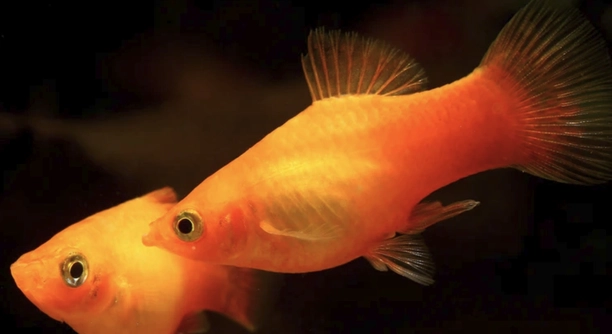
Platies are popular aquarium fish known for their vibrant colors and peaceful nature. Many owners feed them pellets as a convenient and nutritious food option. However, sometimes platies may refuse to eat these pellets, which can be puzzling and frustrating.
Platies may refuse to eat pellets due to various reasons such as stress, poor water quality, pellet size, dietary preferences, illness, or even changes in their environment. Each factor can influence their willingness to accept pellet food.
Understanding these reasons can help you improve your platy’s health and feeding habits, making their care easier and more enjoyable for both of you.
Stress and Its Impact on Platy Appetite
Stress is a common reason why platies might stop eating pellets. Changes in their environment, such as moving to a new tank or overcrowding, can cause stress. Loud noises, sudden movements, or aggressive tank mates may also disturb them. When stressed, platies may hide or swim erratically, which affects their interest in food. Stress weakens their immune system and makes them less active, reducing their need to eat. Proper tank setup, including hiding spots and peaceful companions, helps lower stress levels. Keeping a stable routine with feeding and maintenance is also important. Monitoring water temperature and quality will reduce stress further. When platies feel safe and comfortable, they are more likely to accept pellets and eat regularly. Observing their behavior can help you spot stress early and take action to improve their environment. This attention promotes healthier and happier fish.
Stress lowers platies’ appetite by disrupting their normal behavior. A calm tank encourages them to eat pellets regularly.
Keeping the tank peaceful and stable helps platies feel secure. Stress reduction supports their health and feeding habits, making pellet acceptance easier and more consistent.
Water Quality and Feeding Behavior
Poor water quality affects platies’ willingness to eat pellets. Dirty water, high ammonia, or wrong pH levels can make fish uncomfortable or sick. Even small changes in water chemistry cause stress and loss of appetite. It’s essential to test water regularly and perform timely water changes. Maintaining stable temperature and proper filtration keeps the environment healthy. Clear, clean water encourages natural feeding behavior and helps digestion. If water quality is neglected, platies may refuse food and show signs of illness like lethargy or unusual swimming. Feeding them in poor water conditions can worsen health problems. A clean tank creates the best conditions for platies to accept pellets. Proper care and monitoring of water quality support their overall wellbeing and appetite. Keeping the water in good shape prevents feeding problems and supports long-term health.
Regular testing and cleaning ensure water quality remains ideal for platies. Clean water supports normal feeding and pellet acceptance.
A healthy tank environment is vital for platies to stay active and eat well. By maintaining good water quality, you help your fish enjoy their pellets and thrive in your care.
Pellet Size and Texture
Pellets that are too large or hard may discourage platies from eating. Small, soft pellets are easier for them to chew and swallow.
Choosing the right pellet size is important for platies, especially young or smaller fish. If pellets are too big, platies might ignore them or struggle to eat. Soft pellets dissolve more quickly in water and release flavors that attract fish. Some brands offer sinking pellets that float or sink slowly, matching platies’ natural feeding habits. Testing different pellet types helps find the best match for your fish’s preferences. Avoid pellets that crumble too fast, as this can pollute the tank and reduce appetite.
Texture plays a role as well; platies prefer pellets that don’t fall apart immediately but aren’t too tough either. Offering variety may encourage them to eat consistently and keep their diet balanced.
Illness and Health Issues
Illness can cause a loss of appetite in platies, leading them to refuse pellets.
Common diseases, such as ich, fin rot, or internal parasites, affect their ability to eat. Sick fish often appear lethargic, lose color, or have damaged fins. If platies stop eating and show unusual behavior, it’s important to check water quality and isolate them if necessary. Treating illness early improves recovery chances and restores appetite. Consulting a vet or fish specialist may help diagnose the problem.
Good nutrition supports immune health, so offering high-quality pellets alongside other foods can help prevent illness. Observing your fish daily allows quick responses to health changes, keeping them eating well and healthy.
Dietary Preferences
Platies can be picky eaters and sometimes prefer live or frozen food over pellets. Their natural diet includes insects and plant matter.
Offering a variety of foods alongside pellets can encourage eating. Sometimes platies refuse pellets simply because they want something different or fresher.
Changes in Environment
Sudden changes in tank conditions, such as temperature shifts or new decorations, can affect platies’ feeding. They may stop eating until they adjust to the new setup.
Maintaining a stable environment helps platies feel secure and maintain their appetite. Avoid making too many changes at once to prevent feeding disruptions.
Overfeeding
Overfeeding can cause platies to lose interest in pellets. When fed too much, fish may feel full and refuse additional food.
It’s best to feed small amounts twice a day and remove uneaten pellets to avoid water pollution and appetite loss. Proper feeding keeps fish healthy and interested in food.
Lighting and Feeding Time
Lighting affects platies’ feeding behavior. They tend to eat more during well-lit periods and less when it’s too dark or too bright.
Establishing a regular feeding schedule under consistent lighting helps platies develop healthy eating habits and accept pellets more reliably.
Why is my platy ignoring pellets but eating other foods?
Platies sometimes prefer fresh or live foods over pellets because these options mimic their natural diet better. Live or frozen foods like brine shrimp, bloodworms, or daphnia often have stronger scents and textures that appeal more to them. Pellets can seem less interesting or less fresh by comparison. If your platy eats other foods but refuses pellets, try mixing pellets with small amounts of their preferred food. Gradually, this can encourage them to accept pellets on their own. Also, ensure pellets are fresh and stored properly, as stale pellets lose flavor and nutrients, making them less attractive.
How can I tell if my platy is stressed or sick?
Signs of stress or illness include hiding more than usual, erratic swimming, faded colors, clamped fins, or visible spots and lesions. A platy refusing food for more than a day or two could be ill. Stress often shows through sudden behavior changes and can lower appetite. Check water quality first, since poor conditions commonly cause stress and illness. If problems persist, consult a vet or fish specialist. Early diagnosis and treatment increase chances of recovery and returning to normal feeding habits.
Can pellet size really make a difference?
Yes. Pellets that are too large or hard can discourage platies from eating. Smaller, softer pellets are easier for them to chew and swallow. Young or smaller platies especially benefit from tiny pellets or flakes. Trying different brands or types can help find the right pellet size and texture that suits your fish. Pellets designed specifically for small tropical fish work best. If pellets crumble too quickly, it can dirty the water and reduce appetite, so balance softness with durability.
How often should I feed my platy pellets?
Feeding twice a day with small amounts is ideal. Overfeeding can cause uneaten food to pollute the tank and make fish lose interest in eating. Feed only what platies can consume in about two minutes. If pellets remain uneaten, remove them promptly to maintain water quality. A consistent feeding schedule helps platies expect food and reduces stress. Feeding smaller portions more frequently can improve digestion and appetite. Avoid feeding at irregular times, which can confuse fish and disrupt their eating habits.
What role does water quality play in feeding?
Water quality has a huge impact on platies’ appetite. Poor water conditions, such as high ammonia, nitrite, or incorrect pH, cause stress and health issues. This often leads to loss of appetite or refusal to eat pellets. Keeping water clean with regular tests and partial changes is essential. Proper filtration and avoiding overcrowding also support good water quality. Healthy, stable water conditions encourage natural feeding behavior and improve digestion. Feeding in dirty water can worsen health problems and reduce pellet acceptance.
Can platies become picky eaters over time?
Yes, platies can develop preferences or aversions to certain foods. Changing diets too quickly or feeding only one type of food may cause boredom or rejection of pellets. Offering a variety of foods—pellets, flakes, frozen, and live options—can keep them interested and balanced nutritionally. If your platy suddenly refuses pellets, try mixing them with other foods or switching pellet brands. Some platies prefer certain flavors or textures, so patience and experimentation are key to finding what works.
How do environmental changes affect platy feeding?
Sudden changes such as adding new tank decorations, changing water temperature, or introducing new tank mates can stress platies. Stress often causes them to stop eating temporarily. Platies need time to adjust to new environments. Keeping changes gradual and minimizing disturbances helps maintain normal feeding. Maintaining consistent temperature, lighting, and tank layout supports their comfort and appetite. Avoid sudden water chemistry shifts, which can also cause feeding refusal.
Are there pellets made specifically for platies?
Yes, many brands produce pellets formulated for small tropical fish like platies. These pellets often contain the right balance of protein, vitamins, and minerals suited to their needs. Look for pellets labeled for livebearers or tropical fish. They tend to be smaller and softer, making them easier to eat. Choosing quality pellets helps support your platy’s health and encourages consistent feeding. Avoid generic or low-quality pellets that may lack necessary nutrients or have poor texture.
What should I do if my platy refuses pellets for days?
If refusal lasts more than a couple of days, first check water quality and tank conditions. Poor environment or illness often causes appetite loss. Try offering live or frozen foods to stimulate interest. Mixing pellets with preferred foods can encourage acceptance. Observe for signs of illness and isolate sick fish if needed. If problems continue, seek advice from a vet or fish expert. Maintaining a calm environment, proper feeding schedule, and good water quality usually helps platies return to eating pellets.
When platies refuse to eat pellets, it can be a sign that something in their environment or care needs attention. There are several reasons why this might happen, ranging from stress and water quality to pellet size and health issues. Each factor plays an important role in how willing platies are to accept pellet food. Understanding these reasons helps improve their feeding habits and overall well-being. Paying attention to your fish’s behavior and tank conditions makes it easier to spot problems early and adjust care accordingly. Small changes can often make a big difference in encouraging platies to eat pellets regularly.
Maintaining a stable and comfortable environment is one of the best ways to support your platy’s appetite. Stress from sudden changes or poor water conditions often causes feeding problems. Keeping the tank clean and properly filtered, avoiding overcrowding, and ensuring water parameters are within the right range will help your fish feel safe and healthy. Offering pellets that suit their size and texture preferences also encourages better feeding. It’s normal for platies to sometimes prefer live or frozen foods, but with patience and variety, pellets can remain a reliable part of their diet. A consistent feeding schedule and good water quality create a positive routine that supports healthy eating habits.
If your platy continues to refuse pellets, watching for signs of illness is important. Loss of appetite is often one of the first symptoms fish show when they are sick or stressed. Early action, such as improving water quality, isolating the fish if necessary, and seeking advice from a specialist, can prevent more serious problems. Remember, good nutrition and a stress-free environment go hand in hand. By paying close attention to your platy’s needs and making small, thoughtful adjustments, you can help them enjoy their pellets again and keep them healthy and happy for the long term.

Hello,
If you enjoy the content that we create, please consider saying a "Thank You!" by leaving a tip.
Every little bit helps us continue crafting quality advice that supports the health, happiness, and well-being of pets around the world, for pets of all shapes, sizes, and species.
We really appreciate the kindness and support that you show us!