
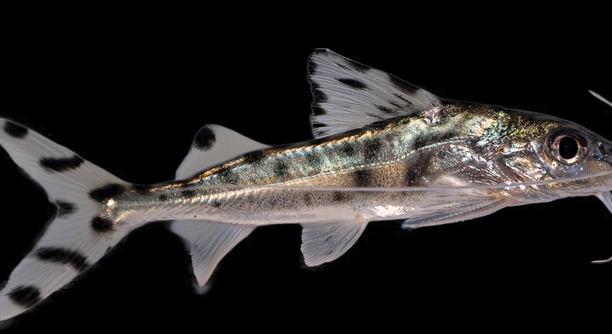
Do you ever find yourself watching your pictus catfish linger near the surface and wonder if something unusual is going on?
Pictus catfish may stay near the surface due to low oxygen levels, stress, or environmental changes in the tank. This behavior can also signal issues with water quality or indicate a natural response to certain stimuli.
Learning what influences this surface activity can help you create a healthier environment and better understand your pictus catfish’s habits and needs.
Low Oxygen Levels in the Tank
When oxygen levels drop in your aquarium, pictus catfish may move toward the surface, where oxygen is more available. This is one of the most common reasons for this change in behavior. Poor water circulation, a lack of surface movement, or high temperatures can all contribute to lower oxygen levels. If the tank is overcrowded or lacks proper aeration, your pictus may start gasping at the top. This isn’t always an emergency, but it’s a signal that something in the environment needs adjusting. Checking filter performance, adding an air stone, or reducing the number of fish can make a big difference. Make sure the water temperature stays within the recommended range, as warmer water holds less oxygen. Testing the water regularly will help you catch any problems early before they start affecting your fish’s behavior or overall health.
A good filtration system and regular maintenance help maintain a stable, oxygen-rich environment.
Oxygen levels are vital to fish health. If your pictus catfish seems overly active at the top, this is a sign to act quickly. Water tests, added aeration, and proper tank management are simple steps you can take to restore balance. Prevention is always easier than correcting prolonged issues with tank conditions.
Stress from Environmental Changes
Sudden changes in a pictus catfish’s surroundings can cause stress, which often results in surface-hanging behavior.
Stress may come from aggressive tank mates, poor lighting, or frequent disturbances around the tank. Even minor changes like switching decorations or sudden shifts in water parameters can affect your fish. Pictus catfish are generally peaceful but can become uneasy when they don’t feel secure. Surface swimming is sometimes a response to overstimulation or anxiety, and it can be temporary if the stressor is removed. Watching your fish’s habits closely and identifying patterns can help determine what’s causing the change. When stress is ongoing, it may weaken the fish’s immune system, leading to long-term health issues. Reducing light intensity, keeping noise around the tank low, and creating a stable environment will help your pictus feel safer. Providing hiding spaces and monitoring interactions with other fish also makes a big difference. A consistent, peaceful habitat is key to your fish’s comfort and behavior.
Poor Water Quality
Dirty or imbalanced water conditions can lead to unusual behavior like surface swimming. Pictus catfish are sensitive to ammonia, nitrite, and nitrate levels, which can rise quickly without proper care.
Even small spikes in ammonia or nitrite can irritate their gills, making it harder for them to breathe. This discomfort may cause them to seek the upper water levels, where the oxygen concentration is slightly higher. Uneaten food, decaying plants, and overcrowding all affect water quality. Regular testing and weekly water changes are essential. A clean filter also helps remove excess waste and keeps the nitrogen cycle stable. Maintaining a routine cleaning schedule and monitoring parameters can prevent most issues before they escalate. This not only supports your fish’s health but also keeps them behaving naturally and staying active throughout the tank.
Nitrates, while less toxic, can still cause stress when too high. A level above 40 ppm should be addressed immediately. Large water changes, reduced feeding, and improved filtration can help bring levels down. Over time, consistent water care builds a stable habitat. Pictus catfish will thrive in clean water, and their behavior will return to normal when the environment is right. Watching for surface swimming can be an early sign that something needs fixing below.
Temperature Fluctuations
If your tank’s temperature rises or falls too fast, your pictus may start swimming at the surface. This usually happens when heaters fail or room temperatures swing suddenly.
Pictus catfish prefer stable water temperatures between 74°F and 80°F. Fluctuations outside this range can create discomfort or confusion. Colder water slows metabolism, while warmer water reduces oxygen and stresses the fish. Surface activity often shows they’re trying to cope with these changes. Use a reliable heater and thermometer to monitor the water consistently. Avoid placing tanks near windows, radiators, or vents where temperature shifts are common. Keeping the tank covered and insulated helps reduce fluctuations overnight.
Sudden water changes can also shock your fish, especially if the replacement water is not close in temperature. Always match new water to the tank’s current temperature before adding it. During warmer months, check the tank often to prevent overheating. Cooler seasons may need a backup heater or insulated tank space. If your pictus hangs near the surface often, check the thermometer first—it could be a simple fix. Keeping temperature consistent reduces stress and supports better breathing, feeding, and behavior.
Natural Exploration Behavior
Pictus catfish are curious and active swimmers, especially during feeding times or when something new is introduced to the tank. They may explore the surface simply to check their surroundings or look for food remnants floating above.
This behavior isn’t always a sign of stress or imbalance. Some pictus just enjoy roaming the entire tank, including the top. If water quality is good and there are no signs of illness or gasping, surface activity can be completely normal for a healthy, active fish.
Feeding Habits and Surface Movement
Floating food can teach pictus catfish to associate the surface with feeding. While they’re bottom-dwellers by nature, these catfish are opportunistic and may swim up if they sense food in the water column. In tanks with fast eaters, pictus may rush to the surface to compete for food before it sinks. Over time, this becomes a habit. If you notice this behavior mostly during feeding times and not throughout the day, it likely stems from their learned response. Feeding them sinking pellets or distributing food more evenly can help redirect them back to their natural zone without stress or confusion.
Light Sensitivity or Overexposure
Too much bright light can cause discomfort for pictus catfish, encouraging them to retreat or move in unusual ways. Swimming near the surface might be a reaction to overstimulation from overhead lighting.
FAQ
Why is my pictus catfish gasping at the surface?
Gasping at the surface is usually a sign of low oxygen levels in the tank. This often happens when water isn’t properly aerated or if the filter isn’t working well. Warm water, poor circulation, or overcrowding can reduce oxygen, making breathing harder for your fish. Regular water testing and equipment checks help avoid this issue.
Can a pictus catfish live in a tank with a strong current?
Yes, pictus catfish usually enjoy a moderate to strong current, as it mimics their natural river habitat. A strong current can also help improve oxygen exchange in the tank. However, if the flow is too intense, it may push them toward the surface or corners. Keep the current steady but not overwhelming.
Is it normal for pictus catfish to swim near the surface at night?
Pictus catfish are nocturnal, so increased movement at night is normal. If they’re hanging around the surface during their active hours, it may be part of their natural behavior. Check for consistent surface swimming during the day, which may signal a problem, but occasional surface visits at night are fine.
Do pictus catfish need tank mates?
They don’t need tank mates to stay healthy, but they do enjoy the company of peaceful species. Pictus catfish are social and can thrive in groups of their own kind. If housed alone, they may seem more withdrawn or more active at the surface, especially if stressed or bored.
What temperature is too hot for pictus catfish?
Temperatures above 82°F can lead to stress and oxygen shortages. Pictus catfish prefer water between 74°F and 80°F. Anything warmer can reduce oxygen levels and increase metabolic demands. Use a reliable heater and thermometer to prevent overheating, especially during summer or in homes with fluctuating room temperatures.
How often should I test the water?
Weekly testing is ideal, especially in heavily stocked tanks. Check ammonia, nitrite, nitrate, and pH levels. Sudden changes can affect your fish’s health and behavior. Consistent testing helps catch issues early, especially if your pictus starts acting out of the ordinary, like swimming at the surface too often.
Do floating foods affect pictus behavior?
Yes, if you often use floating pellets or flakes, your pictus may swim to the surface more frequently. They’ll associate the top of the tank with food, which changes their natural bottom-dwelling behavior. Switching to sinking food helps keep them in their preferred zone.
Can poor lighting affect where my pictus swims?
Bright, intense lighting can cause stress, pushing your pictus to avoid brightly lit areas. If the lower tank zones are overexposed, your fish may swim near the surface or corners to escape the light. Dimming the light or adding floating plants for shade can reduce this stress.
What signs show that my pictus is healthy?
A healthy pictus will swim actively, show interest in food, and have smooth, unmarked skin. Occasional surface swimming isn’t always a concern, but erratic movement, gasping, or hiding constantly may point to stress or illness. Clear water, a steady diet, and regular tank checks support long-term health.
Why is my pictus more active after water changes?
Fresh water boosts oxygen and often removes irritants. Your pictus may become more active, even surfacing temporarily, in response to the improved conditions. Just make sure the temperature and pH match the tank to avoid shock. Gradual water changes are best to reduce sudden stress.
Final Thoughts
Watching a pictus catfish swim near the surface can feel concerning, especially if it’s not something they normally do. While this behavior doesn’t always mean something is wrong, it often signals a change in their environment. Many of the reasons behind surface swimming are linked to oxygen levels, water quality, temperature, or stress. Taking time to observe your pictus and the tank setup can help you find the cause. Simple steps like testing water regularly, adjusting feeding routines, or improving aeration can make a noticeable difference. It’s often small changes that lead to better comfort and health for your fish.
Pictus catfish are active, curious, and sensitive to their surroundings. They will explore the entire tank, and sometimes that includes the surface, especially if they smell food or notice something new. It’s important to understand the difference between normal activity and behavior that suggests discomfort. Regular tank maintenance is a key part of preventing problems. Keeping up with filter cleaning, water changes, and temperature checks will give your pictus a more stable and safe home. If surface swimming happens often, it’s a sign to review the tank conditions closely. It might take a few small adjustments, but these can help your fish return to its usual behavior.
Consistency is the best approach when caring for pictus catfish. They thrive in a tank where things don’t change too quickly or too often. When their environment is stable, they are more likely to stay active, feed well, and avoid odd behaviors like surface hanging. Giving them space to swim, hiding spots to feel safe, and the right food also contributes to their well-being. While it can be worrying to see them at the surface, it’s often your fish’s way of showing that something needs attention. By staying observant and making thoughtful changes, you can support your pictus catfish and keep their behavior steady and healthy over time.

Hello,
If you enjoy the content that we create, please consider saying a "Thank You!" by leaving a tip.
Every little bit helps us continue crafting quality advice that supports the health, happiness, and well-being of pets around the world, for pets of all shapes, sizes, and species.
We really appreciate the kindness and support that you show us!