
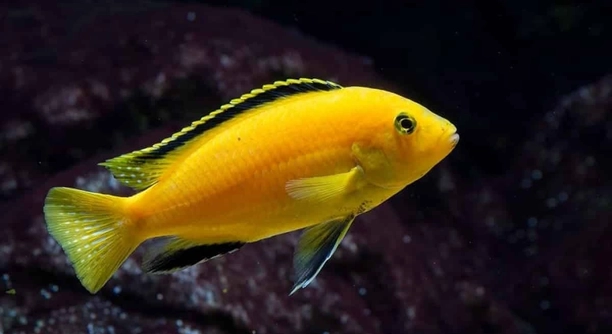
Is your peaceful cichlid suddenly acting out and chasing tank mates for no clear reason, leaving you unsure of what changed?
Cichlids often turn aggressive due to environmental stress, territorial behavior, breeding instincts, or changes in tank conditions. These triggers disrupt their usual behavior, even in species known for being relatively peaceful under stable circumstances.
Understanding these reasons can help you prevent future aggression and maintain a balanced, healthy environment for all your aquarium fish.
Change in Tank Environment
A peaceful cichlid can react strongly to any sudden change in its surroundings. Altering the layout, removing plants or rocks, or even introducing new tank mates can trigger stress. Cichlids are territorial fish that thrive in stable environments. When their familiar territory is disrupted, they may start acting out to re-establish dominance or claim new space. A minor adjustment that seems harmless to you, like adding décor or cleaning out a favorite hiding spot, can cause your cichlid to feel threatened. In some cases, poor water quality or fluctuating temperatures may also increase aggression, especially if your fish is already sensitive.
Even small disruptions can make your cichlid feel like its space is under threat.
To avoid aggression triggered by environmental changes, make adjustments slowly. Add or rearrange items in phases rather than all at once. Keep the water parameters consistent, and monitor your cichlid’s behavior closely after any changes. Adding visual barriers like plants or rocks can help reduce line-of-sight conflicts, giving each fish its own space. If you’re introducing new tank mates, do so with care, especially in a tank where a cichlid has already established territory. These simple steps help your fish feel secure and can ease tension in the tank.
Breeding Behavior
Breeding season can cause a peaceful cichlid to become suddenly aggressive toward others in the tank.
When a cichlid prepares to breed, its behavior often changes. Even typically calm species may turn defensive or chase others away from a chosen spawning site. Males, in particular, become more territorial and may attempt to guard a section of the tank. They will also display increased activity and may nip or flare fins to warn other fish. Females, depending on the species, may also show signs of aggression, especially if they are guarding eggs or fry. These actions are instinctual and serve to protect future offspring. If you’re keeping multiple cichlids together, this can lead to fights or injuries if there isn’t enough space to separate breeding pairs from the rest of the group. Providing separate breeding areas, caves, or plants can help reduce aggressive interactions. Knowing this behavior is natural makes it easier to manage during active breeding periods.
Overcrowding in the Tank
Too many fish in one tank can lead to tension, especially for territorial species like cichlids. Limited space makes it harder for each fish to claim its area, increasing the chances of conflict and stress.
Overcrowding reduces the number of hiding places and increases competition for food and territory. Cichlids may lash out when they feel their space is being invaded, even if they were previously peaceful. The constant presence of other fish nearby can make it difficult for them to relax, especially if there’s not enough space to swim freely. Aggression may start small—chasing or fin-nipping—but can worsen over time if the tank remains crowded. Keeping fish within the tank’s capacity is important. Providing plenty of plants, rocks, or decorations helps establish boundaries and reduces constant visual contact, giving each cichlid a space of its own.
Adding too many fish too quickly also disrupts the tank’s social balance. Cichlids need time to adjust to new tank mates, and when several are added at once, it can cause confusion or challenge the current hierarchy. Some fish may react defensively or try to assert dominance. Always research compatibility between species before adding more fish. Monitor your cichlids closely after any additions and be ready to separate them if tension rises.
Poor Tank Conditions
Dirty water and unstable parameters create stress that can lead to aggression. Even peaceful cichlids may lash out when ammonia rises, oxygen levels drop, or water temperatures fluctuate beyond their comfort zone.
Fish are sensitive to their environment, and poor conditions take a toll on their behavior. When the water isn’t clean or the pH shifts outside their ideal range, cichlids become irritable. Ammonia, nitrite, and nitrate levels can spike quickly if the tank is overcrowded or the filter isn’t working properly. This leads to discomfort, and cichlids might express it through sudden bursts of aggression. Temperature swings can also affect their metabolism and mood, especially if changes happen too fast. Regular water testing is essential to catch these problems early. Keeping up with partial water changes, maintaining the filter, and checking parameters helps keep the environment steady and calm.
Stress from poor water quality doesn’t just cause aggression—it also weakens the immune system. A cichlid living in poor conditions is more likely to get sick, making them even more irritable. As their health declines, they may become less tolerant of tank mates. Some fish might start acting unpredictably, showing signs of fear or excessive dominance. Addressing water quality isn’t just about preventing disease—it’s key to maintaining peaceful behavior.
Incompatible Tank Mates
Some fish simply don’t get along with cichlids, even if they seem peaceful at first. When housed with incompatible species, your cichlid may feel threatened, cornered, or constantly challenged, which often leads to aggressive behavior.
Fast-swimming or fin-nipping fish can also irritate cichlids. Repeated disturbances may provoke defensive actions, especially if your cichlid has limited space to retreat or hide.
Lack of Stimulation
Cichlids are intelligent and curious fish that need regular stimulation. When the tank is too plain or lacks enrichment, they can become bored and restless. This frustration may cause them to chase tank mates or act out. Adding caves, rocks, or rearranging decor occasionally gives them something to explore. Live plants or moving objects like bubbles also help keep them mentally engaged. Some fish even respond well to feeding puzzles or interacting with their environment in small ways. These additions keep your cichlid occupied and reduce the chances of it becoming aggressive out of boredom or frustration.
Illness or Injury
Pain or discomfort can cause even the calmest cichlid to lash out. If aggression is new and sudden, check for signs of illness or injury.
FAQ
Can a peaceful cichlid become permanently aggressive?
Yes, it can happen. While some aggression is temporary and caused by specific triggers like breeding or stress, others may become more dominant over time. If a cichlid finds that aggression helps it secure food or territory, it may continue that behavior. Even a peaceful fish can shift its personality depending on the tank environment, hierarchy, or frequent disruptions. Once established, aggressive behavior may not go away without changes to the setup or social group. Separation or rehoming might be necessary if it begins to harm tank mates.
What should I do if my cichlid won’t stop chasing others?
Start by checking the tank’s layout. Add more hiding spaces, caves, or plants to help break lines of sight and give fish places to retreat. Next, observe if the aggression is toward one specific fish or more general. If it’s focused on one, that fish may need to be moved. If it’s general, check your water parameters, tank size, and compatibility. Sometimes aggression reduces when the aggressor is isolated for a short time and then reintroduced. If nothing improves, separating the aggressive cichlid permanently might be the best solution.
How many cichlids can I keep in one tank?
This depends on the tank size, species, and their temperament. Some cichlids are more aggressive than others and require more space. A good rule is one inch of fish per gallon, but that’s not always accurate for larger or territorial species. For example, African cichlids often do better in larger groups in a bigger tank, while South American cichlids may need more space between individuals. Research each species’ specific needs and always plan for hiding spaces. Overcrowding increases tension, but too few fish can lead to bullying of weaker individuals.
Can tank size alone prevent aggression?
Tank size is important, but it’s only one part of the solution. A spacious tank allows each cichlid to establish territory, but if the layout is too open or lacks hiding spots, aggression can still occur. Cichlids don’t just need space—they need barriers to block constant visual contact with others. Rocks, plants, and decorations help break up space and reduce competition. Also, if incompatible fish share the tank, even a large setup won’t stop tension. So while size helps, it must be paired with good tank design and compatible tank mates.
Why is my cichlid aggressive only at feeding time?
Feeding can trigger territorial behavior or food guarding, especially in dominant fish. If food is scattered unevenly or if the feeding spot is small, one fish might try to control it. This can lead to pushing, nipping, or chasing. To reduce this behavior, feed in multiple areas or use sinking pellets that spread out naturally. You can also feed a larger variety of foods to keep them engaged. Some cichlids calm down once they know food comes regularly, so consistency in feeding times helps reduce stress-driven aggression.
Do cichlids calm down as they age?
Some do, but not all. Young cichlids can be more energetic and test boundaries, while mature ones may become more territorial or protective. However, with age, some aggressive behaviors may decrease if the fish has a stable environment and no triggers. It’s very individual—some mellow out, while others become more assertive. The environment, tank mates, and even past experiences shape their long-term behavior. Watching their patterns over time helps you predict what to expect as they grow.
Is aggression always a sign something is wrong?
Not always. Some aggression is natural, especially during breeding or territory defense. But sudden or extreme aggression usually means something in the tank has changed—space, water quality, stress, or health. Even peaceful cichlids have moments of dominance. The key is knowing what’s normal for your fish and acting when things seem off. If fights are frequent, or if injuries appear, it’s time to investigate and make changes. Regular observation is the best way to catch problems before they grow.
Final Thoughts
Aggression in cichlids is more common than many fish keepers expect, even in species known to be peaceful. It can be caused by a range of factors, including tank conditions, stress, overcrowding, or changes in environment. Sometimes the reason is temporary, such as breeding behavior or adjusting to a new tank mate. Other times, it may be linked to more serious issues like illness or poor water quality. Recognizing the source of the aggression is key to solving it. A peaceful cichlid that suddenly becomes aggressive is often trying to react to something it cannot control. Paying close attention to their behavior can help you notice small changes early and make adjustments before things get worse.
A calm and well-managed tank gives your cichlids a better chance to live peacefully with others. This means keeping water conditions stable, choosing tank mates carefully, and making sure there is enough space for each fish to feel secure. Adding hiding spots, plants, and rocks allows them to claim their own space and reduces conflict. Feeding routines should be regular and spaced out so that one fish does not dominate the food. Aggression is often easier to prevent than to stop once it begins. When things are kept consistent, and stress is reduced, even the more dominant cichlids tend to relax. The key is balance—enough space, enough cover, and a calm environment.
Every cichlid has a unique personality, and some will always be more assertive than others. It’s not about forcing them to behave a certain way but about setting up the tank in a way that encourages natural behavior without constant conflict. Even if aggression does occur, it can usually be managed with careful planning and small changes. Watching your fish closely, understanding their signals, and responding with the right adjustments can make a big difference. With time, experience, and patience, you’ll learn what works best for your tank. Peaceful behavior is possible, even for fish that sometimes act out. A steady, low-stress environment helps your cichlids stay healthy, active, and easier to live with—both for their tank mates and for you.

Hello,
If you enjoy the content that we create, please consider saying a "Thank You!" by leaving a tip.
Every little bit helps us continue crafting quality advice that supports the health, happiness, and well-being of pets around the world, for pets of all shapes, sizes, and species.
We really appreciate the kindness and support that you show us!