
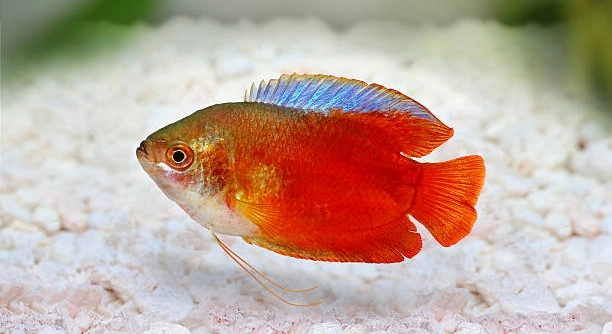
Keeping gouramis in home aquariums can be rewarding, but sometimes these fish act skittish without warning. Sudden changes in behavior can leave owners puzzled and concerned about the health and comfort of their aquatic pets.
Gouramis may become suddenly skittish due to environmental stressors, water quality issues, sudden movements, illness, overcrowding, incompatible tank mates, or changes in lighting. Each factor can significantly affect their behavior and overall well-being, requiring careful observation and intervention.
Identifying the cause of skittish behavior is crucial for maintaining a calm, healthy tank environment for your gouramis and preventing further stress or illness.
Sudden Changes in Water Conditions
Gouramis are very sensitive to their environment. A sudden shift in temperature, pH, or water hardness can make them act nervous or hide frequently. Even small changes, like adding new water without proper acclimation, can trigger stress. Maintaining stable water parameters is essential for their comfort. High ammonia or nitrite levels may also cause panic responses. If water conditions fluctuate, gouramis may dart around or cling to corners, appearing skittish. Regular testing and gradual adjustments help keep them calm. Observing your fish closely after any change can help detect stress early. Even changing decorations or moving the tank slightly can be unsettling for them. Providing a consistent environment with familiar hiding spots allows gouramis to feel secure. Gentle filtration and steady temperature management reduce unexpected shocks. Understanding their sensitivity to water changes can prevent behavioral problems. Keeping a log of water tests and adjustments makes it easier to notice trends affecting your fish. Stability is key to a relaxed aquarium.
Sudden water changes create immediate stress for gouramis, often triggering erratic swimming, hiding, or rapid breathing as they struggle to adapt.
Long-term effects of fluctuating water conditions can be serious. Stress weakens their immune system, making them more prone to illness. Even minor changes in temperature or chemical balance can disrupt their natural behavior, causing them to avoid feeding or interacting normally. To prevent problems, it’s important to introduce water changes gradually. Use a heater or cooler to stabilize temperatures and test water for pH, ammonia, and nitrite levels. Adding dechlorinator helps reduce chemical shock. Observing behavior before and after changes gives clues about how your gouramis respond. Providing stable hiding spots, gentle filtration, and minimal disturbances allows them to feel safe. Keeping the tank environment consistent not only improves behavior but also supports overall health. Regular maintenance and attention to water quality can prevent skittish behavior and encourage active, confident fish. By addressing water stability proactively, you create an environment where gouramis thrive, rather than react in fear.
Overcrowding and Tank Mates
Overcrowding causes gouramis to become anxious quickly. Too many fish in a tank limits space and increases competition, making them skittish.
Too many fish lead to constant chasing and territorial disputes. Gouramis may hide or dart around when stressed by aggressive or incompatible tank mates. Proper stocking and compatible species prevent these issues. Adjusting tank population can restore calm behavior.
Overcrowding can impact both behavior and health. Gouramis need space to swim freely and establish territories. When a tank is overcrowded, stress levels rise, triggering skittish actions like rapid swimming, sudden retreats, and erratic movements. Aggressive or territorial species in the same tank may aggravate this stress. Even peaceful species can overwhelm gouramis if space is insufficient. Providing plants, hiding spots, and clear boundaries helps reduce tension. Monitoring interactions among fish allows timely intervention before conflicts escalate. Regularly assessing tank population ensures each fish has room to thrive. Selecting compatible species and avoiding overstocking minimizes behavioral problems. By giving gouramis a comfortable space, you support calm, healthy behavior and reduce stress-related illnesses. Maintaining proper tank size and community dynamics is essential for their well-being.
Sudden Movements or Loud Noises
Gouramis react strongly to sudden movements near the tank. Quick hand motions, tapping, or loud noises can startle them instantly.
These fish rely on calm surroundings to feel secure. Even a shadow across the tank or someone leaning over quickly can trigger frantic swimming or hiding. Over time, repeated disturbances may increase their anxiety, making them jumpy throughout the day. Keeping movement around the aquarium slow and predictable helps them stay relaxed. Positioning the tank in a quiet area reduces stress from external noise. Covering part of the tank or placing decorations strategically can also provide refuge when they feel threatened. Reducing sudden disruptions allows gouramis to regain confidence and behave naturally in their environment.
Persistent disturbances may affect feeding habits. Gouramis might retreat when food is added or avoid interacting with tank mates. Prolonged stress can lead to weaker immunity and slower growth. Ensuring a calm, consistent routine around the tank creates a safe environment. Using soft lighting and minimizing vibrations supports their comfort. Gradually acclimating them to household activity allows them to adapt without panic. Monitoring their reactions and adjusting the surroundings accordingly ensures long-term well-being. Over time, these measures significantly reduce skittish behavior.
Illness and Parasites
Illnesses can make gouramis act nervous and avoid open areas. Parasites or infections affect their energy levels and responsiveness.
Common illnesses include fin rot, bacterial infections, or external parasites like ich. Infected fish may hide, dart, or scratch against surfaces. Early detection and treatment improve recovery chances. Observing physical changes alongside behavioral shifts helps identify health issues quickly.
A sick gourami often shows multiple warning signs, including clamped fins, faded colors, rapid gill movement, or lethargy. Parasites can irritate their skin, causing erratic swimming or frequent hiding. Water quality issues can worsen the problem, increasing vulnerability. Treatment varies depending on the condition; for parasites, medication and tank cleaning are essential. Isolating affected fish prevents spreading illness to other tank mates. Maintaining optimal water parameters and hygiene reduces the risk of infection. Regular observation allows you to respond quickly to subtle changes in behavior. Addressing illness promptly improves survival rates and helps gouramis regain normal activity patterns.
Changes in Lighting
Sudden changes in lighting can unsettle gouramis. Bright lights or flickering bulbs may cause them to hide or swim erratically.
Maintaining a consistent light schedule helps them feel secure. Gradual transitions between light and dark periods reduce stress and encourage normal activity patterns in the tank.
Incompatible Tank Mates
Aggressive or overly active fish can make gouramis nervous. Territorial species may chase or nip, forcing gouramis to hide frequently.
Choosing peaceful, compatible tank mates minimizes conflict. Observing interactions regularly and separating aggressive fish when necessary ensures a calm and balanced environment for all residents.
Overfeeding or Improper Diet
Overfeeding can lead to poor water quality and stress. Uneaten food decomposes, raising ammonia levels and prompting skittish behavior.
Providing measured portions and a balanced diet keeps gouramis healthy. Regularly removing leftover food supports water stability, reducing sudden anxiety or nervous movements in the tank.
Why is my gourami suddenly hiding all the time?
Gouramis hide frequently when they feel stressed or threatened. Sudden changes in water conditions, aggressive tank mates, or loud disturbances can trigger this behavior. Providing stable water, calm surroundings, and plenty of hiding spots encourages them to feel safe and return to normal activity.
What can I do if my gourami is darting around the tank?
Darting often indicates stress or fear. Check for water quality issues, sudden temperature changes, or overcrowding. Ensuring consistent conditions, gentle water flow, and compatible tank mates helps reduce erratic swimming. Observing the tank closely allows early intervention before the behavior worsens.
Could my gourami be sick if it’s skittish?
Yes, illness can make gouramis appear nervous or avoid open areas. Common issues include parasites, bacterial infections, and fin rot. Look for physical signs like clamped fins, faded colors, or rapid gill movement. Early detection and treatment improve recovery and prevent spreading illness.
How do water changes affect my gourami’s behavior?
Rapid or large water changes can shock gouramis, causing hiding, darting, or erratic swimming. Gradual water replacement, temperature matching, and proper dechlorination help them adjust without stress. Consistent water maintenance maintains stability and reduces skittish reactions.
Can lighting cause my gourami to act nervous?
Yes, sudden bright lights or flickering bulbs can startle gouramis. Consistent lighting schedules with gradual transitions between light and dark periods make them feel secure and reduce anxious behavior. Adding plants or decorations gives additional shelter under bright light.
Do tank decorations influence skittish behavior?
Decorations can either calm or stress gouramis. Adequate hiding spaces provide security, while sharp or overcrowded ornaments can increase fear. Arranging plants and décor to create natural shelters helps gouramis feel safe and reduces panic responses.
How important is tank size for calm gouramis?
Tank size directly affects behavior. Overcrowded tanks limit swimming space, increase territorial disputes, and heighten stress. Ensuring enough space for each fish and providing clear territories helps gouramis move freely and feel confident in their environment.
Could overfeeding make my gourami nervous?
Overfeeding leads to leftover food that decomposes, harming water quality and increasing stress. Feeding small, balanced portions and removing uneaten food promptly keeps water clean, supports health, and reduces sudden skittish behavior.
Are sudden noises near the aquarium harmful?
Yes, loud sounds or quick movements near the tank can startle gouramis, causing them to hide or swim erratically. Positioning the aquarium in a quiet area and moving gently around it helps maintain a calm atmosphere.
How do I know if my gourami is adjusting to new tank mates?
Monitor interactions over several days. Peaceful coexisting without chasing, nipping, or constant hiding indicates adjustment. If aggressive behavior persists, consider separating incompatible fish to reduce stress and allow gouramis to regain normal behavior.
Can stress from multiple factors combine to make gouramis skittish?
Absolutely. Factors like poor water quality, incompatible tank mates, loud noises, and rapid lighting changes can overlap, amplifying nervous behavior. Observing the tank holistically and addressing all stressors helps gouramis feel secure and behave naturally.
Is it normal for gouramis to have brief skittish episodes?
Short periods of nervous behavior can be normal if caused by mild, temporary disturbances. Consistent or prolonged skittishness signals an underlying issue that needs attention, such as illness, environmental instability, or incompatible tank mates.
How often should I monitor my gourami’s behavior?
Daily observation is ideal. Tracking swimming patterns, hiding habits, feeding response, and interactions with other fish helps detect changes early. Prompt action on observed stressors or illness improves long-term health and reduces nervous behavior.
Can adding plants or hiding spots really calm my gourami?
Yes, plants, caves, and decorations create secure zones where gouramis can retreat. These refuges reduce stress from other fish or environmental changes and encourage natural, relaxed behavior. Strategically placing them throughout the tank supports confident, comfortable fish.
How long does it take for a skittish gourami to settle down?
The time varies based on the cause. Minor disturbances may resolve within hours or days, while illness or environmental stress can take weeks. Consistent care, stable water, proper diet, and a calm environment speed recovery and help gouramis regain normal behavior.
Gouramis are sensitive fish that respond quickly to changes in their environment. Their skittish behavior is often a signal that something is off, whether it is water quality, tank conditions, or interactions with other fish. Observing your gouramis closely can help you identify patterns in their behavior and recognize when adjustments are needed. Small changes in water temperature, pH, or lighting can create stress, and repeated disturbances may make them appear constantly nervous. Providing a calm, stable environment allows gouramis to feel secure, which encourages natural behavior and improves overall health. Consistent care and attention to their surroundings are key to keeping them comfortable and reducing sudden anxiety.
Proper tank setup plays an important role in reducing skittish behavior. Overcrowded tanks or incompatible tank mates can make gouramis feel threatened and cause frequent hiding or erratic swimming. Creating clear territories and providing hiding spots helps them feel protected. Even subtle aspects of the tank, such as the placement of decorations or plants, can influence their comfort. Gradual changes to their environment, like slow water adjustments and consistent lighting schedules, reduce sudden stress responses. Feeding a balanced diet and maintaining water quality also contribute to calmer, healthier fish. By combining these elements, you can create a space where gouramis feel safe and thrive.
Monitoring health is equally important. Illness and parasites can make gouramis unusually skittish or hide more than usual. Signs like clamped fins, faded colors, or rapid gill movement should be addressed quickly to prevent serious issues. Early detection and proper treatment can help them recover faster and return to normal behavior. Regular observation, along with careful management of water quality, tank population, and surroundings, allows you to maintain a stable and comfortable habitat. Paying attention to these factors not only reduces sudden nervous behavior but also supports long-term well-being. Over time, gouramis in a well-maintained tank will become more confident and exhibit natural, relaxed activity, making their care a more rewarding experience.

Hello,
If you enjoy the content that we create, please consider saying a "Thank You!" by leaving a tip.
Every little bit helps us continue crafting quality advice that supports the health, happiness, and well-being of pets around the world, for pets of all shapes, sizes, and species.
We really appreciate the kindness and support that you show us!