
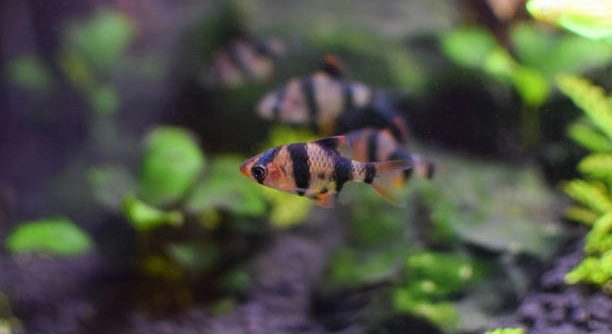
Barbs are lively fish often admired for their bright colors and active swimming. Sometimes, they suddenly spend most of their time hiding instead of exploring the tank. This behavior can be concerning for owners who want their fish to stay healthy and happy.
A barb might hide all day due to stress, poor water quality, illness, sudden changes in environment, bullying from tank mates, lack of proper hiding spots, or inappropriate tank conditions. Each factor can significantly impact the fish’s comfort and well-being.
Knowing these common reasons helps in creating a better environment for your barb and ensures it feels safe and secure in its home.
Stress and Its Impact on Barbs
Stress is a major reason why barbs might hide for long periods. Changes in their environment, such as a new tank setup or new tank mates, can unsettle them. Loud noises or sudden movements near the aquarium also add to their stress. When barbs feel threatened or unsafe, they tend to seek shelter to avoid harm. This hiding behavior helps them feel protected until they calm down. Stress weakens their immune system, making them more vulnerable to illness. Reducing stress by maintaining a calm, stable environment helps barbs feel more secure and encourages them to be active and social. Observing your tank’s daily routine and making adjustments when necessary can greatly improve your barb’s comfort.
Stress affects barbs by making them less active and more prone to illness, leading to prolonged hiding behavior in the tank.
Keeping a consistent environment with minimal disruptions is key. Providing plenty of plants and hiding spots offers barbs a safe place to retreat without complete isolation. Gentle tank maintenance and avoiding overcrowding help reduce stress levels. Over time, a less stressful setting encourages barbs to be more visible and interactive.
Water Quality and Tank Conditions
Poor water quality can cause barbs to hide all day. High levels of ammonia, nitrites, or nitrates stress fish and harm their health. Barbs need clean, well-filtered water with stable temperature and pH levels. Unclean water leads to discomfort and illness, prompting fish to stay hidden. Regular water testing and partial water changes prevent buildup of harmful substances. Proper filtration and aeration keep water oxygen-rich, which is essential for barb activity.
If water conditions are not maintained, barbs will retreat to hiding spots to avoid discomfort or disease.
Water quality directly influences barb behavior and health. When water parameters shift suddenly, barbs may become lethargic and hide to protect themselves. Testing kits allow monitoring of ammonia, nitrites, nitrates, and pH, ensuring levels stay within safe ranges. Weekly water changes reduce toxins and refresh the environment. Overfeeding should be avoided as uneaten food decays and pollutes the tank. Clean substrate and plants also help keep water conditions balanced. In tanks with multiple fish, good filtration is critical to handle waste. Consistent maintenance creates a stable home, reducing hiding tendencies and promoting overall well-being for your barbs.
Illness and Disease
Barbs often hide when they are sick. Illness weakens them, and hiding helps reduce stress.
Signs of illness include clamped fins, lack of appetite, and unusual swimming patterns. Many diseases make fish less active and cause them to seek shelter. Early detection is key to treatment and recovery. Quarantining new fish before adding them to the tank helps prevent spreading diseases. If your barb hides more than usual, check water conditions and look for symptoms. Consult a vet or fish expert to diagnose and treat problems promptly.
Illnesses like ich, fin rot, and bacterial infections are common in barbs. These infections thrive in poor water conditions or when the immune system is weakened. Proper tank maintenance and prompt care reduce the risk of disease.
Bullying by Tank Mates
Barbs may hide when bullied by other fish. Aggressive tank mates intimidate them, forcing them to stay hidden.
Bullying happens when stronger fish chase or nip at barbs. This causes stress and fear, making the barb avoid open areas. Overcrowding increases aggression as fish compete for space and food. Separating aggressive species or rearranging the tank layout can reduce conflicts. Providing plenty of hiding places also helps barbs feel safer. Watching fish interactions closely allows timely action to protect shy or weaker barbs from harm. Creating a peaceful community tank promotes healthier, more active fish.
Lack of Hiding Spots
Barbs need places to hide to feel safe. Without enough shelter, they may stay hidden in whatever spots they find.
Providing plants, caves, or decorations gives barbs areas to retreat when stressed. This makes them feel secure and more likely to explore the tank.
Sudden Changes in Environment
Barbs react strongly to sudden changes like moving the tank, new decorations, or new fish. These changes can cause them to hide until they adjust. Maintaining stability and making changes slowly helps barbs feel safe and lowers their stress levels.
Inappropriate Tank Conditions
Too small or overcrowded tanks force barbs to hide. They need enough space to swim freely and establish territories. Overcrowding increases stress and aggression, causing more hiding behavior.
FAQ
Why does my barb hide even though the tank looks fine?
Sometimes, barbs hide because of stress or minor changes you might not notice, like a sudden noise or a new scent in the room. Even if the water looks clear, small shifts in temperature, lighting, or the behavior of other fish can make barbs feel unsafe. They use hiding as a way to protect themselves until they adjust to the situation.
How long will a barb hide if it is stressed or sick?
The hiding time depends on the cause. If stress is the issue, barbs might hide for a few hours to several days, gradually becoming more active once the environment stabilizes. If the fish is sick, hiding can last longer until it receives treatment or recovers. Monitoring the fish closely helps you know when to act.
Can changing the tank decorations help my hiding barb?
Yes, rearranging or adding decorations can help. New plants, caves, or hiding spots offer comfort and reduce stress. However, avoid making big changes all at once, which can cause more hiding. Gradual adjustments give barbs time to get used to the new setup.
Is it normal for barbs to hide during the day?
Barbs are usually active fish, but they might hide during the day if they feel threatened or uncomfortable. Nighttime hiding is common, but daytime hiding signals there might be a problem, such as bullying, poor water quality, or illness. Check these factors if your barb hides often during daylight hours.
How do I know if my barb is sick?
Look for signs like clamped fins, faded colors, slow movement, or spots on the body. A sick barb may stop eating and spend most of its time hiding. These signs, combined with hiding, often indicate illness, and prompt action is necessary to treat the fish.
What water conditions are best for barbs to prevent hiding?
Barbs thrive in clean water with temperatures between 74-79°F (23-26°C), a pH of 6.5-7.5, and low ammonia and nitrite levels. Keeping the tank well-filtered and performing regular water changes reduces stress and encourages barbs to swim openly rather than hide.
Can tank mates cause my barb to hide?
Yes, aggressive or larger fish may bully barbs, causing them to hide to avoid harm. Choosing peaceful tank mates and avoiding overcrowding helps reduce aggression. Providing hiding spots also allows barbs to escape from aggressive behavior safely.
How often should I clean my barb’s tank to reduce hiding?
Cleaning the tank weekly or biweekly, depending on its size and population, helps maintain good water quality. Removing uneaten food and waste prevents harmful toxins that stress fish. Consistent maintenance keeps barbs healthy and more active in the open.
Will my barb stop hiding if I improve tank conditions?
Improving water quality, reducing stress, and providing hiding spots usually encourages barbs to come out more. However, some fish are naturally shy and may take longer to adjust. Patience and consistent care are important to help your barb feel secure.
Is overcrowding a common cause of hiding behavior?
Overcrowding stresses fish and increases competition for food and space. This often leads to hiding as barbs try to avoid conflict. Keeping a balanced number of fish in the tank promotes a peaceful environment where barbs feel comfortable swimming freely.
Should I isolate a hiding barb?
Isolating a sick fish can help prevent disease spread and reduce stress from tank mates. Use a quarantine tank if possible. However, healthy barbs that hide due to stress usually do better in a peaceful, well-maintained community tank with plenty of hiding places.
Can poor diet cause hiding in barbs?
A poor diet weakens fish and makes them less active. If a barb isn’t eating well, it might hide more. Feeding a varied, nutritious diet tailored for barbs supports their health and energy, helping them stay visible and active.
How can I reduce bullying in a community tank?
Choose compatible fish species with similar temperaments. Provide ample space and hiding spots to reduce competition. Observe fish interactions and separate aggressive individuals when needed. Creating a calm environment reduces hiding and promotes healthy social behavior among barbs.
Barbs hiding all day can be a sign that something in their environment needs attention. It is important to remember that hiding is a natural behavior for fish when they feel stressed, scared, or unwell. By paying close attention to your barb’s behavior and tank conditions, you can better understand why they might be hiding and take steps to help them feel safe again. Small changes such as improving water quality, adding hiding spots, or reducing stress from other fish can make a big difference in their comfort and activity levels.
Maintaining a clean and stable tank environment is one of the most effective ways to encourage your barb to spend more time swimming and less time hiding. Regular water testing and changes help keep harmful chemicals like ammonia and nitrites at safe levels. Providing enough space and hiding places allows barbs to retreat when they need to, but also to explore freely when they feel secure. Avoid sudden changes to the tank setup or introducing new fish without proper quarantine to reduce stress. Paying attention to these details supports the overall health of your barb and helps prevent illnesses that cause hiding behavior.
If your barb continues to hide despite your efforts, it may be a sign of illness or bullying from tank mates. In such cases, monitoring for other symptoms and separating aggressive fish can protect your barb from harm. Sometimes, medical treatment might be necessary if the fish is sick. Patience and careful observation are key, as barbs can take time to adjust to changes or recover from health issues. Understanding why your barb hides and responding appropriately will help create a calm, healthy tank where your fish can thrive and show their natural, active behavior.

Hello,
If you enjoy the content that we create, please consider saying a "Thank You!" by leaving a tip.
Every little bit helps us continue crafting quality advice that supports the health, happiness, and well-being of pets around the world, for pets of all shapes, sizes, and species.
We really appreciate the kindness and support that you show us!