
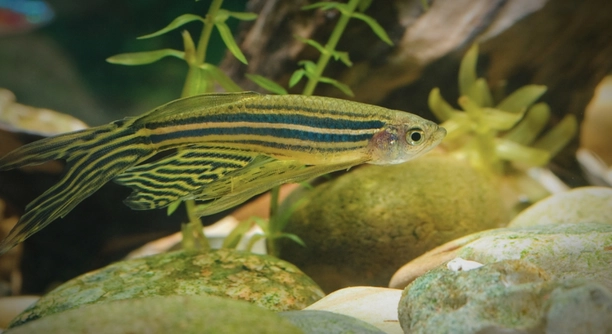
Have you ever watched your zebra danios act strangely after loud noises and wondered what exactly is going on in their tank?
Zebra danios respond to stressful noise with a range of behaviors, including erratic swimming, sudden hiding, reduced feeding, and increased aggression. These reactions stem from their acute sensitivity to sound vibrations and environmental changes within their aquatic surroundings.
Each reaction can tell you something about their comfort level and overall well-being in your aquarium setup.
Erratic Swimming and Darting Movements
When exposed to loud or sudden noises, zebra danios may begin darting rapidly around the tank. These quick, unpredictable movements are signs of alarm and stress. This behavior is triggered by their acute hearing and sensitivity to vibrations in the water. It’s a defense mechanism, as though they are trying to flee from a perceived threat. You might also notice them bumping into tank walls or decorations, which can lead to minor injuries or exhaustion. Constant darting may cause further stress, especially in tanks with limited hiding spaces. If this continues, the fish could become more anxious over time, possibly leading to long-term health issues. Maintaining a quiet environment and placing the tank away from noisy areas can help reduce these reactions. Avoid tapping the glass or using loud equipment near the aquarium. A calm, steady environment keeps your zebra danios active but not overstimulated.
Zebra danios need calm surroundings to feel safe, and sudden changes can easily make them panic.
Try to create a tank setup that absorbs or deflects external sounds, like using background panels or covering parts of the tank with a soft cloth. Make sure your filter, air pump, and other equipment aren’t creating unnecessary noise inside the water. Choose quieter brands if needed. A stressed fish can become sick more easily, so the quieter the tank, the healthier your danios will be. If you have kids or pets near the tank, try to set some space boundaries. You don’t have to make the room completely silent, but consistent, gentle noise levels help prevent that panicked darting that zebra danios do when they feel unsafe. Over time, you’ll notice they move with more ease and interact naturally in their environment.
Hiding for Long Periods
Zebra danios will often retreat behind plants, rocks, or decorations when startled by noise.
Hiding is a natural response, but if your danios stay hidden for too long, it might signal deeper stress. In a healthy tank environment, these fish are usually lively and social. Prolonged hiding may mean they don’t feel secure. When noise is consistent or overwhelming, they’ll isolate themselves for safety. Make sure your tank has plenty of low-light areas and hiding spots so they feel protected when needed. Still, balance it out so they can swim freely once they’re ready. Also, check that tank mates aren’t compounding the stress by being too aggressive. Keep lighting soft and avoid sudden flashes or bright lights. Some aquarists play soft ambient sounds in the room to mask loud noises outside. Your goal is to reduce startle responses, and over time, they’ll start coming out more often and behaving with confidence. Building trust with their environment takes time.
Reduced Appetite and Feeding Behavior
Zebra danios may ignore food entirely when they’re stressed from loud noises. This change in appetite can show up right away or develop gradually over several days. Watch for uneaten flakes or pellets collecting in the tank.
Stress can affect the eating habits of zebra danios more than you might think. These fish normally feed actively at the surface, but when stressed, they often hang back or avoid food altogether. If you notice them swimming near the bottom during feeding time or showing little interest, it’s usually a sign that something is off. Try to offer food at the same time each day to maintain a predictable routine. Also, remove any uneaten food quickly to prevent water quality issues, which can worsen their stress. Give them a few days to settle if the noise has been recent—appetite usually returns once things calm down.
They may not recognize food as a priority if they feel threatened or uncomfortable. Keep your tank setup as consistent as possible—avoid moving things around too much or changing their feeding schedule. Stick to familiar foods, especially if you’ve recently introduced new brands. Loud background sounds from TVs, speakers, or housework might overwhelm them. Over time, this stress builds up and impacts their digestion, too. You’ll want to monitor their eating for a few days after any noise event. If they still aren’t eating after that, check for signs of illness. Sometimes stress masks early symptoms of disease, so being alert can help catch problems early. Healthy danios should respond quickly when food is offered, so any sluggishness is worth noting.
Increased Aggression Toward Tank Mates
Some zebra danios may lash out at tank mates when they’re overwhelmed by noise. You might notice chasing, fin nipping, or territory guarding behaviors—especially in smaller tanks where space is limited.
Aggression in zebra danios isn’t always about dominance—it’s often stress-driven. When the environment becomes unpredictable, like with constant loud noises, they become more reactive. Smaller tanks or poor layouts can increase this behavior, since there’s less room to escape tension. Try adding more plants or décor to break up open space and give fish more visual barriers. This helps reduce direct confrontations. Also, make sure group sizes are right. Zebra danios do best in schools of six or more—anything smaller can cause instability and stress. If one fish is consistently aggressive, consider isolating it for a few days in a breeding box within the tank. That short break can help reset their behavior and allow the group to stabilize.
Disrupted Schooling Behavior
Zebra danios are schooling fish, and when they’re stressed by noise, you’ll often see them swimming apart instead of in a group. This scattered movement is a signal that they’re feeling unsafe or overwhelmed in their environment.
When their usual pattern breaks, it’s best to look at recent changes. Stressful sounds can interrupt the natural bond that keeps them swimming together. A scattered group often shows they’re trying to seek safety alone, rather than relying on the group’s comfort. This behavior usually settles once noise levels drop and the tank feels predictable again.
Gasping or Hovering Near the Surface
Stress caused by loud or constant noise can lead zebra danios to hover near the surface or appear to gasp. This behavior might look like a sign of poor oxygen levels, but it’s often stress-related. The noise raises their alertness and increases their breathing rate, even when water conditions are normal. Over time, this can wear them out. Make sure your tank has good surface agitation to maintain oxygen levels, especially during noisy events. If this behavior continues, test the water to rule out any additional stressors. A quieter room setup and gentle lighting can also make a difference.
Color Fading
When under stress, zebra danios may lose some of their usual color vibrancy. Their stripes may appear dull or faded.
FAQ
What are the most common signs of stress in zebra danios?
The most noticeable signs of stress in zebra danios include erratic swimming, hiding, reduced appetite, and aggression toward tank mates. They might also hover near the surface or swim in circles, showing they’re struggling with their environment. Faded colors and changes in behavior, like darting or gasping, are also common.
How can I reduce stress caused by noise in my aquarium?
To reduce noise-related stress, try to place your tank in a quiet area away from high-traffic zones. Keep the tank free from loud machinery, like washing machines or televisions. Use soundproofing materials around the tank, such as foam or acoustic panels, to absorb external noise. Also, avoid tapping on the glass, which can startle your fish.
Can zebra danios adapt to a noisy environment over time?
Zebra danios may eventually become accustomed to moderate, consistent noise. However, sudden loud noises can always cause stress. If the noise is unavoidable, try to introduce background sounds slowly, like soft music or white noise, to help them adjust without causing alarm.
Should I separate aggressive zebra danios from others?
If one zebra danio becomes too aggressive and is causing harm to others, it’s best to separate them temporarily. You can use a breeding box or create a divider in the tank. Once the aggressive fish calms down, it can rejoin the group.
Is it okay to add new zebra danios to a stressed tank?
Introducing new zebra danios to a tank with already stressed fish may cause more tension. The existing fish will likely feel more threatened, which can lead to increased aggression and stress. It’s better to allow the tank to stabilize first, then add new fish gradually.
How do I know if my zebra danios are stressed or sick?
Stress and illness can have similar symptoms, but stress is usually triggered by environmental factors like loud noises, sudden changes in water conditions, or overcrowding. Sick zebra danios may show signs like faded color, lethargy, or swelling, while stressed fish tend to hide more or swim erratically. If the behavior doesn’t improve once the stressor is removed, check for any other signs of illness.
Can loud noises affect zebra danios long-term?
Yes, consistent exposure to loud noises can negatively impact zebra danios in the long term. Chronic stress may weaken their immune systems, leading to a higher risk of disease. It can also cause behavioral problems, like increased aggression or poor feeding habits, if not addressed.
How do I know if my zebra danios are still stressed after a noise event?
After a noise event, observe how they behave for a few days. If they resume normal schooling, eat well, and swim without erratic movements, they’re likely no longer stressed. However, if they continue to hide, swim in circles, or avoid food, the stress might still be affecting them.
Can stress affect the reproductive health of zebra danios?
Yes, stress can interfere with the reproductive health of zebra danios. Stressful conditions may cause them to stop breeding or produce fewer eggs. Over time, chronic stress can lead to infertility or reduced egg viability, making it harder for them to reproduce in the future.
How often should I check for stress-related signs in my zebra danios?
It’s a good idea to check for signs of stress in your zebra danios regularly, especially after any significant changes in the environment. New tank setups, changes in water temperature, or loud noise events may trigger stress, so monitor them closely during these times. If the tank is stable, weekly checks should be sufficient.
Can temperature changes cause stress in zebra danios?
Yes, temperature fluctuations can cause significant stress to zebra danios. These fish prefer a stable temperature range between 65-75°F (18-24°C). Sudden changes in water temperature can disrupt their metabolism and cause erratic behavior, reduced feeding, or even illness. Keep the tank heater steady and avoid placing the tank near windows or heaters where temperature changes are frequent.
What is the best way to maintain a calm environment for zebra danios?
To keep your zebra danios calm, ensure they have a stable and quiet environment. Avoid sudden changes in water conditions, and keep noise levels low. A well-maintained filtration system, soft lighting, and plenty of hiding spaces can help them feel secure. Regular water changes and maintaining a stable temperature also promote a stress-free environment.
Can zebra danios live with other fish in a community tank?
Zebra danios generally do well in community tanks with other peaceful species. However, they may become stressed if housed with aggressive or overly large fish. Make sure the tank mates are compatible in size and temperament to avoid unnecessary stress and aggression.
Final Thoughts
Zebra danios are hardy and adaptable fish, but they can be quite sensitive to stress. Loud noises are one of the most common stressors for these fish, affecting their behavior, eating habits, and overall well-being. While they may be able to tolerate mild background noise over time, sudden and frequent loud sounds can disrupt their natural behavior. Recognizing the signs of stress in your zebra danios is crucial for maintaining their health and happiness. Whether it’s changes in swimming patterns, color fading, or erratic movement, keeping an eye on their actions will help you identify any stress-related issues early on.
Creating a calm and stable environment for your zebra danios is essential to prevent stress from becoming a long-term problem. Keeping the tank in a quiet area, away from loud appliances or busy areas, can significantly reduce the risk of noise-related stress. If you are unable to avoid noise, consider adding soundproofing measures like foam or acoustic panels to absorb the sound. Furthermore, ensuring that water conditions such as temperature, pH, and oxygen levels remain consistent is key to keeping your fish healthy and stress-free. Regular water changes and proper filtration systems will help maintain the overall quality of the tank, which will also reduce stress levels in your fish.
Understanding your zebra danios’ needs and providing them with a peaceful environment will help them thrive. While it’s not always possible to eliminate all stressors, making small adjustments to their surroundings can go a long way in improving their quality of life. By monitoring their behavior closely, maintaining their tank environment, and providing a stable, low-stress habitat, you’ll ensure that your zebra danios live long, happy, and healthy lives. Their active and colorful nature makes them a joy to have as pets, and keeping them stress-free will allow them to enjoy their full potential.

Hello,
If you enjoy the content that we create, please consider saying a "Thank You!" by leaving a tip.
Every little bit helps us continue crafting quality advice that supports the health, happiness, and well-being of pets around the world, for pets of all shapes, sizes, and species.
We really appreciate the kindness and support that you show us!