
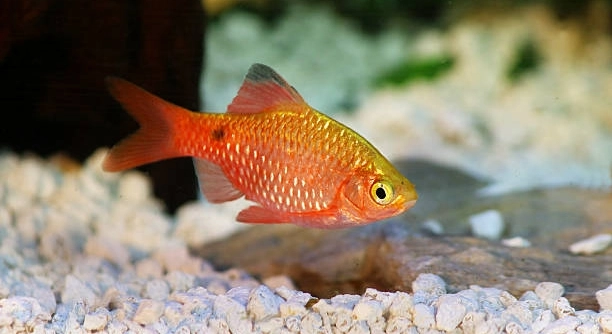
New Rosy Barb tanks often bring lively and unexpected moments that keep fishkeepers engaged. These colorful fish display a variety of behaviors as they settle into their new environment. Observing these reactions can offer insight into their health and comfort.
In a new Rosy Barb tank, seven common reactions typically appear: cautious exploration, schooling behavior, occasional hiding, feeding eagerness, territorial displays, interaction with tank mates, and gradual acclimation to the surroundings. These behaviors indicate their adjustment process and wellbeing.
Recognizing these signs early helps maintain a healthy tank environment and promotes the happiness of your Rosy Barbs. Understanding their behavior is key to successful fishkeeping and a thriving aquarium.
Cautious Exploration
When introduced to a new tank, Rosy Barbs often start by cautiously exploring their surroundings. This behavior helps them get familiar with the layout and check for any potential threats. They tend to swim slowly at first, moving from one hiding spot to another. It is common to see them pause frequently as they observe the environment. This exploration phase can last from a few hours to several days, depending on the fish’s personality and tank conditions. During this time, they may avoid other fish and remain close to plants or decorations. Providing ample hiding places helps them feel secure and reduces stress. Gradually, as they become more comfortable, their movements become more confident and active. Watching this process gives insight into their adaptation and can help in assessing whether the tank conditions are suitable for their wellbeing.
Exploration is a normal, healthy part of settling in and signals that the fish is adjusting to the new environment.
Allowing your Rosy Barbs time to explore without disturbance supports their adjustment. Avoid sudden changes or excessive handling during this phase to keep stress levels low.
Schooling Behavior
Schooling is a natural instinct for Rosy Barbs, especially in a new tank. These fish feel safer when they stick together and often swim in groups. This behavior helps them reduce stress and maintain social bonds. When they first arrive, you might notice tight groups that gradually loosen as they settle. Schooling also assists in coordinating feeding and movement, which is important in unfamiliar surroundings. The size of the group affects how they behave; larger groups tend to be more active and confident. Observing schooling patterns can help identify if any fish is isolated or stressed. Maintaining a proper group size is essential to support their social needs and overall health. Providing enough space and hiding spots encourages natural schooling without overcrowding.
Schooling indicates comfort and social stability within the tank environment.
Ensuring your tank accommodates schooling behavior contributes to the physical and emotional health of your Rosy Barbs. Consistent monitoring allows timely adjustments to group dynamics and tank setup.
Occasional Hiding
Rosy Barbs often hide when they first enter a new tank. This behavior helps them feel safe and reduces stress. They usually choose dense plants or decorations as their hiding spots.
Hiding is a natural response to unfamiliar surroundings. It allows the fish to avoid potential threats while gradually getting used to the environment. If your Rosy Barbs spend too much time hiding, it could indicate stress, poor water quality, or aggressive tank mates. Observing their hiding patterns can help you identify any problems early. Creating plenty of hiding places helps balance their need for security with the opportunity to explore and socialize. This behavior usually decreases as they become more comfortable.
Patience is key during this stage. Avoid sudden movements or loud noises near the tank. Monitoring water conditions and tankmates supports a peaceful environment where your Rosy Barbs can feel safe enough to come out and thrive.
Feeding Eagerness
Rosy Barbs typically show strong interest in food soon after introduction. They often come out quickly when feeding begins, which is a good sign of health. This eagerness reflects their comfort level and appetite.
Feeding time is a useful way to observe your Rosy Barbs’ behavior and health. Eager fish generally indicate a low-stress environment and proper nutrition. However, if some fish consistently avoid food, it may signal stress or illness. Offering a balanced diet that includes flakes, pellets, and occasional live or frozen foods supports their nutritional needs and keeps them active. Feeding small amounts multiple times a day prevents overfeeding and water quality issues.
Carefully watching feeding patterns helps identify changes in behavior or health early. Establishing a regular feeding routine encourages positive interactions and contributes to your tank’s overall harmony.
Territorial Displays
Rosy Barbs may show territorial behavior, especially males. This includes chasing or nipping at other fish to establish dominance.
Such displays are normal in new tanks as they set boundaries. Providing enough space and hiding spots helps reduce aggression and maintain peace.
Interaction with Tank Mates
Rosy Barbs generally interact well with other community fish but may challenge smaller or slower species. They communicate through swimming patterns and body language, showing dominance or submission. Proper tank size and compatible species reduce conflicts, ensuring a balanced social environment.
Gradual Acclimation
Over time, Rosy Barbs become more relaxed and confident. They spend more time swimming openly and less time hiding. This adjustment signals they feel secure in their surroundings and are ready to thrive.
Monitoring Behavior
How long does it take for Rosy Barbs to settle in a new tank?
Rosy Barbs usually take between a few days to two weeks to settle fully into a new tank. During this period, they adjust to water conditions, tankmates, and the environment. Stress levels decrease as they become familiar with their surroundings. Providing stable water parameters and hiding spots can speed this process. Keep disturbances low, and avoid sudden changes in lighting or decorations to help them adapt smoothly. If they continue to hide or show signs of stress after two weeks, checking water quality and compatibility with tankmates is recommended.
Why do Rosy Barbs hide so much initially?
Hiding is a natural defense mechanism when Rosy Barbs are introduced to a new environment. They feel vulnerable and seek shelter to avoid perceived threats. Dense plants, caves, or decorations offer safe spaces where they can feel secure. Excessive hiding might indicate stress, poor water quality, or aggressive tankmates. Monitoring tank conditions and providing ample hiding spots helps reduce this behavior. As the fish grow accustomed to the tank, hiding should decrease, and their activity levels will increase.
What does schooling behavior mean for Rosy Barbs?
Schooling is a social behavior where Rosy Barbs swim together in coordinated groups. This instinct provides safety, reduces stress, and helps with feeding and movement. A well-maintained school reflects a comfortable and stable environment. If a fish isolates itself, it might be sick or stressed. Maintaining groups of at least five Rosy Barbs encourages natural schooling and promotes their wellbeing. Observing their group patterns can give clues about tank health and social dynamics.
Are Rosy Barbs aggressive towards other fish?
Rosy Barbs can show mild aggression, especially males establishing territory or during feeding. This includes chasing or nipping at smaller or slower fish. Aggression often occurs when the tank is overcrowded or lacks sufficient hiding spots. Proper tank size, plenty of plants, and compatible tankmates help reduce conflicts. Separating overly aggressive individuals or increasing tank space may be necessary to maintain peace. Generally, Rosy Barbs do well in community tanks when conditions are balanced.
How important is feeding routine for Rosy Barbs?
A consistent feeding routine supports Rosy Barbs’ health and behavior. They respond well to small, frequent feedings of high-quality flakes, pellets, and occasional live or frozen foods. Feeding at regular times encourages activity and reduces stress. Overfeeding can pollute the water and cause health problems, so it’s best to feed only what they can consume in a few minutes. Watching their feeding behavior also helps spot any early signs of illness or stress.
What tank conditions help Rosy Barbs thrive?
Rosy Barbs prefer clean, well-filtered water with temperatures between 64°F and 72°F (18°C to 22°C). A pH range of 6.5 to 7.5 and moderate water hardness suit them best. Regular water changes and monitoring of ammonia, nitrite, and nitrate levels are essential. Providing plenty of plants, hiding places, and open swimming areas mimics their natural habitat and reduces stress. Avoid overcrowding to maintain water quality and minimize aggression.
How can I tell if my Rosy Barbs are healthy?
Healthy Rosy Barbs are active, swim confidently, and show vibrant colors. They respond quickly to feeding and interact with tankmates. Clear eyes, intact fins, and smooth scales are signs of good health. Lethargy, hiding, faded colors, or abnormal swimming may indicate illness or stress. Regular observation and maintaining good tank conditions help prevent health issues. Early detection of problems allows prompt treatment, ensuring your fish stay healthy.
Do Rosy Barbs need companions?
Yes, Rosy Barbs are schooling fish and thrive in groups of at least five. Being in a group reduces stress, encourages natural behavior, and improves their overall wellbeing. Keeping a single Rosy Barb can lead to loneliness and increased aggression. Proper group size and compatible tankmates help create a peaceful and lively aquarium environment. Make sure your tank is large enough to accommodate a school comfortably.
What signs show Rosy Barbs are stressed?
Common stress signs include hiding excessively, loss of appetite, erratic swimming, faded colors, and frequent gasping at the surface. Stress may result from poor water quality, overcrowding, aggressive tankmates, or sudden changes in the environment. Identifying stress early is crucial. Regular water testing, stable conditions, and providing a calm environment help reduce stress. Addressing the cause promptly can prevent illness and improve your fish’s quality of life.
How often should I clean a Rosy Barb tank?
Regular cleaning is important to maintain a healthy environment. Partial water changes of 20-30% weekly or biweekly help keep nitrate levels low and water fresh. Cleaning the substrate and filter media prevents debris buildup without removing beneficial bacteria. Avoid full water changes, as they can cause stress. Monitoring water parameters regularly ensures that the tank remains stable. Consistent maintenance supports Rosy Barbs’ health and reduces the risk of disease.
Final Thoughts
Starting a new Rosy Barb tank comes with many changes, both for the fish and the owner. The reactions you observe are natural and show how the fish adjust to their environment. From cautious exploration to schooling and hiding, each behavior gives insight into their comfort and wellbeing. Paying attention to these signs helps ensure that your tank supports their health and happiness. It is important to provide a stable environment with good water quality, proper tankmates, and enough space for swimming and hiding. These factors contribute to a smooth transition and help your Rosy Barbs thrive.
Managing a new tank means being patient and observant. Changes in behavior are normal during the first days and weeks, but if problems persist, it may signal issues with water conditions or tank setup. Regular testing of water parameters and proper feeding routines are key to keeping your fish healthy. Also, creating a balanced social environment by keeping a group of Rosy Barbs together prevents loneliness and reduces aggression. By maintaining these basic care practices, you give your fish the best chance to settle quickly and enjoy their new home.
Watching your Rosy Barbs become more active and confident over time is rewarding. As they adjust, their colors will brighten and their interactions with tankmates will improve. Understanding their typical reactions allows you to better meet their needs and respond to any concerns early. A well-cared-for tank becomes a peaceful and lively space where your fish can display their natural behaviors. Investing time and attention into these early stages will lead to a healthier aquarium and a more enjoyable experience for you as a fishkeeper.

Hello,
If you enjoy the content that we create, please consider saying a "Thank You!" by leaving a tip.
Every little bit helps us continue crafting quality advice that supports the health, happiness, and well-being of pets around the world, for pets of all shapes, sizes, and species.
We really appreciate the kindness and support that you show us!