
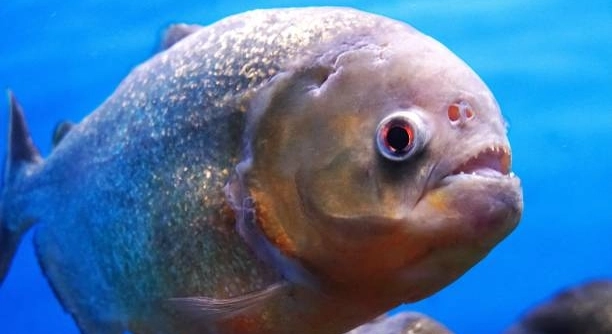
Tiny fish in a tank often attract different kinds of reactions from their owners and observers. These small creatures can bring moments of calm, surprise, or even concern depending on their behavior and appearance. Their presence tends to spark various feelings and thoughts.
Reactions to tiny fish in tanks range from fascination to worry, depending on the fish’s activity, health, and environment. Observers may feel joy seeing their movements or concern if the fish appear stressed or unhealthy. These responses reflect human empathy and curiosity toward aquatic life.
Understanding these reactions can help improve the care given to tiny fish and deepen appreciation for their delicate nature. Observing how people respond to these small pets reveals much about our connection with them.
Calm and Soothing Presence
Tiny fish in tanks often bring a calming effect. Watching their gentle movements can reduce stress and create a peaceful atmosphere. The slow, graceful swimming of these small fish encourages a quiet moment to pause. Their presence can be a simple way to relax after a busy day. Many people find the subtle colors and delicate fins comforting to watch. The soft bubbling of the tank adds to the serene setting, making it easier to focus or unwind. Even the smallest fish can offer a sense of tranquility. This calmness often helps improve mood and concentration. People sometimes place tanks in offices or living rooms for this reason. The quiet company of tiny fish can be surprisingly reassuring. It is a low-maintenance way to add life and softness to any space.
Tiny fish tanks create a peaceful environment that helps lower anxiety and improve focus. Their gentle swimming provides quiet, stress-relieving moments throughout the day.
This calm influence is why many choose to keep tiny fish as pets. The soothing effect they bring can help with relaxation and mental clarity. Even in busy households, the fish offer a small break from noise and distraction. People often notice that watching these little swimmers becomes a daily ritual, offering a moment of calm. This peaceful presence makes tiny fish tanks popular for those seeking a bit of quiet joy in their day. Beyond beauty, the calming effect encourages mindfulness, helping owners feel more balanced. Small but powerful, tiny fish tanks quietly improve wellbeing by turning ordinary spaces into tranquil spots.
Surprise and Curiosity
Tiny fish often catch attention with unexpected behavior or quick movements. Their unpredictable swimming can spark curiosity. Observers may notice sudden bursts of speed or unusual patterns in the tank. These actions can surprise even experienced fish keepers. Watching closely, one might see tiny fish exploring or interacting with their surroundings. Their small size hides a lot of interesting activity. It’s common to feel intrigued by these lively moments. Tiny fish sometimes seem to have their own little personalities. This surprise factor keeps the tank lively and engaging.
Unexpected actions by tiny fish make watching them more interesting. Their curious movements encourage closer observation and enjoyment.
Many people find themselves drawn to learn more about their fish’s habits after these surprises. Quick dashes or playful swimming can signal good health and happiness. Sometimes, a fish will respond to changes in light or sounds, adding to the intrigue. These behaviors invite owners to pay attention and understand their pets better. The surprises keep the experience fresh, preventing the tank from becoming just a background decoration. This ongoing curiosity motivates better care and creates a stronger bond. Tiny fish, though small, provide endless moments of interest that bring joy and connection to their owners.
Concern for Their Well-being
When tiny fish seem inactive or hide often, it can cause concern. These signs may indicate stress or illness, making owners more attentive to tank conditions and fish health.
Monitoring water quality is essential to keep tiny fish healthy. Poor water conditions can lead to sickness or lethargy, so regular cleaning and testing are necessary. Changes in fish behavior often reflect their environment’s status. A well-maintained tank supports active and vibrant fish, reducing worries about their well-being. Owners may also check for signs of parasites or injury. Proper feeding and avoiding overcrowding help maintain a balanced habitat. Being aware of these factors allows for timely care and treatment, preventing serious problems.
Sometimes concern grows from misunderstanding normal behavior. Tiny fish might rest or hide naturally during the day or after feeding. Recognizing these habits can ease worry. However, persistent changes in activity or appearance should not be ignored. Regular observation builds confidence in identifying when action is needed. Learning to differentiate between normal and problematic behavior supports the health of the fish and peace of mind for the owner.
Joy in Small Discoveries
Small changes in tiny fish behavior often bring moments of joy. Seeing a shy fish become more active or interact with tank mates can be rewarding. These small discoveries add excitement to fish keeping.
Watching tiny fish explore new decorations or adjust to tank changes provides ongoing interest. Owners may notice subtle differences in how fish swim or respond to light. These details deepen the connection to the fish and encourage continued care. Such joyful moments make the effort worthwhile and create a sense of accomplishment. Even the smallest progress in fish behavior feels meaningful. This positive feedback motivates many to learn more and improve their tank environment. The joy found in tiny discoveries highlights the special bond formed with these small pets.
Fascination with Their Tiny World
Tiny fish create a small, lively environment that fascinates many. Their movements and interactions offer endless entertainment and attention.
People often find themselves watching the subtle details, like how fish dart or hide. This fascination encourages learning and care.
Patience in Watching Growth
Raising tiny fish requires patience as they grow slowly. It takes time to notice changes in size and behavior, but the process is rewarding.
Watching them develop helps owners appreciate the delicate balance needed in their care. Patience supports healthy growth and a thriving tank.
Comfort in Routine
Caring for tiny fish becomes a comforting routine. Feeding, cleaning, and observing provide a steady rhythm to daily life.
FAQ
Why do tiny fish sometimes hide a lot?
Tiny fish may hide often because they feel unsafe or stressed. New tanks, loud noises, or sudden movements can make them seek shelter. Hiding is a natural defense mechanism. It can also happen when the fish are resting or adjusting to their environment. Over time, as they get used to their tank and routine, they usually become more visible. Providing plants or decorations helps them feel secure without being constantly hidden.
What should I do if my tiny fish look inactive?
Inactivity can be a sign of illness or poor water quality. First, check the tank’s temperature, pH, and cleanliness. Make sure the fish are eating normally. If inactivity continues, observe for other symptoms like discoloration or rapid breathing. Sometimes rest is normal, but prolonged inactivity needs attention. Performing a partial water change and adjusting tank conditions often helps. If unsure, consult a vet or aquatic specialist for advice.
How often should I feed tiny fish?
Feeding tiny fish once or twice a day is usually enough. Small amounts are better to avoid overfeeding, which can pollute the tank. Offer only what the fish can eat in a few minutes. Uneaten food should be removed to keep water clean. Different species might have specific dietary needs, so learning about your fish’s preferences is helpful. Consistent feeding times also help fish feel secure.
Can tiny fish live together peacefully?
Many tiny fish can live together if they have compatible temperaments and space. Avoid overcrowding to reduce stress and aggression. Some species are more peaceful, while others may be territorial. Providing hiding spots and plants helps reduce conflict. Before mixing fish, research their behaviors and needs. A balanced tank encourages harmony and allows each fish to thrive without competition.
Why do tiny fish sometimes swim erratically?
Erratic swimming often signals stress or health problems. Causes include poor water quality, illness, or parasites. Sudden changes in temperature or light can also upset fish. Watch for other signs like clamped fins or scratching against objects. Improving water conditions and maintaining a stable environment usually reduces erratic behavior. If it continues, treatment may be needed to address infections or parasites.
How can I tell if tiny fish are healthy?
Healthy fish are active, have bright colors, and clear eyes. They swim smoothly and respond to feeding. Their fins should be intact and free of spots or fungus. Watch for consistent breathing without gasping. Sudden changes in appearance or behavior may indicate illness. Regular tank maintenance and a balanced diet contribute to their health. Observing your fish daily helps catch problems early.
What decorations are best for tiny fish tanks?
Decorations that mimic natural environments, like plants and smooth rocks, are best. They offer hiding places and reduce stress. Avoid sharp or rough items that could harm the fish. Lightweight decorations allow easy cleaning. Live plants can improve water quality and provide food. Simple layouts with open swimming areas work well for small fish. Regularly check decorations for algae or damage.
Is it normal for tiny fish to lose color?
Color loss can happen due to stress, illness, or poor water quality. Changes in lighting or diet may also affect their appearance. Some fish naturally fade as they age. If color loss is sudden or accompanied by other symptoms, it might signal health issues. Ensuring clean water, proper nutrition, and a stable environment helps maintain vibrant colors. Monitoring the fish closely is important.
How big should a tiny fish tank be?
The tank size depends on the number and type of fish. Generally, a small tank can hold a few tiny fish comfortably if it is at least 5 gallons. Bigger tanks provide better stability in water quality and more swimming space. Avoid overcrowding to prevent stress and illness. Adding plants and hiding spots makes even a small tank suitable for tiny fish. Research the needs of your specific fish for ideal tank size.
Can tiny fish recognize their owners?
Tiny fish may recognize their owners by sight and routine. They often learn to associate a person with feeding time and may swim toward them. While they don’t show affection like larger pets, this recognition shows awareness. Consistent care builds trust and comfort. Interaction through feeding or gentle observation helps create a positive connection over time.
Tiny fish in tanks bring a unique experience that combines simplicity with quiet beauty. Their small size and gentle movements can offer moments of calm and interest throughout the day. Watching them swim can help people feel more relaxed and focused, making tiny fish good companions in both homes and offices. Although they are easy to overlook, these small creatures create a peaceful environment that many find comforting. Their presence adds life to a space without requiring much effort or attention.
Taking care of tiny fish also involves learning and patience. It is important to keep their tank clean and maintain stable water conditions to ensure they stay healthy. Feeding them properly and providing a safe, comfortable environment helps them thrive. Sometimes fish may hide or seem inactive, but understanding their behavior can reduce unnecessary worry. Recognizing signs of good health versus stress is part of being a responsible owner. Small adjustments in care routines can improve the fish’s well-being and make the experience more enjoyable.
Overall, tiny fish offer more than just decoration. They invite owners to slow down and observe the little things in life. The joy found in watching their subtle movements and small changes creates a quiet connection. For many, this connection is rewarding and encourages ongoing care. Tiny fish remind us that even the smallest pets can have a positive impact on our mood and daily routine. With simple care and attention, these small swimmers can bring calmness and gentle joy to any space.

Hello,
If you enjoy the content that we create, please consider saying a "Thank You!" by leaving a tip.
Every little bit helps us continue crafting quality advice that supports the health, happiness, and well-being of pets around the world, for pets of all shapes, sizes, and species.
We really appreciate the kindness and support that you show us!