
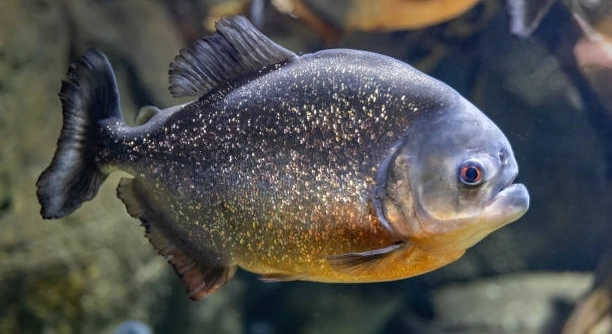
Objects that shine inside an aquarium often catch the attention of fish and other tank inhabitants. These shiny items can be natural or artificial, and their presence tends to evoke various responses from the creatures living in the tank. Observing these reactions helps understand fish behavior better.
Fish and aquatic animals respond to shiny objects in the tank with curiosity, caution, aggression, attraction, or avoidance depending on species and environmental factors. These reactions influence their interaction, feeding, and territorial behaviors within the aquarium ecosystem.
Recognizing these responses will enhance your ability to create a balanced and engaging environment for your aquatic pets. This article outlines seven common reactions and their significance in aquarium care.
Curiosity Sparks Interest
When shiny objects appear in the tank, many fish show immediate curiosity. They often swim closer to inspect the new item, sometimes tapping or nudging it gently. This behavior is common among species that rely heavily on vision to explore their surroundings. The shine reflects light, which can attract attention and stimulate natural investigative instincts. Curiosity can lead to positive enrichment, providing mental stimulation and reducing boredom in captive fish. However, excessive interaction may stress some fish if they feel uncertain or threatened by the unfamiliar object. Tank conditions, such as lighting and water clarity, can also influence how visible and attractive shiny items appear to the fish. Introducing shiny decorations or feeding tools occasionally can help maintain interest without overwhelming the aquatic environment. Understanding this reaction allows aquarists to manage tank elements to support healthy behaviors.
This reaction often encourages fish to be more active and engaged in their environment, which benefits their overall well-being.
Providing appropriate shiny objects can enhance stimulation while ensuring the tank remains balanced and safe for all inhabitants.
Aggression Triggered by Shiny Surfaces
Shiny objects can sometimes provoke aggression, especially among territorial species. When fish perceive a reflection or glint, they may mistake it for a rival intruder. This reaction causes them to display defensive behaviors, including chasing or attacking the shiny item. Aggression is more likely in tanks with limited space or high population density. Persistent aggressive displays can lead to stress or injury among fish, reducing their health and comfort. To reduce this, it is important to place shiny objects strategically and avoid overly reflective decorations near established territories. Observing fish behavior closely after introducing shiny items can help identify if aggression increases. If necessary, rearranging the tank layout or removing certain objects may be needed to maintain harmony. Careful management of shiny surfaces ensures a calmer, more peaceful aquarium.
Fish react to reflections or glints with territorial displays, sometimes mistaking them for competitors.
Managing the placement and type of shiny objects helps control aggression and promotes a stable tank environment.
Attraction to Movement
Fish are naturally drawn to shiny objects that reflect light and appear to move. This attraction often mimics the appearance of prey or other interesting stimuli in their environment. Shiny surfaces create flashes that fish interpret as potential food or companions.
This response is seen in species that rely on sight for hunting or social interaction. The reflections can prompt feeding behavior or playful investigation, helping keep the fish active. However, constant flashing might overstimulate some species, leading to stress or frustration. Balancing the placement and size of shiny objects can maximize positive engagement while minimizing negative effects. Aquarists should observe how different fish respond to avoid overexposure to such stimuli.
When used carefully, shiny moving objects can enrich the tank by encouraging natural behaviors and reducing boredom.
Avoidance Behavior
Some fish avoid shiny objects, perceiving them as threats or unfamiliar disturbances. This reaction is common among shy or nocturnal species that prefer darker, less reflective environments. Avoidance can cause fish to hide or reduce activity near these objects.
Shiny items can disrupt a fish’s sense of security by creating confusing reflections or intense light spots. This may lead to stress or reduced feeding if fish feel unsafe. To accommodate such species, it is advisable to minimize bright or reflective decorations and use subdued lighting. Providing plenty of hiding spaces also helps balance the tank atmosphere. Observing individual fish reactions to shiny objects is important for adjusting tank design to meet their comfort needs.
Reducing shiny stimuli for sensitive fish supports their well-being and promotes a calm, stable environment.
Startle Reflex
Shiny objects can trigger a startle reflex in some fish. Sudden flashes or reflections may cause them to dart away quickly. This reaction helps fish avoid potential predators or dangers.
The startle reflex is more common in species that rely on quick responses for survival. Consistent exposure to such stimuli can increase stress levels, so it is important to monitor fish behavior and limit overly bright or moving shiny objects.
Feeding Response
Shiny objects sometimes resemble small prey or food particles, prompting a feeding response. Fish may peck or nip at these objects, mistaking them for edible items. This natural reaction can encourage feeding activity but may lead to frustration if the object is not food.
Social Signaling
In certain species, shiny objects can play a role in social signaling. Reflections may mimic the appearance of other fish, influencing territorial or mating behaviors. These signals can affect how fish interact with each other within the tank.
Habituation
Over time, many fish habituate to shiny objects. Initial reactions such as curiosity, aggression, or avoidance often diminish as the fish become familiar with the stimuli. This adaptation reduces stress and promotes a more stable environment.
FAQ
Why do fish react strongly to shiny objects in the tank?
Fish rely heavily on visual cues for survival and social interaction. Shiny objects reflect light, which can resemble movement or other fish, triggering curiosity, aggression, or feeding instincts. This visual stimulation can prompt natural behaviors that fish display in response to their environment.
Can shiny objects cause stress to fish?
Yes, excessive or unexpected reflections can stress fish. Rapid flashing or constant exposure to shiny surfaces may overwhelm certain species, especially shy or nocturnal ones. Stress can lead to hiding, reduced feeding, or aggressive behavior, so monitoring fish responses and adjusting tank decor is important.
Are all fish attracted to shiny objects?
No, attraction varies by species. Predatory or visually oriented fish tend to be more interested in shiny items because they resemble prey. Conversely, some fish prefer darker or less reflective environments and may avoid shiny objects altogether.
How can I safely introduce shiny decorations in my tank?
Introduce shiny objects gradually and observe fish behavior closely. Avoid placing highly reflective items near territories or hiding spots. Use decorations that have subtle shine rather than harsh glare. Regularly check for signs of stress or aggression to decide if adjustments are needed.
Do shiny objects affect fish feeding behavior?
Shiny objects can stimulate feeding responses since they mimic prey movement or appearance. Fish might nip or peck at reflective surfaces, which encourages activity. However, if the object is not edible, repeated frustration might occur, so balance is key.
What should I do if my fish show aggression towards shiny objects?
If aggression increases, try relocating or removing the shiny items causing the response. Providing more hiding places and rearranging the tank layout can reduce territorial disputes. Maintaining a comfortable environment minimizes stress and aggressive encounters.
Can shiny objects help with fish enrichment?
Yes, when used carefully, shiny objects can serve as enrichment tools. They encourage natural exploration, play, and activity, helping prevent boredom in captive fish. Proper selection and placement ensure positive stimulation without negative effects.
Is it normal for fish to avoid shiny objects?
Yes, avoidance is a normal response for some fish species. Shiny reflections can create unsettling light patterns or appear threatening. Shy or nocturnal fish especially benefit from a less reflective environment to feel secure and reduce stress.
How does tank lighting interact with shiny objects?
Lighting intensity and angle can amplify or reduce the shine on objects. Bright or direct light makes reflections stronger, increasing fish reactions. Dimming lights or adjusting their position can control how noticeable shiny surfaces are to the fish.
Will fish eventually get used to shiny objects?
Many fish do habituate over time, showing less reaction as they become familiar with the stimuli. Habituation reduces stress and helps maintain a peaceful tank environment. However, this depends on species and the nature of the shiny object.
Are certain materials better than others for shiny tank decorations?
Materials with moderate reflectiveness, such as polished stones or subtle metallic finishes, tend to be safer. Avoid highly reflective glass or mirror-like surfaces that create intense flashes. Choosing natural textures with gentle shine helps create a balanced aquarium.
Can shiny objects influence fish breeding behavior?
In some species, reflections mimic rivals or potential mates, affecting territorial or courtship displays. Shiny objects may stimulate these behaviors, which can be positive or disruptive depending on tank conditions and species.
How often should I change or move shiny objects in the tank?
Changing placement occasionally can renew fish interest and prevent boredom. However, frequent changes might stress fish due to constant environmental shifts. Balance stability with variation based on fish reactions and tank dynamics.
Is it safe to use shiny fishing lures or tools as decorations?
Using fishing lures is not recommended due to hooks and potentially toxic materials. Decorations designed specifically for aquariums are safer and tested for fish health. Always avoid anything that might harm your aquatic pets.
What signs indicate a negative reaction to shiny objects?
Signs include excessive hiding, aggression, erratic swimming, loss of appetite, or color fading. Observing these behaviors suggests the need to reduce or remove shiny stimuli to improve fish welfare.
Final Thoughts
Shiny objects in a fish tank can produce a variety of reactions, depending on the species and individual fish. Some fish are attracted to the light reflections and movement, which can stimulate natural behaviors like feeding or playing. Others may avoid shiny surfaces, feeling threatened or stressed by the unfamiliar reflections. Understanding these differences is important when choosing decorations or accessories for the tank. Careful observation of your fish’s behavior will help determine what works best in your specific setup.
When adding shiny objects, it is important to consider the balance between enrichment and stress. Too much shine or constant flashing can overwhelm some fish, leading to negative effects such as hiding, aggression, or loss of appetite. It is helpful to introduce shiny items slowly and watch how your fish respond. Adjusting the tank lighting or moving decorations can reduce unwanted reflections and create a more comfortable environment. Providing natural hiding places and plants also helps fish feel secure, especially if they are sensitive to bright or reflective surfaces.
In the end, shiny objects can be a useful tool for keeping fish active and interested in their environment, but they must be used thoughtfully. Each tank is unique, and what works for one group of fish may not suit another. Patience and attentiveness are key to creating a balanced aquarium where fish thrive. Taking the time to learn about your fish’s natural habits and preferences will improve their overall health and happiness, making the aquarium more enjoyable for both the fish and the keeper.

Hello,
If you enjoy the content that we create, please consider saying a "Thank You!" by leaving a tip.
Every little bit helps us continue crafting quality advice that supports the health, happiness, and well-being of pets around the world, for pets of all shapes, sizes, and species.
We really appreciate the kindness and support that you show us!