
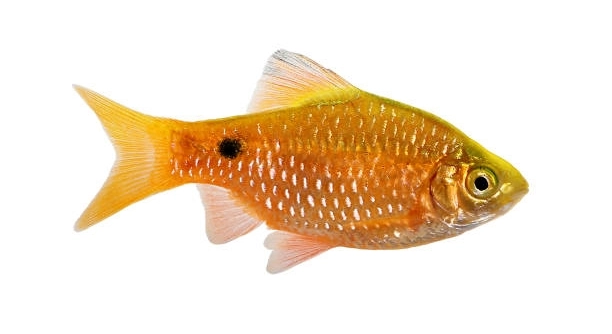
Have you ever added a new fish to your tank and noticed your rosy barbs acting differently, almost like they’re trying to send a message?
Rosy barbs react strongly to changes in their environment, especially the introduction of new fish. Their reactions can include aggression, curiosity, territorial displays, and changes in schooling behavior. These shifts are driven by social hierarchy and natural instincts.
Understanding these reactions helps you manage your aquarium better and keeps your rosy barbs and their new companions healthy and stress-free.
Common Signs of Stress in Rosy Barbs
When a new fish is introduced, rosy barbs may show signs of stress. These include darting around the tank, hiding more than usual, or becoming aggressive. Some barbs may chase the new fish or each other, establishing dominance or feeling threatened. Their color may fade slightly, and their appetite can drop. These changes are often temporary, but they signal that the fish is trying to adjust to the new presence in its space. Rosy barbs are social, but they rely on a stable group dynamic. Disrupting that balance with new tank mates can make them uneasy.
If your rosy barb is hiding a lot or not eating, it might be reacting to the new tank mate.
To help, keep the lighting dim for the first few days and rearrange tank decorations. This breaks up established territories and eases aggression. Monitoring water conditions closely also reduces stress, as any imbalance can worsen reactions. It’s important not to introduce too many new fish at once—this can overwhelm your barbs. Try giving them space and time to adjust. If possible, quarantine new fish before adding them to the tank. This avoids health risks and gives your barbs a chance to recognize the scent of the newcomer gradually, making their response less intense.
Social Shifts and Territory
Adding new fish can change the social structure of your tank. Rosy barbs are active and hierarchical, so they notice every change.
You may see rosy barbs push others away from their favorite spots or chase fish they view as invaders. They often become more active, swimming quickly in short bursts or circling each other. These behaviors are ways they test the new group’s boundaries. Sometimes, rosy barbs become more dominant or more withdrawn, depending on the personalities of the new tank mates. The tank’s layout plays a big role here. If there are limited hiding places or open areas, your barbs may compete for the same zones, causing ongoing tension. Rearranging the tank helps interrupt that pattern. Also, keeping rosy barbs in groups of at least five helps distribute aggression and keeps their interactions balanced. Introduce similarly sized fish that don’t nip fins or challenge territory. This makes your rosy barbs feel secure, helping them return to normal faster.
Feeding Reactions and Appetite Changes
Rosy barbs may refuse food or eat more aggressively when new fish are added. Changes in feeding behavior are common and usually temporary. These shifts can result from stress, dominance issues, or trying to re-establish social order in the tank.
Some rosy barbs will eat quickly to assert control, while others may avoid food altogether. This reaction usually lasts a few days but can stretch longer if the environment stays tense. Offering food in multiple spots helps reduce conflict during feeding. Stick to their usual feeding schedule to provide a sense of routine. Keep an eye on the new fish, too—some may compete for food more aggressively, which can make the barbs uneasy. To help, offer food with sinking pellets or slow-release options. This keeps food available for shy fish that might be hanging back. Consistent feeding, low lighting, and a quiet space support a quicker adjustment period.
After a new introduction, rosy barbs may test their boundaries through mealtime behavior. If a barb chases others away from food, it’s often about showing rank, not just hunger. In these cases, spreading the food throughout different parts of the tank can reduce competition. Using floating food or feeding rings is another way to create multiple feeding zones. Observe each fish to make sure they’re all eating. If one continues refusing food for more than five days, it might be a sign of ongoing stress or a health concern. Checking water quality and tank layout again can help you find the cause. Once things stabilize, their appetite usually returns to normal without intervention.
Color Changes and Body Language
Rosy barbs may lose some of their color when reacting to new fish. This happens due to stress or overstimulation. Faded colors usually mean your fish is uncomfortable and trying to adjust to a sudden change in its surroundings.
You might also see clamped fins, fast swimming, or slight twitching. These are signs your barb is on alert. Their body language often reflects how safe or unsafe they feel. Once they get used to the new tank mate, these behaviors slowly fade.
Shoaling Behavior Adjustments
After introducing a new fish, rosy barbs might change how they shoal. They may regroup more tightly or even split into smaller clusters. These shifts help them manage stress and feel more secure while assessing the new fish. It’s common for them to temporarily swim differently or follow each other more closely. Sometimes they may leave a fish out, especially if they feel it poses a threat. Watch for signs of exclusion or increased nipping. If your barbs seem too tense, try adding plants or decorations that provide cover. This gives every fish a space to retreat, helping ease the adjustment.
Occasional Nipping
A few nips are normal and often part of establishing social roles. If it continues or becomes harsh, it may signal a deeper conflict.
How do rosy barbs behave when a new fish is added to the tank?
Rosy barbs often show a mix of curiosity and caution when a new fish arrives. They may swim quickly around the tank, trying to figure out if the newcomer is a threat. Some barbs become more active and chase the new fish, while others may hide or keep their distance. These behaviors are ways for them to establish territory and social order. It’s normal for these reactions to last a few days until they settle into a routine with the new fish.
Why do rosy barbs sometimes chase new fish aggressively?
Aggression toward new tank mates is usually about defending territory or social ranking. Rosy barbs live in groups with clear hierarchies, so they see new fish as competitors. Chasing is a way to test boundaries and warn the newcomer to keep their distance. This behavior often lessens once the new fish is accepted or the hierarchy is established. However, if aggression becomes severe, it may mean the tank is overcrowded or that the new fish is not a good match for the group.
What can I do to reduce aggression when adding new fish?
To reduce aggression, introduce new fish slowly and in small numbers. Rearranging decorations before adding new fish helps break up established territories. Providing plenty of hiding spots and plants gives all fish safe spaces. Keep the tank well-maintained with proper water conditions to reduce stress. Feeding in several spots can lower competition during mealtime. Using a divider or quarantine tank temporarily allows your barbs to get used to the new fish’s presence without direct contact, helping calm tensions.
How long does it take for rosy barbs to adjust to new fish?
Adjustment periods vary but usually last from a few days to two weeks. During this time, behavior might be more erratic, with chasing, hiding, or changes in appetite. Most rosy barbs settle once they understand the new social order and feel secure. If signs of stress or aggression persist beyond two weeks, it’s worth reevaluating tank conditions, fish compatibility, and space.
Why do rosy barbs lose color after introducing new fish?
Color fading is a common stress response. When barbs feel threatened or unsettled, their bodies reduce pigmentation. This temporary loss of color signals discomfort but generally improves once they become comfortable. Ensuring stable water parameters, minimizing loud noises, and avoiding overcrowding can help restore their vibrant colors faster.
Do rosy barbs stop eating when new fish are introduced?
A reduced appetite is common when barbs experience stress from new tank mates. Some may refuse food, while others eat more quickly to compete. This usually improves as fish settle in. Offering food in multiple locations and keeping feeding routines consistent supports their recovery. Monitor for prolonged refusal to eat, which might indicate ongoing stress or health issues.
Is it normal for rosy barbs to nip new fish?
Some nipping is expected as part of social adjustment. It helps barbs establish dominance and set boundaries. However, persistent or harsh nipping can cause injury and indicates a problem. Increasing hiding places and ensuring tank mates are compatible helps reduce nipping. If necessary, remove the most aggressive fish to protect others.
Can the introduction of new fish cause long-term stress in rosy barbs?
Long-term stress can happen if the tank environment doesn’t support peaceful coexistence. Overcrowding, poor water quality, and incompatible fish worsen stress. Chronic stress leads to weakened immune systems and health problems. Proper tank management and thoughtful fish selection are key to preventing ongoing stress.
What signs show that rosy barbs have accepted a new fish?
Once rosy barbs accept a new fish, chasing slows or stops. They swim together more calmly and often school in mixed groups. Color returns to normal, and feeding behavior becomes steady. Fish appear relaxed, with no clamped fins or hiding. These signs indicate a balanced tank and good social harmony.
Should I separate new fish from rosy barbs at first?
Separating new fish initially can reduce conflict. Using a divider or quarantine tank allows gradual introduction. This method helps barbs get used to the newcomer’s scent and presence without direct contact, lowering aggression. After a few days, removing the barrier slowly lets them interact safely. This process helps keep stress and injuries to a minimum.
When you introduce new fish to a tank with rosy barbs, it’s normal to see a variety of reactions. These fish are naturally active and social, but they also rely on a stable group environment. Any change, like adding a new fish, can cause them to behave differently. You might notice changes in their color, appetite, or behavior, such as chasing or hiding. These responses are part of how they adjust to a new social order and environment. Understanding these natural reactions helps you provide better care and reduce stress for all the fish in your aquarium.
Managing the tank environment plays a key role in how smoothly your rosy barbs adapt. Providing plenty of hiding places, plants, and open swimming areas can make a big difference. Rearranging decorations before adding new fish can break up established territories and ease tension. It’s important to monitor water quality closely because poor water conditions increase stress and make behavioral problems worse. Feeding your fish consistently and spreading food in multiple spots also reduces competition and supports a calm atmosphere. Taking these steps creates a balanced environment where your rosy barbs and new fish can thrive together.
Patience is essential when adding new fish to a tank with rosy barbs. Their reactions might seem intense at first, but most fish settle into a peaceful routine within a couple of weeks. Keep a close eye on their behavior and health during this time to spot any ongoing issues. If aggression or stress lasts longer than expected, reassess your tank setup and fish selection to ensure compatibility. With proper care and attention, your rosy barbs can coexist happily with new tank mates, making your aquarium a lively and healthy space.

Hello,
If you enjoy the content that we create, please consider saying a "Thank You!" by leaving a tip.
Every little bit helps us continue crafting quality advice that supports the health, happiness, and well-being of pets around the world, for pets of all shapes, sizes, and species.
We really appreciate the kindness and support that you show us!