
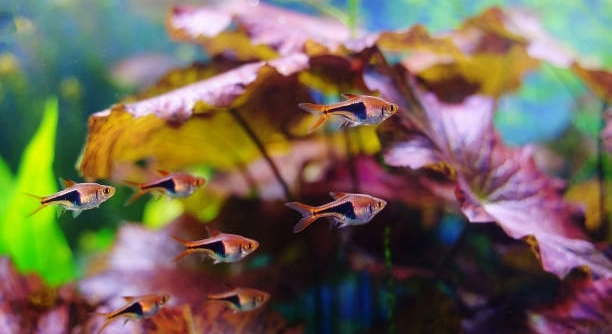
Floating debris in aquariums is a common sight, especially in tanks housing active fish like rasboras. These small fish often encounter various types of floating particles, which can influence their behavior. Understanding their reactions can help improve aquarium management and fish wellbeing.
Rasboras exhibit distinct behaviors when encountering floating debris, including avoidance, curiosity, sheltering, and feeding responses. These reactions vary depending on debris size, movement, and water conditions, reflecting the species’ natural instincts and environmental adaptations.
Recognizing these behaviors offers insight into the fish’s needs and helps maintain a healthy tank environment for rasboras.
Avoidance Behavior in Rasboras
Rasboras often respond to floating debris by avoiding it. This behavior is a natural reaction to unfamiliar or potentially threatening objects in their environment. When debris floats near, they may swim away quickly or change direction to keep their distance. This helps them stay safe from possible harm, such as sharp particles or contaminants. Avoidance is more noticeable with larger debris or fast-moving pieces. Smaller, slow-floating particles sometimes go unnoticed or are less alarming. Tank conditions also affect this behavior—if the water is clear and calm, rasboras are more likely to notice debris and react. In tanks with lots of natural elements like plants, they might be less reactive because of the familiarity with organic matter. Observing avoidance behavior can help identify when tank cleanliness needs attention. Keeping the water free from excessive floating debris supports the fish’s comfort and reduces stress. Consistent maintenance and gentle filtration also minimize these floating objects.
Avoidance behavior helps rasboras maintain safety in their environment by steering clear of potential threats. It is a key natural response.
Avoidance is essential for rasboras as a protective measure. They prioritize staying away from anything unfamiliar that might cause harm. This reaction reduces stress and helps them focus on feeding and socializing. Avoidance also prevents injury from sharp or rough debris. When debris is removed regularly, fish show less frequent avoidance, indicating improved tank conditions. Understanding this behavior helps aquarium owners create safer habitats and improve fish wellbeing.
Curiosity and Exploration
Rasboras sometimes show curiosity toward floating debris. Instead of immediately avoiding, they may approach to investigate. This behavior allows them to assess if the debris poses a threat or could be a food source. They might swim around or lightly nibble on the debris to learn more. Curiosity often occurs with smaller or slower-moving particles. It also shows the fish’s natural instinct to explore their surroundings. However, curiosity is balanced with caution, and if debris moves suddenly or looks dangerous, they quickly switch to avoidance.
Curiosity allows rasboras to learn about their environment and determine whether debris is harmless or worth attention.
When rasboras encounter floating debris, their exploratory behavior plays a vital role in their interaction with the environment. This behavior stems from their instinct to gather information about unfamiliar objects. Curiosity helps them differentiate between harmless particles and potential threats, reducing unnecessary stress. They often circle debris or touch it lightly with their mouths. This interaction can also stimulate mental activity, which is important for captive fish health. However, curiosity is limited by instinctual caution—if the debris seems risky, they stop investigating. This balance helps rasboras adapt well to varying tank conditions. Aquarium owners should note that occasional curiosity is normal and healthy, but excessive debris may lead to stress or injury. Proper tank care minimizes unwanted debris and encourages natural exploratory behaviors without risk. Observing curiosity in rasboras provides insight into their wellbeing and the quality of their habitat.
Sheltering Response to Floating Debris
Rasboras often seek shelter when floating debris appears. They use plants or decorations to hide and feel protected. This behavior helps reduce stress and potential threats from unfamiliar objects in the water.
Seeking shelter is a natural coping mechanism for rasboras. When debris floats nearby, they quickly move into shaded areas or behind aquarium ornaments. This reaction helps them feel safe from perceived dangers. The availability of hiding spots in the tank influences how often this behavior occurs. Tanks with dense plants and structures allow rasboras to shelter more easily, improving their comfort. Conversely, sparse tanks may leave fish exposed and stressed. Providing enough cover supports natural behavior and promotes wellbeing. This reaction is an important sign of how the fish manage their environment and respond to changes. Observing sheltering can guide adjustments in tank layout and maintenance.
In some cases, rasboras remain hidden for longer periods if the debris persists or moves frequently. Prolonged sheltering may indicate increased stress or discomfort. Regular cleaning and removal of floating particles help reduce this behavior. Offering multiple hiding spots encourages fish to come out and swim freely once the environment feels secure again. This balance between exposure and shelter is crucial for healthy rasbora behavior and tank harmony.
Feeding Reactions to Floating Debris
Rasboras sometimes mistake small floating debris for food and attempt to eat it. This behavior can lead to ingestion of non-food particles, which might affect their digestion or health. The size and appearance of the debris influence feeding reactions.
When floating debris resembles tiny food particles, rasboras approach and try to consume it. This is common with plant matter or small organic particles. Accidental ingestion of debris can cause mild digestive discomfort or blockages if the material is non-digestible. In natural habitats, these fish often feed on drifting insects or plant fragments, so floating debris can trigger similar feeding responses. Tank owners should monitor what types of debris appear and remove harmful materials promptly. Providing a balanced diet reduces the likelihood that fish will consume unwanted particles. Understanding feeding reactions to debris helps maintain fish health and prevents digestive issues.
In some cases, rasboras learn to differentiate between edible food and debris over time, reducing accidental ingestion. However, continuous presence of debris may increase health risks. Regular tank cleaning and controlled feeding practices are essential to minimize these risks and support the fish’s natural feeding behavior.
Alarm Response to Floating Debris
Rasboras may react with alarm when debris suddenly moves nearby. This triggers a quick, startled swim away from the object. The response helps them avoid potential danger in their environment.
This reaction is brief but intense. Rasboras freeze momentarily or dart rapidly to safer areas. It is a natural survival instinct seen in many fish species.
Interaction with Debris During Breeding
During breeding, rasboras become more sensitive to floating debris. They may clean areas near the debris or avoid certain spots entirely. This behavior helps protect their eggs and fry from harm or contamination.
Ignoring Small Floating Particles
Rasboras often ignore very small or harmless floating debris. When particles do not move much or seem insignificant, fish continue their normal activities without disruption. This tolerance helps them focus on feeding and socializing.
FAQ
Why do rasboras react strongly to floating debris?
Rasboras have natural survival instincts that make them cautious of anything unfamiliar in their environment. Floating debris can resemble predators, food, or obstacles, causing them to react by avoiding, sheltering, or showing alarm. Their small size and active nature make them sensitive to changes in their surroundings.
Can floating debris harm rasboras?
Yes, floating debris can pose risks if it includes sharp particles or toxic substances. Ingesting non-food debris can cause digestive problems. Excessive debris can also reduce water quality, stressing the fish. Regular tank cleaning minimizes these risks and keeps rasboras healthy.
How can I reduce floating debris in my aquarium?
Proper filtration and regular water changes are the best ways to reduce floating debris. Removing uneaten food and dead plant matter promptly prevents buildup. Using fine filters and vacuuming the substrate helps keep the water clean and clear.
Do all types of floating debris affect rasboras the same way?
No, the size, shape, and movement of debris influence rasboras’ reactions. Larger or fast-moving debris tends to cause stronger avoidance or alarm. Smaller, slow-floating particles are often ignored or approached with curiosity. Organic debris might trigger feeding behaviors.
Is it normal for rasboras to hide when there is floating debris?
Yes, seeking shelter is a common and natural behavior. Hiding helps them feel safe from perceived threats. Tanks with plenty of plants or decorations allow rasboras to shelter comfortably, reducing stress caused by debris.
How can I tell if debris is causing stress to my rasboras?
Signs include excessive hiding, reduced activity, refusal to eat, or frequent darting away from debris. Prolonged stress can weaken their immune system and make them more vulnerable to illness. Monitoring behavior helps identify if debris is a problem.
Can rasboras distinguish between food and debris?
Rasboras can sometimes mistake debris for food, especially if it resembles small organic particles. However, they learn to recognize what is edible over time. Providing a balanced diet reduces the chance they will consume harmful debris.
What should I do if my rasboras eat floating debris?
If ingestion is occasional and the debris is harmless, it usually isn’t a serious issue. However, if you notice signs of distress or digestive problems, improve tank cleanliness and remove floating debris immediately. Consult a vet if health concerns persist.
Does the presence of floating debris affect breeding behavior?
Yes, during breeding, rasboras become more sensitive and may avoid areas with debris to protect eggs and fry. Keeping the tank clean supports successful breeding and healthy offspring.
Are certain types of debris more dangerous for rasboras?
Sharp or chemical-laden debris is particularly harmful. Plastic fragments, sharp plant cuttings, or particles coated with harmful substances can injure or poison fish. Organic matter that decomposes quickly may lower water quality and cause stress.
How often should I clean the tank to prevent floating debris buildup?
A weekly partial water change combined with substrate cleaning is usually sufficient. Adjust frequency based on tank size, stocking levels, and filtration efficiency. Regular maintenance keeps debris low and supports fish health.
Can floating debris affect water quality?
Yes, debris can decompose and release harmful substances, increasing ammonia or nitrite levels. Poor water quality stresses rasboras and can lead to illness. Removing debris promptly helps maintain a healthy environment.
Is it better to remove all floating debris or leave some for natural interaction?
Small amounts of harmless organic debris can mimic natural habitats and encourage natural behavior. However, excessive debris should be removed to prevent stress and water quality issues. Balance is key for a healthy aquarium.
What signs show that rasboras are comfortable despite floating debris?
Active swimming, regular feeding, social interaction, and minimal sheltering indicate comfort. If fish seem calm and behave normally, minor floating debris is likely not a concern. Monitoring behavior helps maintain tank balance.
Final Thoughts
Floating debris in a rasbora aquarium can influence the fish’s behavior in several ways. Their reactions range from avoidance and sheltering to curiosity and feeding attempts. Each response is rooted in natural instincts that help rasboras stay safe and comfortable in their environment. Understanding these behaviors allows aquarium owners to better manage tank conditions and provide a healthy space for their fish. Maintaining a clean tank with minimal debris helps reduce stress and supports the well-being of rasboras.
Regular tank maintenance is key to controlling floating debris. Simple steps like using proper filtration, performing water changes, and removing uneaten food can make a significant difference. Providing plenty of plants and hiding places also helps rasboras feel secure when debris does appear. Observing the fish’s behavior is important, as it signals how they are coping with the environment. If rasboras show signs of stress or excessive hiding, it may be time to check for debris or water quality issues.
Ultimately, small amounts of harmless floating debris are not always harmful and can sometimes encourage natural exploration. However, excessive debris can lead to health problems and discomfort for the fish. Balancing cleanliness with a natural habitat feel is important for keeping rasboras happy and healthy. By paying attention to their reactions and maintaining the tank properly, you can create a comfortable environment that meets their needs and supports their natural behavior.

Hello,
If you enjoy the content that we create, please consider saying a "Thank You!" by leaving a tip.
Every little bit helps us continue crafting quality advice that supports the health, happiness, and well-being of pets around the world, for pets of all shapes, sizes, and species.
We really appreciate the kindness and support that you show us!