
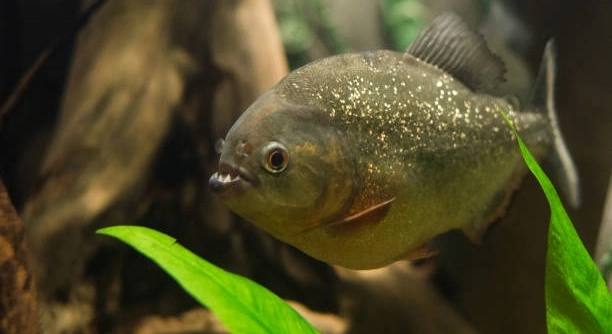
Piranhas are sensitive fish known for their sharp teeth and aggressive behavior. They live in environments where vibrations in the water can signal danger or food. Understanding how they respond to these vibrations is important for their care and observation.
Piranhas exhibit several reactions to tank vibrations, including increased alertness, schooling behavior, rapid swimming, hiding, and changes in feeding patterns. These responses serve as survival mechanisms to detect threats or opportunities in their surroundings.
Recognizing these reactions helps aquarists maintain a healthy environment and better understand piranha behavior in captivity. This knowledge supports improved tank management and fish welfare.
Increased Alertness and Vigilance
Piranhas respond quickly to vibrations by becoming more alert. Their senses sharpen, and they carefully monitor the source of the disturbance. This heightened vigilance helps them detect potential threats, such as predators or intruders near their tank. It also alerts them to possible prey nearby. The sudden change in behavior is noticeable as piranhas stop their usual swimming patterns and focus on investigating the vibration. This response is essential for their survival in both natural and captive environments. When vibrations persist, piranhas may remain in this alert state longer, showing signs of stress or agitation. Observing these changes can help tank owners understand when their fish are experiencing discomfort. Adjusting the tank environment to minimize unnecessary vibrations can promote calmer behavior and reduce stress.
Piranhas’ increased alertness is an instinctive reaction to keep them safe and aware of their surroundings.
Understanding this behavior assists in managing their environment effectively to support their well-being.
Schooling and Group Movement
Piranhas often react to vibrations by grouping together in tight schools. This behavior provides safety in numbers and reduces individual risk from threats. When vibrations occur, the fish swim closer to each other and move collectively, making it harder for predators to target one fish. Schooling also helps them better assess the source of the disturbance through combined sensory input. This coordinated movement demonstrates their natural social behavior and reliance on group dynamics for protection. In a tank setting, this reaction may appear as sudden bursts of fast swimming or circling. It is important for aquarists to recognize that vibrations trigger this response, which may affect feeding and interaction. Reducing external vibrations can encourage more relaxed swimming patterns and improve overall tank harmony. Keeping the tank in a stable environment helps piranhas maintain their natural schooling behavior calmly.
Rapid Swimming and Agitation
Piranhas often respond to tank vibrations with rapid swimming and signs of agitation. This sudden movement is a direct reaction to perceived disturbance.
This behavior is a defense mechanism designed to confuse predators or escape potential threats quickly. In a confined tank, rapid swimming can indicate stress rather than actual escape. The fish may dart around the tank, bump into objects, or make erratic movements. This agitation can affect their appetite and overall health if it happens frequently. Minimizing external vibrations can reduce these stressful episodes, helping piranhas maintain calmer behavior and better health.
When piranhas experience constant vibrations, they may show prolonged agitation. This can lead to exhaustion and weakened immune response if the environment remains unstable.
Hiding and Seeking Shelter
Piranhas tend to hide or seek shelter when vibrations occur in their tank. This reaction provides them a sense of safety from potential dangers.
Hiding is a natural response to sudden changes in their environment. Piranhas use plants, rocks, or other tank decorations to shield themselves. This behavior reduces their visibility to perceived threats and lowers stress levels. In captivity, frequent hiding due to vibrations may indicate an unsettled environment. Adjusting tank location or limiting external noise and movement can reduce this behavior. Providing ample hiding spots helps piranhas feel secure and promotes healthier behavior overall. Proper tank setup combined with minimizing vibrations can encourage piranhas to spend more time swimming calmly and interacting naturally with their environment.
Changes in Feeding Behavior
Piranhas may eat less or stop feeding altogether when tank vibrations increase. Stress from constant disturbance affects their appetite and digestion.
Reduced feeding can weaken their immune system and slow growth. Ensuring a calm environment helps maintain normal feeding patterns and overall health.
Increased Aggression
Vibrations often trigger aggression among piranhas. They become more territorial and may fight more frequently to defend their space.
This heightened aggression can lead to injuries and stress. Providing enough space and hiding spots reduces conflicts and promotes a balanced tank atmosphere.
Stress and Health Effects
Continuous exposure to vibrations causes stress in piranhas, weakening their immune systems. Stress makes them more prone to illness and reduces lifespan.
Maintaining a quiet and stable tank environment is essential for their health. Minimizing vibrations helps prevent chronic stress and supports stronger, healthier fish.
FAQ
Why do piranhas react strongly to tank vibrations?
Piranhas are highly sensitive to changes in their environment. Vibrations signal potential threats, prey, or disturbances. Their strong reaction helps them survive by preparing for danger or hunting opportunities. In tanks, this sensitivity can lead to noticeable changes in behavior when vibrations come from outside sources.
How can I reduce vibrations in my piranha tank?
Place the tank on a sturdy, vibration-absorbing surface away from heavy foot traffic or loud machines. Avoid tapping or knocking on the glass. Using soft padding under the tank can also help. Minimizing vibrations reduces stress and promotes calm behavior.
What signs show my piranhas are stressed from vibrations?
Signs include rapid swimming, hiding, aggression, loss of appetite, and constant alertness. These behaviors indicate that vibrations are disturbing their normal routine. Prolonged stress can harm their health, so addressing the source is important.
Can vibrations affect piranha feeding habits?
Yes. Vibrations often cause piranhas to stop eating or eat less. Stress disrupts their appetite and digestion. Creating a calm environment helps restore normal feeding and keeps them healthy.
Is schooling behavior caused by vibrations always a sign of stress?
Not always. Schooling is natural, but when triggered suddenly by vibrations, it usually reflects caution or fear. If it happens often, it may indicate an unsettled tank environment that needs adjustment.
Do piranhas need hiding spots to cope with vibrations?
Yes. Providing plants, rocks, or other shelters helps piranhas feel safe when disturbed. Hiding reduces stress and encourages healthier behavior.
Can tank vibrations cause physical harm to piranhas?
Direct physical harm is unlikely, but constant stress from vibrations weakens their immune system, making them more vulnerable to disease and injury from aggression.
How often should I check for vibration sources around my tank?
Regular checks help. Any new equipment or changes in room use can increase vibrations. Monitoring helps maintain a stable environment for your fish.
What is the best tank setup to minimize vibration impact?
A solid stand, soft padding, sufficient tank size, and ample hiding spots are essential. Avoid placing the tank near doors, speakers, or heavy appliances.
Can piranhas get used to vibrations over time?
They may adapt slightly but remain sensitive. Persistent vibrations will continue to cause stress, so minimizing disturbances is still necessary.
Are some piranha species more sensitive to vibrations than others?
Sensitivity varies, but all piranhas have a strong reaction to vibrations due to their survival instincts. Some species may show more visible signs, depending on temperament and environment.
How do vibrations affect piranha social behavior?
Vibrations can increase aggression and territorial disputes. They disrupt normal interactions and may lead to fights, especially in crowded tanks.
What should I do if piranhas become aggressive due to vibrations?
First, reduce vibrations by improving tank placement and environment. Adding more hiding places and increasing space between fish can lower aggression. If aggression persists, consider separating the most aggressive individuals.
Can vibrations cause piranhas to injure themselves?
Erratic swimming caused by vibrations can lead to collisions with tank walls or decorations, resulting in injury. Reducing stress factors is key to preventing accidents.
How important is water quality in relation to vibration stress?
Water quality affects overall health and stress resistance. Poor water conditions worsen the effects of vibration stress. Keeping water clean supports immune function and recovery.
Should I turn off equipment during vibration disturbances?
Equipment like filters and heaters should run continuously for stable water conditions. However, ensure they do not cause additional vibrations. Use equipment designed for quiet operation.
How can I tell if my piranhas are comfortable in their tank?
Comfortable piranhas swim calmly, eat well, interact normally, and show little hiding or aggression. Observing regular behavior patterns helps assess tank conditions.
What role does lighting play in piranha stress from vibrations?
Bright or flashing lights combined with vibrations increase stress. Using steady, soft lighting can help reduce overall stress levels in the tank.
Can I use vibration dampening materials outside the tank?
Yes. Placing mats, foam, or rubber pads under and around the tank stand helps absorb vibrations from floors or furniture.
Is it normal for piranhas to react to my movements near the tank?
Yes, their sensitivity extends to vibrations caused by footsteps or handling nearby. Keeping the area around the tank calm helps reduce their stress.
How quickly do piranhas recover after a vibration stops?
Recovery time varies by individual and stress level. Some calm within minutes, while others take longer. Providing a stable, quiet environment speeds recovery.
Final Thoughts
Piranhas are highly sensitive fish that react strongly to vibrations in their tank. These vibrations can come from many sources, such as people walking nearby, household appliances, or even loud noises. When piranhas detect vibrations, they may respond with behaviors like rapid swimming, hiding, or increased aggression. These reactions are natural and serve as survival instincts in the wild. However, in a tank environment, frequent or strong vibrations can cause stress, which negatively affects their health and behavior. It is important to understand these responses to create a better living environment for your piranhas.
Reducing vibrations in and around the tank is essential for maintaining the well-being of piranhas. Simple measures like placing the tank on a sturdy stand, away from high-traffic areas or loud machines, can make a significant difference. Adding soft padding under the tank or around the stand can also help absorb vibrations. Providing enough hiding spots and a proper tank layout encourages piranhas to feel secure. This reduces the stress caused by sudden disturbances and supports calmer, healthier fish. Paying attention to these details helps keep piranhas comfortable and reduces the risk of aggressive behavior or health problems.
Creating a stable and quiet environment is key to keeping piranhas healthy and happy. Consistent water quality, proper tank size, and minimal external disturbances all contribute to a stress-free habitat. Observing your piranhas regularly can help you notice signs of stress early, such as changes in feeding or swimming patterns. Addressing vibration issues and tank setup improves their overall quality of life. A well-maintained tank with controlled vibrations allows piranhas to display their natural behaviors, ensuring a better experience for both the fish and the caretaker.

Hello,
If you enjoy the content that we create, please consider saying a "Thank You!" by leaving a tip.
Every little bit helps us continue crafting quality advice that supports the health, happiness, and well-being of pets around the world, for pets of all shapes, sizes, and species.
We really appreciate the kindness and support that you show us!