
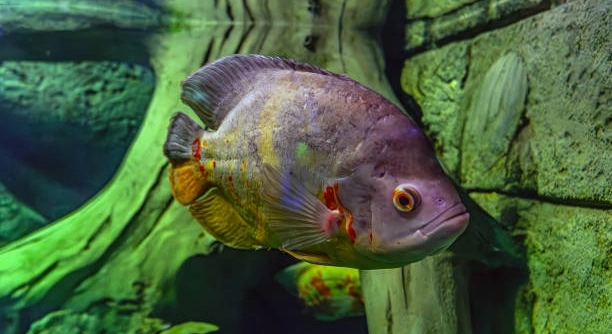
Are your Oscars acting strangely whenever the room lighting changes to colors like red, blue, or green? You might not be imagining it. These birds can have surprising reactions to different hues of light.
Oscars respond to colored lights in ways that can affect their behavior and mood. Changes in lighting may lead to stress, aggression, or even lethargy. Their sensitivity to light color is linked to how they perceive their environment.
Knowing how your lighting choices impact your Oscars can help you create a better living space for them and avoid unwanted behaviors.
Bright Red Lights Can Make Oscars Aggressive
Oscars often react strongly to red lighting. This color can heighten their senses and may lead to increased aggression. In many cases, red light gives the illusion of blood or threat in their environment. Because Oscars are territorial, this can trigger defensive behavior. You might notice them flaring their gills, darting quickly around the tank, or even nipping at tank mates. These are clear signs of agitation. It’s not just about color preference—it’s about how that color changes the fish’s perception of safety and dominance. If red lighting is used often, your Oscar might stay in a heightened state of alert, which can be stressful and unhealthy over time. Watching for changes in posture and swimming patterns can help you decide whether this lighting is too intense for regular use. Not all fish will react the same way, but it’s important to observe their response.
Red lighting should be used carefully and only in short bursts.
To help calm an aggressive Oscar, try switching to a softer hue like blue or white. Lowering tank activity and minimizing noise can also reduce stress. Introducing hiding spots can give your Oscar a sense of control, which may decrease aggressive outbursts over time.
Blue Lights Tend to Calm Them Down
Blue light usually has a calming effect on Oscars. It can help lower their activity level, especially during evening hours.
When you use soft blue lighting, Oscars often become less territorial and more relaxed. The cool tone mimics twilight hours in their natural habitat, signaling that it’s time to slow down. Many aquarists use blue lights in the evening to prepare fish for a rest cycle. In tanks with bright or active lighting, Oscars may stay alert and stressed. But when the lights switch to blue, their movement tends to slow, and they may spend more time resting near plants or hiding spots. It’s a useful trick if your Oscar is overly active or aggressive during the day. However, prolonged exposure to blue light only should be avoided, as it can disturb their natural rhythm if overused. Balance is key. A well-timed lighting schedule that includes a period of calm blue light can improve your Oscar’s daily routine and help them feel more secure.
Green Light Can Make Oscars More Alert
Green lighting tends to make Oscars more aware of their surroundings. They often explore the tank more and interact with objects. This reaction is not aggressive but shows heightened curiosity and attentiveness to movement and changes around them.
When the tank is lit with green, Oscars may swim with more purpose and seem focused on specific areas. You might notice them inspecting decorations, checking out the filter, or watching their reflection. This alertness is generally harmless and can be useful when introducing new items to the tank. However, if green light is too bright or constant, it might keep them from resting. A moderate setting can strike the right balance. The effect also depends on the fish’s age and temperament. Some may show excitement, while others may ignore the color. If used right, green light can help stimulate a more active, but not overly stressed, environment.
Too much stimulation from constant green lighting may prevent rest and make Oscars more irritable over time. If your Oscar starts to seem anxious or overly active throughout the day, it may be time to adjust the intensity or duration. Offering low-light hours in between can help them reset and avoid overstimulation caused by excess alertness. Keeping tank conditions steady helps too.
Yellow Light Often Makes Oscars Hesitate
Yellow lighting can confuse Oscars. It doesn’t match their natural lighting cues and often makes them pause or retreat. They may seem unsure, hiding more often or reducing their activity. It’s not a relaxing light for them.
Oscars may struggle to understand yellow light, which creates an unnatural tone in their tank. This can affect how they view their surroundings, including food, tank mates, and hiding spaces. In some cases, Oscars may refuse to eat when under yellow lighting or become skittish. They might stay close to the bottom or behind decorations, peeking out cautiously. It’s not that yellow light is harmful, but it may disrupt how they perceive space and safety. For better results, use yellow lighting only briefly, such as during transitions between daylight and night modes. Watching your Oscar’s body language—especially if they seem withdrawn or less interested in food—can help you decide if yellow lighting is right for them.
White Light Supports Natural Behavior
White light closely mimics daylight, helping Oscars stay on a regular schedule. It supports feeding, swimming, and resting patterns. Most Oscars respond well to this type of lighting, showing balanced energy and predictable behavior in a clean, well-lit tank.
Using white light during daytime hours helps keep Oscars active without overstimulation. It encourages them to eat, explore, and stay alert. This type of lighting also allows them to recognize tank mates and objects clearly. Avoid using harsh or overly bright bulbs, as softer white tones work better.
Purple Light Can Cause Avoidance
Oscars often avoid areas with purple lighting. This color can create shadows or distort shapes in the water, making them uncomfortable. Some may hide more or become less active. It’s best used in short periods or mixed with other, more familiar lights.
Flashing or Shifting Lights May Stress Them
Rapidly changing or flashing lights can overwhelm Oscars. These fish are sensitive to sudden environmental changes, and inconsistent lighting makes them feel unsafe. You may notice darting, hiding, or refusal to eat. Keeping lighting transitions slow and steady can help avoid unnecessary stress and protect their natural rhythm.
FAQ
Can Oscars get used to colored lighting?
Yes, Oscars can get used to colored lighting over time. However, it’s important to introduce new lighting gradually. If you change the lighting too often or too drastically, they might become stressed or confused. The key is consistency. Slowly transitioning between different colors while observing their behavior will allow them to adjust without feeling overwhelmed.
How long should I leave colored lights on for Oscars?
Colored lights should be used sparingly. Generally, it’s best to leave them on for no more than a few hours per day. This ensures that your Oscar’s natural rhythms are not disrupted. Too much exposure to any colored light, whether red, blue, or green, could lead to stress, poor health, or behavioral issues. Keeping a day-night cycle with appropriate lighting intervals helps mimic natural conditions.
Does colored light affect Oscar’s health?
Colored lights, when used improperly or excessively, can negatively affect an Oscar’s health. If the light is too bright, too intense, or used for too long, it can stress the fish. This stress may manifest in behaviors such as hiding, refusal to eat, or erratic swimming. Stress can weaken the fish’s immune system, making them more susceptible to diseases. Maintaining a balanced and gentle lighting schedule is key to supporting their health.
Can Oscars sleep with colored lights on?
Oscars need a period of darkness to sleep properly. While they can adapt to some soft colored lighting, continuous exposure to bright or overly intense lights can prevent them from getting restful sleep. Keeping a consistent light schedule that mimics day and night cycles will help maintain their natural sleeping habits. A dark period is essential for their well-being, so avoid leaving lights on during the night.
Are some colors of light better for breeding Oscars?
Yes, certain colors of light can encourage Oscars to breed. Red and blue lights are often used by aquarists to simulate different environmental conditions. These colors may help trigger breeding behaviors, as they can mimic specific water conditions. However, it’s not just about the light. Proper tank conditions, including water quality and temperature, play a larger role in encouraging Oscars to breed. Light color can support the process, but it is not the main factor.
How do Oscars react to flashing lights?
Oscars typically do not react well to flashing or strobe lights. This sudden, constant change in light can cause stress and confusion. The erratic lighting might make them feel unsafe or disoriented, leading to hiding, swimming nervously, or even aggression. It’s important to avoid using flashing lights around Oscars unless you’re trying to simulate specific effects temporarily. If used too often, this can cause long-term stress that negatively impacts their behavior and health.
Should I use different colored lights for different tank setups?
Yes, using different colored lights for different tank setups can enhance the aesthetic and behavioral conditions for your Oscars. If you have live plants, for example, certain colors like blue or white will encourage growth. For a more natural look, you might want to stick with white or soft blue lights. For showing off Oscar colors, you can experiment with lighting that enhances their natural hue, such as red or yellow, but make sure not to overdo it, as this may disturb them.
How do I know if my Oscar is stressed by colored lights?
If your Oscar is stressed by colored lighting, you might see signs like excessive hiding, erratic swimming patterns, or loss of appetite. They may also appear more aggressive or anxious, especially if exposed to red or flashing lights. Watch their behavior closely after changing the lighting, and if they show any of these signs, try reducing the intensity or frequency of the colored lights. Monitoring their behavior is the best way to gauge how they’re responding to different lighting.
Can Oscars handle bright colored lights for long periods?
Oscars are not adapted to handle brightly colored lights for long periods. Bright colors like red or blue can cause stress, as they disrupt the fish’s natural rhythm and perception of their environment. Prolonged exposure to such intense lighting can lead to anxiety, aggression, and even physical problems. Limiting bright colored light to shorter periods, preferably during feeding or active times, is the best approach. Always allow for a darker period to give Oscars time to rest and feel secure.
Can I use colored lights for decoration purposes in an Oscar tank?
Colored lights can certainly be used for decoration, but they should be used in moderation. It’s important to balance aesthetics with the needs of the fish. While Oscars might look good under specific lighting, such as red or blue, it’s crucial not to overuse them. Always observe how your Oscar reacts to these lights. If they show signs of stress or disinterest, consider switching to a softer, natural light. Your Oscar’s well-being should be the priority.
Final Thoughts
When it comes to lighting for Oscars, it’s clear that not all colors are created equal. While some colors, like blue and white, can promote calmness and natural behavior, others, such as red or green, can trigger stress or aggression. Oscars are sensitive creatures, and lighting can significantly influence their overall health and mood. Understanding how different colored lights affect them can help you create a more comfortable environment for your fish.
Consistency in lighting is essential. Constantly changing the colors or using too intense lights can create confusion and anxiety. It’s best to maintain a steady light schedule that mimics natural day and night cycles. A mix of soft white light during the day and dimmer, calming hues like blue or green at night works well for many Oscars. This balance allows them to stay active during daylight hours and rest comfortably at night. As with all aspects of fish care, paying attention to their behavior after adjusting the lighting is key to ensuring their comfort and health.
Finally, remember that each Oscar may react differently to colored lights. What works for one may not work for another. Some Oscars may find certain colors relaxing, while others may feel threatened or overstimulated. It’s important to monitor their responses carefully. If your Oscar seems stressed or is showing signs of discomfort, adjusting the lighting is one of the first things to consider. By observing and adapting to your fish’s needs, you can help them thrive in a well-lit, supportive environment.

Hello,
If you enjoy the content that we create, please consider saying a "Thank You!" by leaving a tip.
Every little bit helps us continue crafting quality advice that supports the health, happiness, and well-being of pets around the world, for pets of all shapes, sizes, and species.
We really appreciate the kindness and support that you show us!