
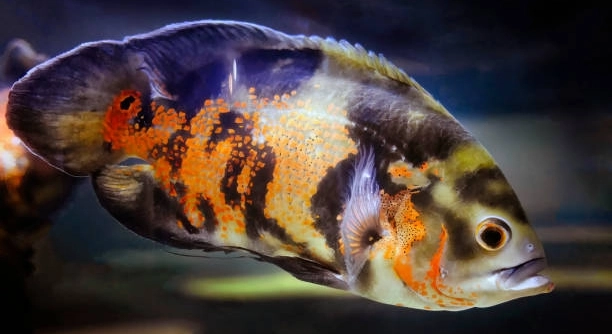
Do you ever find yourself unsure of what to expect when your Oscars go through a tank reset? It can be confusing and unpredictable. Understanding their behaviors during this time helps you provide better care and reduce stress.
Oscars often respond to a tank reset with visible stress, such as color changes, hiding, or refusing food. These behaviors are typically caused by sudden changes in water parameters, territory disruption, or unfamiliar surroundings introduced during the reset.
From odd swimming patterns to subtle signs of discomfort, each reaction tells a part of the story. Recognizing these early can help prevent long-term issues and keep your Oscars healthy.
Stress Signals and Color Changes
Oscars are sensitive fish, and a tank reset can trigger a lot of stress. One of the first things you may notice is a change in their coloring. They might become pale, darken dramatically, or display blotchy patterns. These shifts are usually linked to environmental changes, like new water parameters or a rearranged tank layout. Since Oscars use their coloring to communicate their mood, these changes are a sign they’re feeling uncomfortable or uncertain. Sometimes, these color changes go away after a few days, but if they persist, it could mean your Oscar is having a harder time adjusting. Keep your eye on other signs too, such as twitching fins or sudden dashes across the tank. These little clues often point to stress and tell you your Oscar may need more time to settle in. Stability and consistency help them feel safe again.
It’s common for Oscars to become moody during a reset. They might act shy or even aggressive toward tank mates.
If your Oscar’s coloring doesn’t return to normal after a week, double-check water quality and temperature. A big swing in these factors can throw them off. Making small, slow adjustments usually works better than rapid changes. Consistency really helps them feel more secure.
Appetite Loss and Feeding Trouble
After a reset, Oscars often stop eating for a few days. It can be frustrating to see your usually hungry fish ignore food, but this is a typical reaction. The shift in environment causes them to feel unsafe, and feeding drops to the bottom of their priorities.
It’s best not to overfeed during this time. Uneaten food can affect water quality, making things worse. Offer small amounts and remove leftovers quickly. Stick to their usual diet instead of trying new foods. If they normally eat pellets, offer those, even if they don’t take them right away. Avoid treats or live food, since it may add stress rather than help. Keep the tank quiet and reduce lighting if possible. These small changes help them feel more at ease. Most Oscars return to normal feeding in a few days once they feel comfortable again. If not, double-check the tank setup and ensure everything is stable.
Aggression Toward Tank Mates
Oscars may become more aggressive after a tank reset. Their territory feels unfamiliar, and they might lash out at others. Even peaceful Oscars can act out when their surroundings suddenly change. This behavior often fades once they re-establish comfort and boundaries in the adjusted environment.
When aggression starts, it’s helpful to observe who they’re targeting. If it’s just a few chases, it may be temporary. But if you see biting or torn fins, separate the fish if possible. Try rearranging decor again to break line-of-sight and reduce tension. Adding plants or rocks can help provide hiding spots for other tank mates. Keep feeding routines normal, but monitor feeding times closely to avoid competition. Stress from a reset often makes Oscars more reactive, so giving them time to settle is key. They usually return to their calmer selves once they’ve re-claimed their space and feel more in control.
Oscars sometimes pair off during stressful moments and push other fish away. In tanks with multiple Oscars or mixed species, this can cause tension fast. Watch for guarding behavior or hovering in one area for long periods. These are signs of territorial claims. Extra space, visual breaks, and consistent care usually help them settle down again.
Glass Surfing and Pacing
Glass surfing can happen after a reset and looks like your Oscar swimming up and down along the tank walls. It may seem odd, but it’s usually linked to confusion or stress. They’re trying to make sense of their changed environment and may also be reacting to reflections.
Sometimes, this behavior is short-lived, especially if your Oscar is used to routine. Keep tank lights dimmed and avoid sudden movements near the tank. If the pacing continues for more than a few days, review water quality and decor layout. Bare tanks or overly clean setups may feel too empty, making the Oscar feel exposed. Try adding a background to reduce reflections and provide more natural surroundings. Glass surfing can also be a reaction to inconsistent lighting or noise. If the behavior doesn’t ease, covering part of the tank or providing shaded areas can help reduce visual stress. Always rule out ammonia spikes first.
Hiding and Staying Still
Oscars sometimes stay in one spot after a reset, often near the bottom or behind decorations. This is normal and usually means they’re trying to feel safe again. It can take time before they start exploring like they used to.
If your Oscar isn’t moving much but still reacts when you approach, it’s likely just adjusting. Sudden shifts in temperature or water chemistry can also make them stay still. Keep the tank calm and give them time.
Unusual Swimming Patterns
Erratic swimming can appear right after a reset. Your Oscar may swim in circles, tilt sideways, or float oddly. These movements usually happen when the fish is disoriented or reacting to sudden changes in the water. Test the water, check for ammonia, and avoid making any more big changes too soon.
Gasping Near the Surface
Gasping at the top of the tank may mean there’s not enough oxygen or the water quality is off. It’s important to test your water immediately and make sure your filter is running properly. Adding an air stone can also help improve oxygen levels quickly.
FAQ
Why is my Oscar not eating after the tank reset?
Oscars may stop eating after a tank reset due to stress. They are highly sensitive to changes in their environment, and a reset can cause them to feel unsafe. This often results in loss of appetite. If your Oscar refuses food, give it a few days to adjust. Ensure the water temperature and quality are stable. Avoid overfeeding during this time, as leftover food can affect water quality. If the lack of appetite persists beyond a few days, check for any possible underlying issues, like illness or incorrect water parameters.
How long will it take for my Oscar to adjust to the reset?
Typically, Oscars take anywhere from a few days to a couple of weeks to fully adjust to a tank reset. Factors such as the size of the tank, water quality, and the amount of disruption during the reset play a role. You may notice signs of stress like hiding, glass surfing, or aggression during this time. It’s important to provide a stable and calm environment for them to settle. Be patient and try to minimize further disturbances until they start swimming comfortably again.
What should I do if my Oscar is acting aggressively after the reset?
Aggression in Oscars is common during a reset due to the changes in their territory and environment. They may feel threatened by unfamiliar decorations or even their tank mates. If aggression occurs, try to rearrange the tank’s layout, as it may help break territorial boundaries. Make sure that tank mates are not stressed and can escape from the aggression. If necessary, consider temporarily separating the aggressive Oscar to reduce stress on the others. Monitor closely and give them time to calm down.
Why is my Oscar hiding all the time after the reset?
Hiding is a natural response for Oscars when they feel stressed or unsafe. After a tank reset, they may hide behind rocks, decorations, or plants to seek shelter. They could be adjusting to the new environment or dealing with changes in water conditions. If the Oscar remains hidden for extended periods, check if water quality is within proper parameters. Sometimes, it can help to dim the lights and reduce noise around the tank to create a more calming atmosphere. If your Oscar continues to hide, check for possible injury or illness.
Should I make any changes to the tank after the reset to help my Oscar?
It’s essential to leave your Oscar’s tank as undisturbed as possible during the adjustment period. However, you can make a few adjustments to help ease the transition. Providing hiding spots and a stable water temperature can make your Oscar feel safer. If the tank is too bare or has excessive decorations, try to balance it by adding plants or rocks for comfort. Keep the water clean and maintain a consistent temperature. Reducing lighting can also help alleviate stress. Avoid making any further significant changes while your Oscar is still adjusting.
Can I add new tank mates to the tank after a reset?
It’s not advisable to add new tank mates immediately after a reset. Your Oscar is still adjusting to the changes in its environment, and introducing new fish could add additional stress. It’s best to wait until your Oscar has settled into the new environment before considering adding new fish. If new fish are introduced too soon, it may also trigger territorial behavior or aggression from your Oscar. Allow at least a few weeks for your Oscar to get used to the reset before thinking about new additions to the tank.
What signs should I look for to know if my Oscar is too stressed?
There are several signs of stress you should watch for in your Oscar after a tank reset. If your Oscar is excessively hiding, not eating, or showing signs of aggression, these are common indicators of stress. Physical signs such as faded colors, rapid breathing, or abnormal swimming patterns also suggest distress. If you notice any of these signs, it’s crucial to check water quality, temperature, and tank conditions. If stress continues or worsens over time, it could lead to health issues, so addressing the problem quickly is important.
How can I speed up the adjustment process for my Oscar?
While you can’t speed up the natural adjustment process, there are ways to make the transition easier. Keep the tank environment consistent, with stable water parameters such as temperature and pH. Avoid making drastic changes to the tank during this time, and try to minimize noise or disturbances around the tank. Giving your Oscar plenty of time to explore and adjust to the new layout will help. You can also provide some hiding spots or plants to make them feel more secure. Be patient and allow your Oscar to adjust at its own pace.
Is it safe to do a water change during the reset?
It’s safe to perform water changes during the reset, but they should be done cautiously. Sudden changes in water parameters can stress your Oscar further. If you need to do a water change, aim for small, gradual changes. Testing the water regularly is essential to ensure that ammonia, nitrite, and nitrate levels are within safe limits. Do not change more than 25% of the water at a time, as this can disrupt the tank’s balance and add stress to your Oscar. Keep water temperature consistent with the previous levels.
What if my Oscar keeps pacing or glass surfing after the reset?
Pacing or glass surfing is common in Oscars after a tank reset. It’s a sign that your Oscar is either confused or stressed due to the changes. This behavior should subside after a few days or weeks, but if it continues, there may be an issue with the tank setup or water quality. Check for any sources of reflection in the tank, as Oscars may see their own image and react to it. You can try covering part of the tank with a background or dimming the lights. If the behavior persists, a thorough water test and tank review may be necessary.
Final Thoughts
Resetting a tank can be a stressful experience for your Oscar fish, but it’s important to remember that most of the behaviors they exhibit during this time are temporary. Oscars are resilient and, with patience, they usually adjust well to new environments. While it’s common for them to experience stress-related symptoms like hiding, changes in color, or loss of appetite, these issues should improve once the tank settles into its new routine. By monitoring their behavior closely and ensuring that water conditions remain stable, you can help speed up the process of recovery.
During a reset, creating a stable environment is key to reducing your Oscar’s stress. Maintaining clean water with the proper temperature and pH levels can go a long way in making your Oscar feel more comfortable. It’s also essential to avoid making rapid changes to the tank layout or water parameters, as sudden alterations can increase the chances of stress. Allowing your Oscar time to adjust without additional disruptions will help them regain their confidence and restore their natural behavior. Remember that Oscars are highly sensitive to changes in their surroundings, and some patience is required while they re-establish their sense of security.
If you continue to see signs of stress after a few weeks, it’s important to take a closer look at the tank setup. Consider checking for issues like poor water quality, inadequate filtration, or temperature fluctuations. These can all contribute to prolonged stress. Ensuring that your Oscar’s environment is ideal will help them feel at ease and return to their normal self sooner. If necessary, seek advice from an expert or visit your local aquarium store for further tips on creating a stress-free space for your Oscar. With a bit of care and attention, your Oscar will likely bounce back and continue to thrive in their renewed home.

Hello,
If you enjoy the content that we create, please consider saying a "Thank You!" by leaving a tip.
Every little bit helps us continue crafting quality advice that supports the health, happiness, and well-being of pets around the world, for pets of all shapes, sizes, and species.
We really appreciate the kindness and support that you show us!