
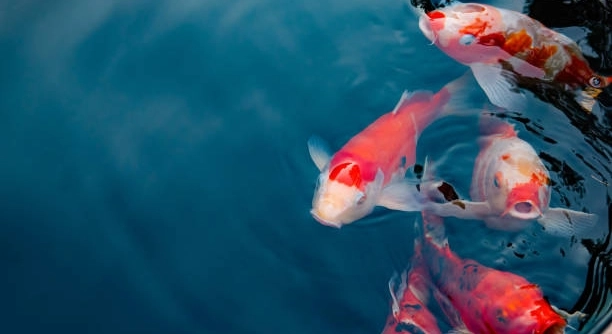
Falling leaves are a common sight in ponds where koi live. These colorful additions can affect koi behavior in different ways. Understanding how koi react to leaves can help maintain a healthy and peaceful pond environment.
Koi exhibit various reactions to falling leaves, including curiosity, feeding behavior, hiding, and increased activity. These responses vary depending on the koi’s temperament, pond conditions, and the type of leaves present. Leaves may also influence water quality, affecting koi indirectly.
Observing these behaviors offers insight into koi care and pond management throughout the changing seasons. This knowledge supports better interaction with koi and a balanced aquatic environment.
Curiosity and Exploration
Koi often show curiosity when leaves begin to fall into their pond. They may swim up to inspect the new objects, nudging or circling around the leaves. This behavior reflects their natural instinct to investigate changes in their environment. Curiosity helps koi stay aware of potential food sources or threats. When koi encounter leaves, some may attempt to nibble on them, although leaves are not a primary food source. The texture and movement of leaves in the water can stimulate their interest. This reaction is usually harmless and can even provide mental stimulation. However, koi that frequently nibble on leaves may be searching for other nutrients or simply playing. Observing this behavior allows pond owners to monitor koi health and adjust feeding if needed. Maintaining clean water and removing excess leaves supports a safe environment while allowing koi to enjoy their natural curiosity.
Koi’s exploratory behavior towards leaves is a normal part of their adaptation to seasonal changes.
Awareness of koi curiosity can guide pond care, ensuring koi remain engaged and healthy during leaf fall. Encouraging this interaction helps maintain a balanced habitat.
Feeding Response and Leaf Impact
Leaves falling into a koi pond sometimes trigger feeding behaviors. Koi may mistake leaves for edible material or try to find insects attached to the leaves. Although koi primarily eat pellets and aquatic plants, leaves can attract them due to their movement or scent. Not all leaves are safe; some may release substances that affect water quality and koi digestion. Decaying leaves contribute to organic matter buildup, potentially lowering oxygen levels. It is important to remove excessive leaves to avoid water problems. Providing proper nutrition and clean water helps koi remain healthy despite seasonal debris. Feeding koi consistently and monitoring their reaction to leaves ensures they do not rely on leaves as a food source. This approach prevents digestive issues and supports koi well-being. A pond net or regular leaf removal can minimize leaf accumulation and maintain water clarity.
Managing koi feeding response to leaves prevents health risks while supporting natural pond dynamics.
Hiding and Seeking Shelter
Koi often seek shelter beneath leaves when they feel threatened or want to rest. The shade created by fallen leaves offers a sense of security. This behavior helps koi avoid strong sunlight or potential predators.
Leaves create shaded areas that koi use for hiding or resting. This natural cover mimics aquatic plants and provides protection. In ponds with many leaves, koi tend to spend more time in these sheltered spots, reducing stress. However, excessive leaf buildup can reduce oxygen levels under the cover, which may affect koi health. Regular pond maintenance balances providing shelter with water quality. Observing koi behavior under leaf cover helps identify if they use leaves for comfort or if pond conditions require attention.
Using leaves as shelter is part of koi’s natural survival instincts and contributes to their daily routine.
Increased Activity Around Leaves
Koi sometimes become more active when leaves fall into their pond. The disturbance caused by leaves hitting the water surface stimulates their movement. This increased activity can be beneficial for koi exercise.
The presence of falling leaves encourages koi to swim more actively, investigating the changes. This stimulation helps koi stay alert and agile, which is important for their physical health. Activity levels may increase during leaf fall seasons, reflecting koi’s response to environmental changes. While this can be positive, excessive leaf accumulation can lead to water quality issues, so careful monitoring is necessary. Providing space and clean water allows koi to move freely and enjoy the benefits of seasonal stimulation without stress.
This seasonal boost in activity supports koi well-being and natural pond dynamics.
Leaf Interaction and Play
Koi sometimes interact playfully with leaves drifting on the water’s surface. They may push or chase leaves, treating them like floating objects to explore. This behavior adds variety to their daily routine and provides gentle stimulation.
Playful interaction with leaves helps koi stay engaged in their environment. It encourages movement and reduces boredom, which is important for their overall health. While koi do not rely on leaves as food, this activity supports natural behaviors and mental well-being. Ensuring the pond remains clean while allowing some leaves to float can balance koi entertainment and water quality.
Impact on Water Quality
Falling leaves increase organic matter in the pond, which can affect water quality. Decomposing leaves lower oxygen levels and release tannins, potentially discoloring the water. Managing leaf accumulation is essential to maintain a healthy pond environment.
Seasonal Behavioral Changes
Koi behavior changes as seasons shift and leaves fall. They may slow activity and seek shelter more often in colder weather, reflecting natural adaptation. These adjustments help koi conserve energy and cope with environmental changes.
Leaf Removal Tips
Regularly removing excess leaves prevents water problems and supports koi health. Using a net or pond vacuum keeps the pond clean without disturbing the fish.
FAQ
How do falling leaves affect koi health?
Falling leaves can impact koi health indirectly by changing water quality. When leaves decompose, they release organic matter that lowers oxygen levels and increases ammonia. This creates stress for koi and may cause health problems. Removing excess leaves helps maintain clean water and prevents these issues.
Are all types of leaves safe for koi ponds?
Not all leaves are safe. Some, like oak or pine, release substances that can lower pH or introduce toxins. Deciduous leaves like maple or birch are generally less harmful but still need removal to avoid water quality issues. Knowing the types of trees around your pond helps in managing leaf fall.
Can koi eat fallen leaves?
Koi might nibble on leaves, but leaves are not a suitable food source. Eating too many leaves can upset their digestion and lead to health problems. It is important to provide balanced koi food and remove excess leaves to prevent koi from relying on them.
How often should I remove leaves from my pond?
Leaf removal depends on the season and pond size. During heavy fall periods, daily or every other day removal is ideal. In milder seasons, weekly cleaning is usually enough. Frequent removal prevents organic buildup, maintaining good water conditions and reducing koi stress.
What is the best way to remove leaves from a koi pond?
Using a pond net is the simplest way to remove floating leaves without disturbing koi. For settled leaves, a pond vacuum or rake can help clean the bottom. Removing leaves regularly ensures the pond stays healthy and koi have clear water.
Why do koi hide under leaves?
Koi use leaves as natural shelter, especially when seeking shade or feeling threatened. The cover provided by leaves mimics aquatic plants and reduces light intensity, making koi feel safe. This behavior is part of their instinctual response to environmental changes.
Does leaf buildup affect oxygen levels in the pond?
Yes, decomposing leaves consume oxygen in the water. When oxygen levels drop, koi can become stressed or suffer from respiratory issues. Ensuring proper aeration and removing excess leaves helps maintain oxygen levels suitable for koi health.
Can leaves cause algae growth in koi ponds?
Decomposing leaves add nutrients like nitrogen and phosphorus to the pond. These nutrients can promote algae growth, which may cloud the water and reduce oxygen. Managing leaf accumulation and controlling nutrient levels helps keep algae in check.
How do koi react when leaves fall suddenly?
Koi often respond with increased activity and curiosity when leaves fall suddenly. They may swim quickly to investigate or chase the leaves. This reaction stimulates their natural instincts and provides physical exercise, contributing to their well-being.
Is it harmful if leaves sink to the bottom of the pond?
Leaves that sink to the bottom can decay and release harmful substances into the water. This process reduces water quality and increases maintenance needs. Regular cleaning of pond bottoms minimizes the impact of submerged leaves on koi health.
Final Thoughts
Falling leaves bring noticeable changes to koi ponds, affecting both the environment and the fish. Koi react to leaves in several ways, from curiosity and playfulness to seeking shelter. While leaves offer some benefits, such as providing shade and stimulation, they also introduce challenges. Decomposing leaves add organic material to the water, which can lower oxygen levels and change water chemistry. This creates the need for regular pond maintenance to protect koi health. Balancing the natural presence of leaves with proper care helps keep the pond environment stable.
Maintaining water quality during leaf fall seasons is essential. Removing excess leaves prevents the buildup of decaying material that can harm koi. Using tools like nets or pond vacuums makes this task manageable without disturbing the fish too much. It is also important to monitor koi behavior, as changes may indicate stress caused by poor water conditions or other factors related to leaf accumulation. Providing a balanced diet and clean water supports koi through seasonal transitions, helping them stay healthy despite environmental changes.
Observing koi reactions to falling leaves offers insight into their behavior and needs. They are naturally curious and responsive to changes in their surroundings. Allowing koi to interact with leaves in moderation provides mental and physical stimulation. However, controlling leaf accumulation ensures the pond remains a safe and healthy habitat. Proper care during leaf season promotes koi well-being and helps maintain a thriving aquatic environment year-round.

Hello,
If you enjoy the content that we create, please consider saying a "Thank You!" by leaving a tip.
Every little bit helps us continue crafting quality advice that supports the health, happiness, and well-being of pets around the world, for pets of all shapes, sizes, and species.
We really appreciate the kindness and support that you show us!