
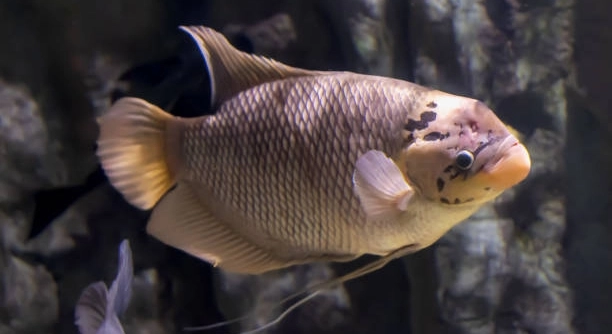
Gouramis are popular freshwater fish, often admired for their calm nature and colorful appearance. Many hobbyists keep them in home aquariums, but their behavior can change under different lighting conditions. Understanding their reactions is important.
Gouramis exhibit several reactions to bright light, including hiding, color fading, rapid gill movement, fin clamping, increased swimming speed, reduced feeding, and stress displays. These behaviors reflect their sensitivity to light intensity and adaptation strategies in their environment.
Recognizing these reactions can help you maintain a comfortable environment for your gouramis, ensuring their well-being and encouraging natural, healthy behavior in your aquarium.
Hiding and Seeking Shelter
Gouramis often respond to bright light by seeking shelter in plants, decorations, or shaded areas of the tank. This instinctive behavior helps them feel safe and reduces stress caused by sudden or intense lighting. In my experience, providing plenty of hiding spots like tall plants or caves makes a noticeable difference in how comfortable they appear. Bright lighting can overwhelm their sensitive eyes, and retreating to darker areas allows them to regulate exposure. Over time, I noticed that gouramis gradually return to open spaces once they feel secure. Consistent lighting schedules also help them adjust and prevent sudden stress responses. Observing these hiding patterns gives insight into their natural coping mechanisms. Hiding is not a sign of illness but rather a normal response to environmental changes. Maintaining a balanced environment supports their health and keeps them active during their usual swimming periods, rather than constantly stressed or withdrawn.
Bright light often triggers this instinctive hiding, helping gouramis maintain comfort and reduce stress in their tank environment.
Providing consistent lighting and plenty of shaded areas allows gouramis to explore without fear, gradually adjusting to the tank’s brightness. Over time, this balance encourages more natural activity patterns. I noticed that gouramis who have ample hiding spots spend less time in stressed positions, like fin clamping or rapid darting. Instead, they swim more calmly and interact with their surroundings confidently. Even slight adjustments in tank layout, such as adding taller plants near the edges or floating decorations, can significantly reduce light-induced anxiety. Observing their preferred hiding spots can also help identify areas of the tank that need improvement. Gradual changes in lighting intensity, rather than sudden bright lights, are essential to help them adapt. This approach ensures the fish stay healthy and display normal behaviors like feeding and exploring. Keeping a consistent routine and comfortable environment reinforces their sense of safety and prevents unnecessary stress responses.
Color Fading
Bright light can cause gouramis’ vibrant colors to fade temporarily, especially if the exposure is prolonged or sudden. This change is a protective mechanism to avoid attracting predators in nature.
Color fading occurs as a natural reaction to high light intensity, helping gouramis manage stress and environmental exposure.
In my aquarium, I noticed that gouramis placed under direct strong lighting would show paler tones within minutes. Their colors return gradually once they move to shaded areas or when the light intensity is reduced. This fading is not permanent and does not indicate illness, but it can signal that adjustments are needed to lighting schedules or tank placement. Gentle, diffused lighting helps maintain their colors without overwhelming them. Color changes can also coincide with other stress behaviors, like hiding or fin clamping, making it important to observe the full range of responses. By providing areas with lower light and using soft, natural lighting, gouramis retain their bright, healthy appearance. Monitoring their reactions closely helps ensure the tank environment remains comfortable, allowing them to display their natural colors and behavior consistently.
Rapid Gill Movement
Rapid gill movement is a clear sign that gouramis are reacting to bright light. Their breathing speeds up as they attempt to cope with stress, often accompanied by slight restlessness or quick swimming.
In my tank, I noticed that when lights were too strong, gouramis would breathe noticeably faster, moving from one shaded area to another. This response is temporary, usually calming down once they find shelter or the light intensity drops. It is a natural coping mechanism, signaling that the fish are uncomfortable and need relief from the bright environment. Watching their gill movements closely helps identify when lighting adjustments are necessary.
To reduce rapid gill movement, I adjusted lighting gradually and added floating plants for natural shade. Over time, the gouramis settled into calmer breathing patterns, showing less agitation and more normal swimming behavior throughout the day. Consistent observation is key to ensuring their comfort and overall health.
Fin Clamping
Fin clamping occurs when gouramis press their fins tightly against their bodies in response to bright light. This reaction signals stress and discomfort, often paired with hiding or color fading.
When my gouramis experienced strong lighting, they would frequently clamp their fins for long periods. This behavior reduces exposed surface area and helps them feel less vulnerable. It often appears during sudden changes in lighting or when the tank is too bright for extended periods. Fin clamping is reversible, and observing it is a helpful indicator that environmental adjustments are needed to improve comfort.
Adding shaded areas and gradually acclimating the fish to higher light levels significantly reduced fin clamping. I also noticed that gouramis became more active and resumed normal swimming once they had control over their exposure. This simple adjustment encourages healthy behavior while minimizing stress-related responses in the tank.
Increased Swimming Speed
Gouramis often swim faster when exposed to bright light. This sudden burst of activity is a stress response, reflecting their attempt to escape or find a shaded area.
Over time, I noticed that providing gentle lighting reduced these frantic movements. They swam calmly and explored the tank without stress, showing a clear improvement in behavior.
Reduced Feeding
Bright light can make gouramis less interested in food. Stress and discomfort often suppress their appetite, causing them to ignore meals they normally enjoy.
In my experience, adjusting the lighting and offering shaded feeding spots encouraged the gouramis to eat regularly. This simple change prevented weight loss and kept them healthy and active.
Stress Displays
Gouramis may show stress through body trembling or subtle erratic movements when light is too intense. Observing these behaviors helps identify discomfort and environmental issues.
FAQ
Why do gouramis hide when the light is bright?
Gouramis naturally seek shelter under strong light because they feel exposed. Hiding helps them feel safe and reduces stress. In my tank, I added tall plants and small caves, which allowed the fish to retreat comfortably without interrupting their normal swimming. Providing shaded areas encourages calmer behavior and keeps them healthy.
Can bright light harm gouramis permanently?
Bright light is usually not harmful if exposure is limited, but constant intense lighting can stress them over time. I noticed that prolonged exposure caused color fading and rapid gill movement. Adjusting the tank’s lighting gradually and including shaded areas prevents long-term stress and supports their natural behaviors.
How can I reduce stress from bright lights?
Gradual light adjustments and plenty of shaded zones are effective. I often use floating plants to soften the intensity and create natural hiding spots. A consistent day-night cycle also helps gouramis adapt and feel secure. Observing their behavior daily allows for quick corrections when stress signs appear.
Why do their colors fade under bright light?
Color fading is a natural response to high light intensity. It is a protective mechanism, signaling that the fish are uncomfortable. In my experience, gouramis regain their vibrant colors once they move to shaded areas or the lighting is reduced. Fading is temporary and reversible.
Is fin clamping dangerous for gouramis?
Fin clamping itself is not harmful, but it indicates stress. I noticed that repeated fin clamping often coincides with other stress behaviors, like hiding or rapid swimming. Ensuring soft lighting and shaded zones helps reduce this behavior and supports overall well-being.
How do gouramis react when feeding under bright light?
They may eat less or ignore food entirely if the lighting is too strong. I observed that offering food near shaded areas encouraged regular feeding. This simple adjustment prevents weight loss and keeps them active, while maintaining normal eating habits.
Do all gouramis react the same way to light?
Reactions can vary by species and individual temperament. In my tank, some gouramis tolerated brighter areas better, while others immediately sought shelter. Observing each fish’s preferences helps tailor lighting and tank layout to reduce stress for all inhabitants.
How long does it take for gouramis to adapt to bright light?
Adaptation depends on the intensity and consistency of exposure. Gradual increases over several days or weeks usually allow them to acclimate. I found that using floating plants and shaded corners speeds up the adjustment, making the fish more comfortable and active in the long term.
Can light intensity affect their social behavior?
Yes, bright light can make gouramis more aggressive or withdrawn. I noticed that reducing light intensity encouraged calmer interactions and less territorial disputes. Providing shaded areas also allows subordinate fish to avoid conflict and feel safe within the tank environment.
Are there signs I should watch for to prevent stress?
Key signs include hiding excessively, color fading, rapid gill movement, fin clamping, and erratic swimming. Monitoring these behaviors daily helped me adjust lighting and tank setup quickly, ensuring the gouramis stayed healthy and stress-free.
Gouramis are sensitive fish, and their reactions to bright light are natural ways of coping with stress. Observing these behaviors closely is essential for anyone keeping them in a home aquarium. Hiding, color fading, rapid gill movement, fin clamping, increased swimming speed, reduced feeding, and stress displays all indicate that the fish are trying to manage their exposure to strong light. Each behavior provides clues about how the gouramis feel in their environment. By noticing these signs, aquarists can make small but meaningful adjustments, such as adding shaded areas, floating plants, or gentle lighting, to create a more comfortable habitat. These changes support the fish’s overall health and help prevent long-term stress-related issues.
Providing a balanced lighting schedule is one of the simplest ways to reduce stress in gouramis. Gradually introducing brighter light rather than exposing them suddenly can make a noticeable difference in how the fish behave. In my experience, gouramis respond well when they have control over where they are in the tank, allowing them to retreat to shaded areas whenever they need. Floating plants, tall decorations, and natural-looking hiding spots all help gouramis feel safe. Over time, these fish become more confident in exploring the tank without displaying panic or excessive hiding. Their colors also remain more vibrant, feeding habits improve, and interactions between tank mates become calmer. Consistent observation is key, as every fish may react differently, and small adjustments can have significant positive effects.
Understanding how gouramis respond to bright light benefits both the fish and the aquarist. When their environment is suited to their needs, they display natural behaviors, remain healthy, and live longer. Regularly monitoring for stress signs allows timely changes to lighting, tank layout, and feeding areas. Maintaining a comfortable tank environment also strengthens the connection between the fish and the keeper, making aquarium care more enjoyable. By paying attention to the subtle cues of gouramis, it is possible to create a balanced, supportive environment that encourages activity, bright colors, and overall well-being. Ultimately, respecting their sensitivity to light helps ensure a thriving and harmonious aquarium.

Hello,
If you enjoy the content that we create, please consider saying a "Thank You!" by leaving a tip.
Every little bit helps us continue crafting quality advice that supports the health, happiness, and well-being of pets around the world, for pets of all shapes, sizes, and species.
We really appreciate the kindness and support that you show us!