
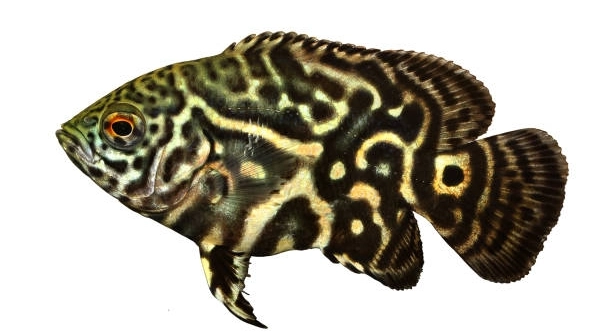
Oscar fish are popular aquarium pets, known for their vibrant personalities and unique behaviors. However, some of their quirks may seem unusual to their owners. Understanding these traits can help ensure a healthier and happier life for your fish.
Oscar fish may exhibit rare but harmless behaviors, such as “barking” at their reflection or even playing with objects in their tank. These quirks are often linked to their curious nature and intelligence. While odd, they pose no harm to the fish.
These interesting behaviors can be fun to observe and give deeper insight into your Oscar fish’s world. Understanding them will allow you to better care for these fascinating creatures.
Oscar Fish Barking at Their Reflection
Oscar fish often exhibit a curious behavior of “barking” at their own reflection in the glass. This behavior may appear odd, but it’s actually a display of their intelligence. Oscars are highly territorial, and their reflection can trigger their instinct to protect their space. While this may seem aggressive, it’s typically harmless, as they’re only responding to what they think is another fish in their environment.
This “barking” behavior is often accompanied by rapid movements and flaring of their gills, further emphasizing their defensive instincts. It’s a sign of their active nature and keen awareness of their surroundings. Some owners even find this behavior amusing as their Oscars interact with their reflection, seemingly unaware it’s not another fish.
However, if the reflection is constantly present, it may cause stress over time. It’s a good idea to minimize this interaction, especially during times when the fish needs rest or calmness. A simple solution is to move the tank or add plants and decorations to block the reflection.
Playing With Objects
Oscar fish enjoy interacting with objects in their tank. They may nudge, push, or even carry small items like rocks or decorations. This behavior is not a sign of distress but rather an expression of their curiosity and playful nature.
Oscars have been observed using objects to engage in what seems like play, similar to how some mammals interact with toys. This behavior is part of their intelligent nature and reflects their need for mental stimulation. By moving or manipulating objects, they keep themselves entertained and active.
Adding items such as floating toys or ping-pong balls can help fulfill this natural urge. Providing enrichment not only keeps your Oscar fish engaged but also supports its overall well-being. Keeping them mentally stimulated is key to maintaining a healthy, active pet.
Odd Swimming Patterns
Oscar fish sometimes swim in odd, circular patterns or even appear to “wobble” as they move. This behavior is often misunderstood as a sign of illness. However, in many cases, it’s simply a quirk of their personality. Oscars may swim erratically when they’re excited or exploring their environment.
Their natural curiosity can lead to these unexpected swimming patterns. Sometimes, they may even swim in circles just to observe everything around them. While this behavior can seem strange, it’s important to remember that Oscar fish are known for their playful and dynamic nature. The erratic swimming is often a sign of energy and excitement rather than a health issue.
If this behavior becomes excessive, it might be worth checking water quality or tank conditions. Stress factors like poor water conditions or an unsuitable tank setup can cause confusion in their movements. However, as long as the behavior is occasional and not consistent, it’s typically harmless.
Flashing Against Surfaces
Oscar fish have been known to flash against tank surfaces, such as rocks, gravel, or decorations. This behavior involves the fish rubbing its body against objects, which can appear unusual or alarming. Flashing is commonly associated with irritation or discomfort, but it is often harmless and part of their natural behavior.
Oscars may flash to shed excess slime coat or remove small irritants. It could also be a way of scratching themselves if they feel the need. While flashing can indicate mild irritation, it is not necessarily a cause for concern unless the fish is doing it repeatedly or excessively. In those cases, it might be a sign of external parasites or water quality issues.
Pay close attention to the frequency of flashing. If it becomes a constant habit or your fish appears to be rubbing against objects more often than usual, testing the water parameters and checking for potential parasites would be advisable. Otherwise, it’s just another odd, harmless quirk.
Pushing Tank Decorations
Oscar fish are known for pushing around tank decorations. Whether it’s a rock, plant, or even a small piece of driftwood, Oscars will often move things around with their mouths or fins. This is simply part of their curious and exploratory nature.
This behavior is not harmful, and in fact, it can be seen as a sign of their intelligence. Oscars are keenly aware of their surroundings and may alter the placement of objects to create a more comfortable space. They might do this to make their environment feel safer or just to test the placement of items within the tank.
Since this is part of their instinct to explore and manipulate their surroundings, there’s no need for concern unless they’re repeatedly damaging decorations. You can consider securing larger items with aquarium-safe adhesives or heavier decorations that are difficult to move.
Jumping Out of the Tank
Oscar fish are known to be jumpers. They can leap out of the tank if they feel threatened or are in an environment that’s not optimal for them. This behavior can be startling, but it’s often a sign of stress.
The main reason Oscars jump is due to poor water conditions, overcrowding, or sudden changes in their environment. They might also jump when startled by loud noises or rapid movements around the tank. Ensuring the tank has a secure lid can prevent these accidents.
Pay attention to the setup and environmental conditions. If your Oscar seems restless or is frequently jumping, rechecking water parameters, tank size, and the number of other fish might be necessary.
Nipping at Other Fish
Oscar fish are known for their sometimes aggressive nature, especially when it comes to smaller tank mates. They may nip at other fish, especially during feeding time or when they feel their space is threatened. It’s important to keep tank compatibility in mind when housing Oscars with other species.
Although Oscars are territorial, the nipping behavior is often not serious, as they may simply be asserting dominance or competing for food. However, it can become more aggressive if there’s not enough space or if there are too many fish in the tank. This behavior is natural and not always a cause for concern unless it leads to injury or excessive stress for other fish.
Providing plenty of hiding spots and space can help reduce aggression. Oscars thrive when they feel they have a territory to defend, and giving them room to roam can minimize their need to assert dominance.
FAQ
Why is my Oscar fish hiding all the time?
Oscar fish can hide for several reasons, most of which are related to stress or discomfort. They may hide if they feel threatened by other fish or if their environment has suddenly changed. If there are too many fish in the tank or the water quality is poor, an Oscar might seek refuge in a corner or behind decorations. It’s also common for Oscars to hide when they are sick or unwell. To reduce stress, try creating a more comfortable environment by adjusting the tank setup, ensuring water conditions are ideal, and providing more hiding spots.
How often should I feed my Oscar fish?
Oscar fish are typically fed once or twice a day, depending on their age and size. Juvenile Oscars may require more frequent feedings to support their growth, while adult Oscars can usually thrive with a single meal per day. Overfeeding can lead to water quality issues and obesity, so it’s important to avoid feeding them too much at once. Offering a varied diet, such as pellets, live food, and occasional frozen items, will ensure they get the nutrients they need.
Why is my Oscar fish swimming sideways?
Oscars may swim sideways or appear to be tilted due to a few different causes. One common reason is a swim bladder disorder, which affects their buoyancy and causes them to swim abnormally. This can result from overfeeding, stress, or an underlying illness. It could also be a sign of poor water conditions, so it’s crucial to check your water parameters. If the behavior persists or is accompanied by other signs of distress, consulting a vet or aquarium expert would be beneficial.
Can Oscars live with other fish?
Oscar fish can live with other fish, but only under the right conditions. Due to their territorial nature, Oscars may become aggressive, especially if other fish are smaller or weaker. It’s best to keep them with fish that are large enough to defend themselves and that can tolerate their assertive behavior. Suitable tank mates include larger cichlids, catfish, and other robust species. Avoid keeping Oscars with small, slow-moving fish, as they might become prey. Ensuring the tank is large enough for all the fish to have their own space is essential.
What is the ideal tank size for an Oscar fish?
Oscar fish need a tank that offers plenty of swimming space, as they can grow quite large. A minimum of a 55-gallon tank is recommended for one Oscar, but larger tanks are always better. As they grow, they need more space to move around comfortably. A 75-gallon tank or larger is ideal for adult Oscars. The tank should also have a strong filtration system, as Oscars produce a lot of waste. The more space you provide, the healthier and more comfortable your Oscar will be.
Why does my Oscar fish eat everything?
Oscar fish are known for their hearty appetites and will often eat anything they can fit into their mouths. This behavior stems from their natural instincts, as they are opportunistic feeders in the wild. They may consume a wide variety of food, including pellets, insects, and smaller fish. While this can be entertaining to watch, it’s important to feed them a balanced diet to avoid health problems. Overeating can lead to obesity, so it’s essential to feed your Oscar in moderation and offer a variety of food types.
How can I tell if my Oscar fish is stressed?
Stress in Oscar fish can manifest in several ways. Signs of stress include erratic swimming, hiding frequently, loss of appetite, and scratching against objects. They may also display aggression, especially if there are new fish or changes in their environment. Stress can be triggered by poor water quality, overcrowding, or a lack of hiding spots. To reduce stress, ensure the tank is properly maintained, avoid sudden changes, and give your Oscar enough space to feel secure.
Why is my Oscar fish breathing heavily?
Heavy breathing in Oscar fish could indicate several potential issues, such as poor water quality, high ammonia levels, or low oxygen content in the water. If the tank is overcrowded or if there’s insufficient filtration, the water may not be providing enough oxygen, causing your Oscar to breathe more heavily. It could also be a sign of illness or stress. Checking the water parameters, ensuring good filtration, and maintaining proper tank conditions are essential steps to address heavy breathing.
How do I know if my Oscar fish is sick?
Sick Oscar fish often display physical and behavioral changes. Common signs of illness include changes in eating habits, lethargy, abnormal swimming patterns, or unusual markings on their skin, such as spots or lesions. If your Oscar is scratching against objects, flashing, or breathing heavily, these could be signs of external parasites or internal issues. Checking water quality and tank conditions is the first step in identifying any issues, and consulting a vet or fish specialist will help ensure proper diagnosis and treatment.
What should I do if my Oscar fish gets injured?
If your Oscar gets injured, it’s important to assess the damage and remove any sources of stress. If the injury is minor, such as a small scratch, the fish will often heal on its own. However, if there’s bleeding or a more serious injury, you may need to isolate the fish in a separate tank or quarantine area to prevent infection. Maintaining clean water and possibly using aquarium salt can help with healing. If the injury is severe or shows no signs of improvement, seeking advice from a vet or aquarium professional is recommended.
Final Thoughts
Oscar fish are fascinating creatures, known for their intelligence and bold personalities. While they can sometimes display quirky behaviors, most of these actions are natural and harmless. Whether it’s rearranging their tank or displaying aggression, these actions are often just part of their nature. Understanding these behaviors helps ensure that Oscars live happy, healthy lives in their tanks. With the right care, Oscars can thrive in home aquariums for many years, providing their owners with entertainment and companionship.
It’s important to pay attention to the needs of your Oscar fish, such as providing an appropriately sized tank, maintaining good water quality, and feeding them a balanced diet. They are large fish that require plenty of space, and ensuring their tank environment is comfortable will reduce the likelihood of stress. A healthy Oscar is a content one, and when these conditions are met, they tend to show fewer signs of aggression and stress. While they are capable of living with other fish, choosing compatible tank mates can help prevent conflict and ensure a more peaceful tank environment.
Ultimately, Oscar fish are enjoyable pets, but they come with responsibilities. By keeping an eye on their behaviors and addressing any potential health or environmental issues, you can ensure that your Oscar will live a long, fulfilling life. Proper care and attention will help reduce any concerns regarding their quirks, and you will learn to appreciate their individual personalities over time. With the right setup, an Oscar can be a captivating addition to your aquarium, offering both challenge and enjoyment.

Hello,
If you enjoy the content that we create, please consider saying a "Thank You!" by leaving a tip.
Every little bit helps us continue crafting quality advice that supports the health, happiness, and well-being of pets around the world, for pets of all shapes, sizes, and species.
We really appreciate the kindness and support that you show us!