
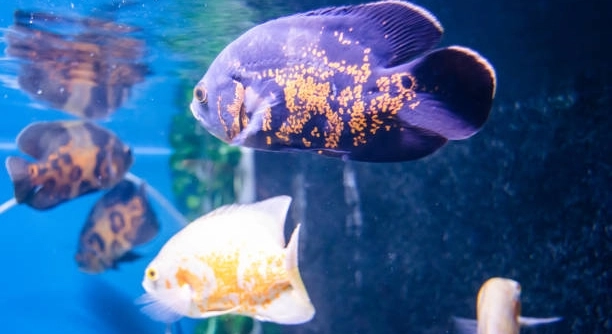
Oscar fish are fascinating creatures known for their vivid personalities. Their behavior can be quite interesting, sometimes leaving owners curious about whether certain actions are normal or cause for concern. Let’s explore some uncommon, yet harmless, behaviors they may exhibit.
Oscar fish are known for displaying several unusual behaviors, many of which are harmless. These behaviors can range from occasional fin twitching to playful interactions with objects in their tank, signaling curiosity or comfort within their environment.
Understanding these behaviors will help you interpret your Oscar’s actions more clearly, ensuring both you and your fish enjoy a healthy and happy relationship.
Sudden Jumping or Splashing
Oscar fish may suddenly jump or splash around in their tank, which might worry owners. It’s important to note that these actions are often a form of playful behavior rather than a sign of distress. These bursts of energy can happen during feeding time or when the fish are particularly excited.
When your Oscar fish engages in this behavior, it’s not necessarily a sign of poor health. It’s common for Oscar fish to explore their surroundings by jumping or splashing. However, it’s still wise to make sure the tank has a secure lid to prevent them from accidentally leaping out.
While jumping and splashing are often harmless, they can also indicate that your fish is trying to communicate or release built-up energy. If this becomes frequent or intense, it may be a good idea to check the water quality and tank setup. Make sure your Oscar has enough space to swim freely and enjoy its environment without the need for excess energy release.
Burying Objects
Oscar fish are often seen moving small objects or substrate around in their tank. This behavior can appear unusual but is typically harmless. Burying or shifting objects may be a natural way for them to explore their environment or create a more comfortable space.
These actions are common and are usually driven by the Oscar’s instinct to seek out hiding spots or alter its surroundings for comfort. They may also be engaging with decorations or gravel, which helps them feel secure. If your Oscar seems to move objects around frequently, it’s usually a sign of a happy, curious fish.
While this behavior is typically normal, it’s essential to ensure that nothing in the tank can harm your Oscar. Avoid sharp or heavy objects that could potentially injure the fish during its digging or burying activities. Ensure the substrate is soft enough for the fish to dig without causing stress or injury.
Flashing or Shaking
Flashing or shaking is when your Oscar fish suddenly moves rapidly from side to side or shakes its body. While this behavior may seem strange, it is usually harmless. Oscars often do this to rid themselves of irritants or simply because they are excited.
This behavior can also be seen when the Oscar is interacting with its surroundings. It may be reacting to changes in the environment or trying to communicate. Although flashing and shaking are often not concerning, you should observe your fish for any signs of stress or discomfort.
Excessive Hiding
Oscars can sometimes hide for long periods, especially when they are feeling stressed or unwell. It’s important to check the conditions of the tank, like water quality and temperature, to ensure your Oscar has a comfortable environment. Stress can make them seek refuge.
However, excessive hiding could also indicate that your Oscar is simply adapting to its new environment or adjusting to a change in its routine. If the hiding continues for extended periods, check for possible stressors like aggressive tank mates or improper water conditions that might be causing discomfort.
FAQ
Why does my Oscar fish swim in circles?
Oscar fish can swim in circles for various reasons. Sometimes it’s simply a sign of curiosity or exploration. Oscars are known for their intelligence, and swimming in circles may be part of their way of interacting with the environment. If the behavior seems excessive, it could indicate stress or a lack of stimulation. Ensure that the tank is properly decorated with hiding spots and toys to keep the fish mentally engaged. Also, check the water quality regularly to make sure there’s nothing affecting your Oscar’s comfort.
Is it normal for my Oscar to chase its reflection?
Yes, it is normal for Oscar fish to chase their own reflection, especially if they see themselves in the glass of the tank. This behavior can stem from curiosity or territorial instincts. They may view their reflection as another fish, prompting them to swim aggressively toward it. While this behavior is not harmful, it can be stressful for the Oscar if it becomes obsessed with the reflection. One way to reduce this behavior is by reducing light reflection on the tank glass or by placing decorations that break up the view.
How can I tell if my Oscar is sick?
A sick Oscar fish may exhibit a range of unusual behaviors or physical signs. Look for symptoms like faded colors, unusual swimming patterns, or a lack of appetite. Oscars may also display rapid gill movement, clamped fins, or lesions on their bodies. If your fish is hiding more than usual or seems lethargic, it could be a sign of illness. The best course of action is to check the water quality, as poor water conditions are often a contributing factor to health problems. If the symptoms persist, consulting with a veterinarian who specializes in fish would be beneficial.
Why does my Oscar fish rub against rocks?
Oscar fish rubbing against rocks, glass, or decorations is often a sign of irritation, either due to parasites, dry skin, or other health issues. This behavior is known as “flashing.” It’s their way of attempting to relieve discomfort. If this behavior persists, inspect your Oscar for signs of external parasites or lesions on the body. Sometimes, poor water quality can also cause irritation, so make sure to maintain a clean environment with the proper filtration and water parameters. If necessary, consult a fish specialist to determine the cause and treatment.
Is it normal for my Oscar to hide when I add new fish?
Yes, it is completely normal for your Oscar to hide when new fish are introduced to the tank. Oscars can be territorial, and the arrival of new tank mates may cause stress. They might seek shelter or retreat to a hiding spot to observe the new arrivals. This behavior typically subsides once the Oscar adjusts to the presence of the other fish. However, be sure to monitor interactions carefully. If aggression becomes an issue, it may be necessary to rearrange the tank layout or separate the fish temporarily.
Why is my Oscar constantly digging at the substrate?
Oscars often dig in the substrate for a variety of reasons, and it’s typically harmless. They may be looking for food or trying to create a space where they feel more comfortable. Digging can also be a sign of boredom or an instinctual behavior that mimics their natural habitat. If your Oscar seems to be digging excessively, check the water conditions and make sure the tank setup is appropriate. Oscars enjoy having a variety of hiding spots and rocks to interact with, so providing these will help keep them engaged and reduce excessive digging.
Can Oscar fish be kept with other species?
Oscar fish can be kept with other species, but they are often best kept with larger, more robust fish that can handle their territorial nature. Oscars are known to be aggressive and may harm smaller fish. It’s important to choose tank mates that are similar in size and temperament. Species such as large cichlids, catfish, or other strong swimmers are typically compatible with Oscars. Before introducing new fish, make sure the tank is large enough to accommodate everyone and that the water quality is ideal for all species involved.
Why is my Oscar fish losing its color?
A loss of color in an Oscar fish can be a sign of several things, including stress, poor water conditions, or illness. Stress from overcrowding, temperature fluctuations, or aggressive tank mates can lead to a dulling of the Oscar’s vibrant colors. Nutritional deficiencies can also cause color fading, so ensure that your fish is being fed a balanced diet. If the color loss continues, it might be worth checking for parasites or other health issues. Regular water changes and maintaining proper tank conditions are essential in keeping your Oscar healthy and colorful.
How often should I feed my Oscar fish?
Oscar fish should be fed once or twice a day, depending on their age and size. Juvenile Oscars may require more frequent feedings, while adult Oscars typically thrive on one meal per day. It’s important to avoid overfeeding, as this can lead to health issues like obesity and water quality problems. A varied diet of pellets, frozen food, and occasional live food will provide the necessary nutrients for your Oscar. Always remove any uneaten food from the tank to keep the water clean and reduce the risk of bacterial growth.
Final Thoughts
Oscar fish are fascinating creatures, and understanding their behavior can help you provide them with a better life. While they may sometimes act in ways that seem odd or unexpected, most of their behaviors are completely harmless. From jumping and flashing to digging or chasing their reflection, these actions are simply part of who they are. As long as you monitor their environment and health, you should be able to enjoy their unique personalities without concern.
It’s important to remember that Oscars are highly intelligent fish. They need stimulation and space to thrive. Keeping them in a well-maintained tank with proper water conditions, appropriate tank mates, and plenty of hiding spots will keep them happy and healthy. They’re social animals, so providing them with enough space to move freely and interact will reduce unwanted stress or boredom.
Finally, if you notice any behavior that seems abnormal or concerning, it’s always a good idea to check the water quality and the overall setup of the tank. A slight change in their routine or environment can sometimes cause stress. By staying attentive to their needs and providing a stable, comfortable habitat, you can ensure that your Oscar fish will live a long, healthy life, full of curious and entertaining behavior.

Hello,
If you enjoy the content that we create, please consider saying a "Thank You!" by leaving a tip.
Every little bit helps us continue crafting quality advice that supports the health, happiness, and well-being of pets around the world, for pets of all shapes, sizes, and species.
We really appreciate the kindness and support that you show us!