
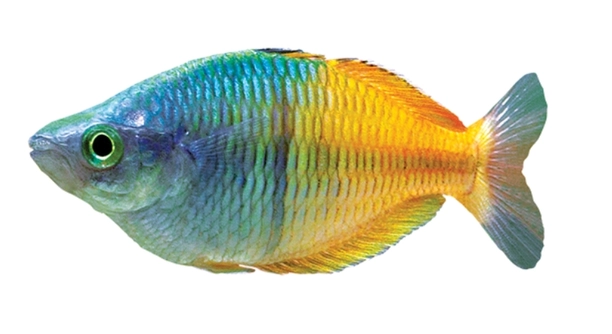
Do you have a rainbow fish in your aquarium and want to understand their behaviors better? You may be missing some important signals they are giving you. These vibrant fish communicate in subtle ways that can affect their health and happiness.
Rainbow fish use a variety of signals to express their feelings, including body posture, color changes, and movement patterns. Understanding these signals can help you provide a better environment and care for your fish, improving their overall well-being.
Learning to read these signals can prevent stress and enhance the bond you have with your fish. With a closer look at their behavior, you’ll know exactly what your rainbow fish are trying to tell you.
Why Do Rainbow Fish Change Color?
Rainbow fish are known for their vibrant colors, but did you know that these hues can change depending on their mood, health, or environment? When a rainbow fish feels threatened or stressed, its colors may fade. On the other hand, a bright display of colors can signal that the fish is healthy and in a comfortable space. This color shift is a natural response to their surroundings and can help you understand how they’re feeling.
Color changes are usually linked to how safe or comfortable the fish feels in its environment. In stressful situations, rainbow fish may dull their colors as a way to hide from potential threats. Bright, vivid colors often mean the fish is in good health and ready to interact with others.
By observing these color changes, you can adjust the tank conditions to better support your fish. If the colors start fading, consider factors such as water temperature, tank mates, or the overall stress levels your fish may be experiencing.
The Importance of Body Posture
When rainbow fish are relaxed, they often swim in a calm, steady manner. A sudden change in body posture can be a sign of stress or discomfort.
A fish’s body language is an important signal. For example, if your rainbow fish starts swimming erratically or with stiff movements, it could be a sign that something in their environment needs adjusting. Whether it’s a water quality issue or tank overcrowding, paying attention to these shifts can help you provide better care.
How Do Rainbow Fish React to Tank Mates?
Rainbow fish can be sensitive to the presence of other species in their tank. If you notice your fish hiding or swimming in circles, it might be reacting to aggressive or dominant tank mates. This can be a sign of stress.
Their reactions are often based on the size, behavior, and number of other fish around them. Overcrowding can cause tension, and certain species might act aggressively toward rainbow fish. It’s essential to ensure your fish have enough space and that their tank mates are peaceful. If the aggression continues, it may be necessary to rearrange the tank or separate the more aggressive fish.
Keeping an eye on how they interact with others will help you make any needed adjustments, ensuring all your fish feel secure. Healthy social dynamics in the tank will reduce stress, and your rainbow fish will likely display more vibrant colors and calmer behavior.
The Effect of Lighting on Rainbow Fish
Rainbow fish are sensitive to light changes in their environment. Intense or fluctuating lighting can cause them stress. When lighting is too harsh, fish may become skittish or hide more often.
Proper lighting is crucial in helping your rainbow fish feel safe. Aim for natural or soft lighting, which mimics their natural habitat. Too bright or inconsistent lighting can disrupt their daily rhythm, making them feel unsettled. You’ll notice the effects through their swimming patterns, as stressed fish may appear restless or stop swimming freely.
Gradually adjusting the lighting or using a timer for consistent light cycles will improve their comfort. The right lighting also supports their overall health, contributing to more vibrant colors and peaceful behavior.
Rainbow Fish and Water Quality
Water quality plays a huge role in how rainbow fish behave. If you notice your fish acting strangely, poor water conditions could be the cause. Bad water quality can lead to stress and illness.
To ensure your rainbow fish are happy, maintain clean water with the right pH, temperature, and oxygen levels. Regular water changes and using a good filtration system will help keep the environment stable. If the water isn’t clean, the fish may stop eating, swim sluggishly, or even develop health issues like fin rot.
Checking the water regularly and making sure it stays optimal is one of the best ways to care for your fish and prevent health problems.
How Feeding Habits Affect Behavior
Rainbow fish, like all fish, can show signs of stress if they’re overfed or underfed. Pay attention to how much food you offer, and avoid overfeeding.
Overfeeding can lead to uneaten food that pollutes the water, leading to poor water quality. Additionally, underfeeding may cause the fish to become weak or agitated. Be mindful of feeding schedules and portion sizes, and remove any uneaten food after a few hours. Healthy feeding habits will promote good behavior and overall well-being.
Stress Signals in Rainbow Fish
Stress can affect rainbow fish in many ways. They might start swimming in circles or darting around the tank.
These signs often indicate that something in their environment isn’t right, like sudden changes in temperature or tank mates that cause tension. If you notice this behavior, it’s important to act quickly by adjusting the environment, whether it’s changing the water or separating aggressive fish. Reducing stress will help keep your rainbow fish calm and healthy.
FAQ
How can I tell if my rainbow fish is stressed?
Stress in rainbow fish is often shown through changes in behavior. If they start swimming erratically, hiding more than usual, or showing signs of fading colors, it may be a sign of stress. Poor water conditions, aggressive tank mates, and sudden changes in the environment can all cause this. Monitoring the fish’s behavior regularly will help you spot stress early. Adjustments such as maintaining stable water parameters or reducing overcrowding may improve their comfort.
Why is my rainbow fish not eating?
If your rainbow fish refuses to eat, it could be due to stress, illness, or water quality issues. First, check the water parameters to make sure they are within the ideal range. Rainbow fish might stop eating if the water is too warm, too cold, or has high ammonia levels. Stress from aggressive tank mates or poor tank conditions could also cause them to lose their appetite. Make sure you’re feeding them high-quality food and avoid overfeeding, as uneaten food can harm water quality.
How do I make my rainbow fish feel more comfortable in their tank?
To make your rainbow fish feel comfortable, start by ensuring the water quality is optimal. Keep the tank clean with regular water changes and ensure the temperature is stable. Rainbow fish enjoy having plants or decorations to swim around, which helps reduce stress. Avoid overcrowding the tank and make sure tank mates are peaceful. Providing a consistent day-night light cycle also helps them feel secure. Lastly, if they seem stressed, make gradual changes to their environment instead of making sudden adjustments.
Can rainbow fish live with other species?
Yes, rainbow fish can live peacefully with many other species. They are generally non-aggressive and do well in community tanks. However, it’s important to pair them with other peaceful species. Avoid aggressive fish that might bully the rainbow fish or disrupt their calm nature. A good mix of tank mates, like peaceful tetras or other small, non-aggressive fish, will help create a harmonious tank environment. Make sure there’s enough space and that no fish feels threatened.
What’s the ideal tank size for rainbow fish?
Rainbow fish require a tank with enough space to swim freely. A tank of at least 30 gallons is ideal for a small group of rainbow fish. Larger tanks are even better, as they provide more space for swimming and help reduce stress. Overcrowding a tank can lead to health issues and aggression, so it’s important to give each fish plenty of room. Additionally, larger tanks are easier to maintain with stable water quality, which is crucial for the fish’s well-being.
How often should I feed my rainbow fish?
Rainbow fish should be fed small amounts 2-3 times a day. They have fast metabolisms, so it’s important to provide them with enough food without overfeeding. Feed them high-quality flakes, pellets, or frozen foods like brine shrimp or daphnia. Make sure to remove any uneaten food after a few hours to prevent water contamination. Regular feeding schedules help keep the fish healthy, but be cautious about offering excessive amounts that they can’t consume quickly.
How can I tell if my rainbow fish is sick?
Sick rainbow fish may show signs such as abnormal swimming behavior, faded colors, lesions, or fin rot. If they become lethargic, stop eating, or begin hiding more often, these can be early signs of illness. Check the water parameters to ensure that the tank conditions aren’t contributing to the problem. If the symptoms persist, consider isolating the sick fish to prevent the spread of disease and seek advice from an aquarium professional or veterinarian. Quick action can often save your fish.
Can rainbow fish live in freshwater or saltwater?
Rainbow fish are freshwater fish and should not be kept in saltwater tanks. They thrive in freshwater environments with clean, well-maintained water. Some species, like the Australian rainbow fish, can tolerate slightly brackish water, but they still require primarily freshwater conditions to stay healthy. Saltwater will likely cause stress and illness in rainbow fish, so it’s important to stick to freshwater setups for the best care.
What is the lifespan of a rainbow fish?
Rainbow fish typically live for about 5 to 8 years, although this can vary depending on factors such as tank conditions and care. Fish that are kept in ideal water quality, fed properly, and not exposed to excessive stress or illness may live longer. Regular tank maintenance and attention to water parameters are key to helping rainbow fish reach their full lifespan.
Do rainbow fish need a heater?
Yes, rainbow fish thrive in warm water, so a heater is recommended for most species. The ideal water temperature for rainbow fish ranges between 72°F to 79°F (22°C to 26°C). Maintaining a stable temperature is important because fluctuations can cause stress and health issues. If you live in a colder climate, using an aquarium heater ensures the water stays within the desired range year-round. Make sure to monitor the temperature regularly to avoid overheating or underheating the water.
Final Thoughts
Rainbow fish are beautiful and peaceful creatures that can thrive in your aquarium with the right care. Their vibrant colors and calm nature make them a great addition to a community tank. However, understanding their behavior and environment is key to keeping them healthy. By paying attention to their signals, such as color changes, body posture, and interaction with tank mates, you can ensure they stay comfortable and stress-free. Regular water maintenance, proper feeding, and a suitable tank size are essential for their well-being.
When you notice changes in your rainbow fish’s behavior, it’s often a sign that something in the environment needs attention. Whether it’s poor water quality, aggressive tank mates, or the lighting, these factors can affect their health and happiness. Maintaining a stable environment and responding quickly to any stress signals will prevent long-term issues. It’s also important to keep in mind that rainbow fish need a balanced social environment with peaceful tank mates, as this can help reduce stress and promote natural, healthy behavior.
By following the basic guidelines for water quality, feeding, and tank conditions, your rainbow fish should live a long and healthy life. Understanding their needs and behaviors will allow you to adjust the aquarium setup when necessary. This approach ensures that your rainbow fish remain vibrant, active, and happy. With a little care and attention, you can enjoy watching these colorful fish thrive in your tank for years to come.

Hello,
If you enjoy the content that we create, please consider saying a "Thank You!" by leaving a tip.
Every little bit helps us continue crafting quality advice that supports the health, happiness, and well-being of pets around the world, for pets of all shapes, sizes, and species.
We really appreciate the kindness and support that you show us!