
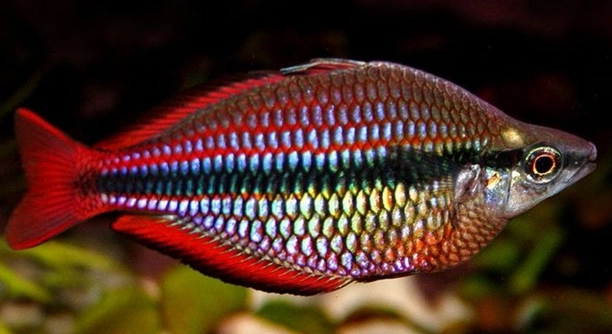
Rainbow fish are often admired for their beauty, but their behavior can be just as fascinating. Some of their habits may appear playful, almost like games, with a rhythm and pattern that seems too deliberate to be accidental.
Rainbow fish exhibit several behaviors that resemble games, such as chasing, darting through plants, and playing tag with other fish. These actions are often related to social interactions, territory defense, or attracting mates, but they appear as lively, game-like activities.
From playful interactions to surprising movements, the social world of rainbow fish is filled with intriguing behaviors that might seem like a game to us. Each of their habits has a deeper, functional purpose beyond entertainment.
1. Rainbow Fish Playful Chasing and Nipping
Rainbow fish often engage in playful chasing, where one fish will quickly swim after another. These games may seem harmless, but they are essential for communication. It’s how they establish social ranks within a group and ensure they’re all in the same rhythm. Chasing helps them bond and maintain their territories, especially in crowded spaces. This behavior isn’t just fun—it’s a way to signal dominance or friendship. Fish that are particularly close will also gently nip each other during these chases, as a sign of camaraderie.
Chasing and nipping are also linked to courtship in rainbow fish. The males will often chase females to display their health and strength, hoping to catch the female’s attention. While these actions may seem playful, they hold a purpose in breeding.
Their playful actions are vital for keeping the group dynamic in check. Rainbow fish have unique ways of maintaining balance in their environment, and chasing helps them stay in sync with one another. It’s fascinating how these fish communicate without words.
2. Zig-Zag Swimming Patterns
The zig-zag swimming pattern rainbow fish sometimes adopt looks almost like a game of tag. At first glance, it can seem like they’re just showing off. However, this behavior serves several important functions. In groups, the fish will swim in these unpredictable patterns to confuse predators. This sudden movement can make it harder for a predator to lock onto one fish. It’s also a way to keep other fish engaged in the activity, creating a sense of playfulness.
This zig-zag movement can also help them avoid being stuck in one area for too long, reducing the chances of becoming an easy target. In the wild, rainbow fish are often vulnerable to larger predators, so having these tricks up their fins is crucial. These maneuvers show just how smart they are, adapting to challenges with fun, efficient tactics.
At times, these zig-zag patterns can even be a playful show of strength. When rainbow fish feel safe, they engage in these patterns as a way to communicate to the other fish that they are in charge. This creates a subtle but clear hierarchy, where every fish has its place.
3. Bubble Blowing and Nest Building
Rainbow fish are known to blow bubbles as part of their nesting behavior. This doesn’t just look like a playful act; it’s essential for creating a suitable place for laying eggs. The bubbles help keep the nest stable by providing structure and buoyancy. Males often blow these bubbles as they prepare to attract females to the area.
The bubble nests are made by trapping air with the help of plants or surfaces like rocks. When the male creates the nest, he carefully arranges the bubbles to ensure it’s the right size and density. The fish then protect these nests, guarding them from any threats.
The bubble-blowing behavior is a clear example of how fish engage in more than just basic survival. It’s part of their mating ritual, where the male’s effort in creating and guarding the nest plays a significant role in winning over a mate. It’s a fascinating glimpse into their complex social lives.
4. Flashing Colors for Attraction or Warning
The vibrant colors of rainbow fish aren’t just for beauty; they serve important purposes in their communication. When fish flash their bright hues, it can be a sign of attraction or a way to warn others. During mating season, males will intensify their colors to catch the attention of females. This color display is essential for courting and ensuring the males’ dominance in the group.
On the other hand, flashing can also serve as a warning. Fish may change their color patterns when feeling threatened, signaling to others that danger is near. This sudden display can help the group react quickly and move to a safer spot.
Color change is also an indicator of a rainbow fish’s mood. The more vibrant the colors, the more confident or alert the fish is. This ability to alter their appearance helps them maintain balance in the community, ensuring both safety and successful mating. The complex role colors play in communication is impressive.
5. Swimming in Schools
Rainbow fish often swim in schools, a behavior that may seem like a fun group activity but is vital for survival. By swimming together, they reduce the risk of predators picking them off one by one. This collective movement helps them stay safe while looking for food or exploring their environment.
The synchronized movements of a school of rainbow fish can confuse predators, making it harder to single out an individual. This display also strengthens social bonds, allowing fish to stay connected as a group. The more fish in the school, the more effective the safety strategy becomes.
6. Dancing in the Current
Rainbow fish are known for their graceful movements, especially when swimming in the current. These fish seem to effortlessly glide, adjusting their bodies to the flow of water. This behavior looks like a playful dance but is actually an efficient way to move with minimal energy.
Their ability to navigate strong currents without tiring is an important skill in their natural habitats. By using the current to their advantage, rainbow fish can conserve energy while still moving through the water to find food or mates.
7. Perch and Flick
Rainbow fish frequently perch on plants or rocks, sitting still for a while before suddenly darting off. This quick movement resembles a flick, as if they’re playing hide-and-seek with their surroundings. This behavior is not only playful but strategic for catching prey.
Sitting still allows them to observe their environment and scan for potential food sources or threats. The flicking motion, when they dart away, can help them quickly escape danger or surprise their prey. It’s an efficient way for rainbow fish to thrive without constant swimming.
FAQ
Why do rainbow fish chase each other?
Rainbow fish chase each other for various reasons, primarily related to social interactions. One of the main reasons is to establish dominance and hierarchy within the group. The males may also chase the females during mating season to show their fitness and attract a mate. Chasing can also be a sign of playful behavior, especially among younger fish. It’s an essential part of their communication system, allowing them to define their roles in the group while staying engaged with one another.
Do rainbow fish get stressed from playing or chasing?
While chasing and playful behavior are natural for rainbow fish, stress can occur if the interactions become too aggressive or if there’s overcrowding. Fish that feel threatened may display signs of stress, like hiding, rapid breathing, or faded colors. However, in a balanced environment with enough space, these behaviors usually do not cause long-term harm. It’s important to monitor their interactions and ensure that no fish is being bullied excessively.
How do rainbow fish communicate with each other?
Rainbow fish communicate through a variety of methods, including body language, color changes, and sounds. They may use their vibrant colors to signal readiness to mate, assert dominance, or warn others of predators. In addition to flashing colors, they also engage in physical behaviors, such as chasing or nipping, to maintain their social structure. Subtle movements and changes in their swimming patterns can also indicate their mood or intentions, like marking territory or seeking attention.
Why do rainbow fish blow bubbles?
Rainbow fish blow bubbles as part of their nesting and mating behaviors. Males blow bubbles near plants or rocks to create a nest where they can attract females. The bubbles help provide stability to the nest and keep the eggs safe once laid. This behavior is part of their courtship ritual, demonstrating the male’s ability to create a secure environment for the female to lay her eggs. The bubbles themselves are not just playful but have a functional role in securing the reproductive process.
What causes rainbow fish to flash their colors?
Rainbow fish flash their bright colors as a way to communicate with others. This can be a display to attract mates during the breeding season, with males showing off their colors to impress females. Flashing colors can also serve as a warning to other fish or potential predators, signaling aggression or alertness. In some cases, rainbow fish may change their colors to blend into their surroundings or to signal distress. These color changes are a significant part of their behavior and social interactions.
Do rainbow fish swim in schools all the time?
Rainbow fish are social creatures and prefer to swim in schools, but it’s not constant. They are more likely to form schools when there is a threat nearby or when they are searching for food. In a safe, calm environment, they may break off into smaller groups or even swim solo for short periods. The school behavior helps with safety and finding food, but it’s not always in effect 24/7. They will naturally group together when they feel the need for protection or social interaction.
Can rainbow fish be kept with other types of fish?
Yes, rainbow fish can usually be kept with other peaceful fish species. They do well in community tanks with species that share similar water conditions and temperaments. However, it’s important to avoid keeping them with overly aggressive or large fish that might outcompete them for food or space. Rainbow fish thrive best in environments where they can school and interact with their own kind, but they can coexist with other gentle species. Always ensure there is enough space and that water parameters match the needs of all fish in the tank.
How do rainbow fish react to sudden changes in water temperature?
Rainbow fish are sensitive to sudden changes in water temperature, which can cause stress and lead to health problems. They prefer stable water conditions, typically between 72°F and 80°F. Rapid temperature fluctuations can cause them to become lethargic, lose their vibrant colors, or even lead to illness. It’s important to maintain a consistent temperature in the aquarium and avoid placing the tank in areas where temperature swings are common, like near windows or vents.
Why do rainbow fish swim in zig-zags?
The zig-zag swimming pattern rainbow fish sometimes display serves multiple purposes. It’s a form of communication, both within the group and with predators. When swimming in groups, this erratic movement can help confuse predators, making it difficult for them to target one fish. The zig-zag pattern may also be a playful display or an indicator of a fish’s health, as healthier fish often exhibit more complex and lively swimming patterns. These movements are part of their natural instinct to stay safe while interacting socially.
How do rainbow fish care for their eggs?
Rainbow fish take different approaches to egg care depending on the species, but many will guard their eggs after they are laid. Some species build bubble nests, where they carefully protect the eggs until they hatch. Males often guard the nest, ensuring no other fish disturb it. Once the eggs hatch, the young fish are left to fend for themselves, though some species may provide limited protection for the fry. Proper care of the eggs is crucial for ensuring the next generation of rainbow fish thrives.
Final Thoughts
Rainbow fish display a wide range of behaviors that seem playful but serve important functions in their daily lives. Whether it’s chasing, swimming in schools, or changing their colors, each action has a deeper meaning tied to survival, communication, and reproduction. These behaviors help them interact with one another, avoid danger, and ensure the continuation of their species. The way they form social structures, establish dominance, and even court potential mates through playful antics is both fascinating and practical.
Understanding these habits can give us a deeper appreciation for the complexity of their social systems. Even though their actions may look like simple games or fun movements, they are vital to their well-being. By swimming in schools, rainbow fish increase their chances of survival. Their color displays not only signal mating readiness but also act as a warning or a sign of aggression. These behaviors are essential to their survival in the wild, where threats are constant and competition for food and space is high.
Whether you’re keeping rainbow fish as pets or simply observing them, knowing the reasons behind their actions can help you care for them better. Providing them with enough space, a healthy environment, and proper socialization can make their playful behaviors more enjoyable to watch. Rainbow fish are not just beautiful to look at; they are smart, social creatures that engage in complex interactions to thrive in their habitats. Understanding how they play, chase, and communicate offers a glimpse into their natural world, making them even more interesting to observe.

Hello,
If you enjoy the content that we create, please consider saying a "Thank You!" by leaving a tip.
Every little bit helps us continue crafting quality advice that supports the health, happiness, and well-being of pets around the world, for pets of all shapes, sizes, and species.
We really appreciate the kindness and support that you show us!