
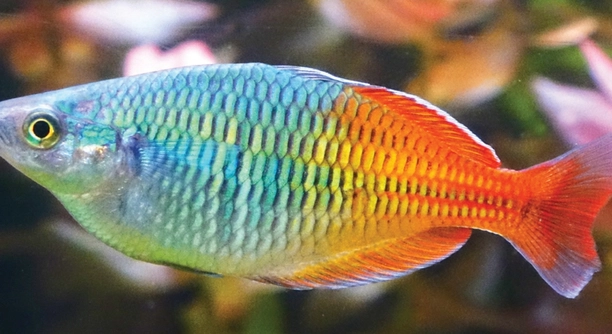
Rainbow fish are a stunning addition to any aquarium. Their vibrant colors and lively movements make them a joy to watch. However, understanding their behavior is key to keeping them healthy and happy in your tank.
Rainbow fish often display unique behaviors that can indicate health issues, stress, or discomfort. Ignoring these signs may lead to a decline in their well-being. Recognizing key behaviors allows you to address any problems early, ensuring a thriving environment.
Learning about these behaviors will help you provide the best care for your rainbow fish. Early intervention is essential for maintaining their vibrant health and happiness.
1. Aggressive Behavior and Territorial Disputes
Rainbow fish can sometimes act aggressively toward each other, especially when they are establishing their territory. If you see one fish chasing or nipping at others, it could be a sign of dominance. This behavior is more common in males, especially during breeding periods. Territorial disputes are typical in aquariums that are overcrowded or have insufficient hiding spots.
Aggression can lead to stress and injury, which can weaken your fish’s immune system. If left unchecked, it may cause long-term health problems.
To prevent aggression, make sure your aquarium has enough space for all the fish. You can also add plants, rocks, or other hiding spots to break up sightlines and give your fish places to retreat. This will help reduce territorial conflicts and keep everyone in the tank happy. Ensuring that your rainbow fish are not stressed will allow them to thrive and show off their full, vibrant colors. Watching your fish interact peacefully is one of the most rewarding parts of aquarium keeping.
2. Faded Colors and Lack of Energy
If your rainbow fish appear to be losing their vibrant colors, it’s usually a sign of stress or poor health. Stress can come from several factors, including changes in water conditions, diet, or the presence of aggressive tankmates.
When rainbow fish are stressed, they may also exhibit lethargy. They may swim less actively, hang around the bottom of the tank, or hide more than usual. This behavior often signals that something is off in their environment.
The most common reason for this behavior is poor water quality. Ensure that the water is properly filtered and that the temperature and pH levels are within the ideal range for rainbow fish. Keep a close eye on any sudden changes, like fluctuations in water temperature or the introduction of new fish. A healthy tank environment will support the bright colors and active nature of your rainbow fish. Adjusting their care routine can bring them back to full health.
3. Fin Clamping
When rainbow fish clamp their fins tightly against their bodies, it’s usually a sign that something isn’t right. They may appear less active and more withdrawn. This behavior often indicates that your fish is stressed, sick, or uncomfortable in its environment.
There are several reasons behind fin clamping. Poor water quality, temperature fluctuations, or the presence of aggressive tankmates can all contribute. If a fish feels threatened or is struggling to breathe due to poor water conditions, it will often clamp its fins to conserve energy.
To remedy fin clamping, start by ensuring your tank’s water conditions are optimal. Regular water changes, proper filtration, and a consistent temperature range are key to keeping your fish healthy. If you notice fin clamping combined with other symptoms, such as discoloration or lethargy, it may be time to check for illness. Take action quickly to address any underlying issues and help your fish feel safe and comfortable again.
4. Swimming in Circles or Spinning
If your rainbow fish is swimming in circles or spinning erratically, it can be a sign of distress or a potential illness. This behavior can sometimes be seen in fish affected by parasites or neurological disorders.
Several factors can lead to this unusual behavior. Parasites, such as external protozoan infections, can cause disorientation and erratic swimming. The fish might also be struggling with stress from overcrowding or poor water quality.
To help your fish, first check for any visible signs of illness like sores or abnormal markings. Adjust water parameters and make sure your tank is not overcrowded. You may also need to treat your fish for parasites if this behavior persists. Maintaining a clean and stable environment will help prevent such issues from occurring in the first place. Regular observation of your fish will allow you to detect any unusual behavior early, leading to better long-term health for your rainbow fish.
5. Bloating and Swelling
If your rainbow fish appears bloated or swollen, it could be a sign of internal health problems. This behavior is often linked to issues such as overfeeding, constipation, or internal parasites.
Bloating may also indicate a more serious condition, like dropsy, which is often caused by bacterial infections. If your fish is having trouble swimming or seems lethargic, this could also be a sign of internal distress.
To prevent bloating, avoid overfeeding your fish and make sure to offer a balanced diet. If the bloating is severe or persistent, consult a veterinarian who specializes in fish health for treatment options.
6. Excessive Scratching
When rainbow fish scratch against tank decorations or plants, it’s often a sign that they are experiencing irritation. This behavior can be caused by external parasites or poor water quality, which can cause itching.
If your fish is continuously rubbing itself against surfaces, check for visible signs of parasites, such as white spots or redness on the skin. It may also be a sign that your tank’s water conditions are affecting your fish’s skin.
Regularly monitor your water parameters and make sure to clean your tank often. If scratching persists, consider treating the water with a mild anti-parasite solution.
7. Hiding and Lethargy
When your rainbow fish spends excessive time hiding or remains inactive for long periods, it could indicate stress or illness. These behaviors are usually signs that your fish is uncomfortable in its environment.
A sudden change in behavior can often be linked to water quality issues or aggressive tankmates. If your fish is also showing other symptoms like fin clamping or faded colors, it may be dealing with an illness that requires attention.
To remedy this, ensure your tank has stable water conditions and that all inhabitants are compatible. Keeping the environment calm and stress-free will encourage your rainbow fish to be more active and visible.
FAQ
1. What can cause rainbow fish to lose their vibrant colors?
Several factors can cause rainbow fish to lose their bright, vibrant colors. The most common reasons are poor water quality, stress, or inadequate nutrition. If your fish’s colors are fading, it could be because of a sudden change in their environment, such as fluctuations in water temperature or pH levels. Stress from overcrowding or aggressive tankmates can also lead to color loss, as it weakens the fish’s immune system.
A poor diet can also contribute. Rainbow fish need a varied diet, including high-quality pellets, live foods, and occasional vegetables to maintain their health and color. If the fish is not receiving the right nutrients, it can become pale or dull in appearance.
2. Why are my rainbow fish constantly chasing each other?
Chasing behaviors in rainbow fish are often linked to territorial disputes or breeding behavior. Males, in particular, are known to chase each other when establishing dominance. If your tank is crowded or lacks hiding spots, your fish may become more territorial and engage in these behaviors.
Chasing can also happen during the breeding season. Male rainbow fish will often chase females to court them. This behavior is normal during breeding periods, but if it leads to constant stress or injury, you may need to separate the aggressive fish or rearrange the tank. Providing enough space and hiding spots will help reduce aggressive behaviors.
3. How can I stop my rainbow fish from being so shy?
Shyness in rainbow fish can stem from environmental factors or inadequate tank conditions. If your fish hide a lot, it might be due to stress from aggressive tankmates, poor water quality, or inadequate hiding spaces. Providing more plants, rocks, or decorations will give your fish places to hide and feel secure.
Additionally, rainbow fish are social creatures, and keeping them in groups can reduce stress. If your fish are hiding frequently, check the water quality and make sure the tank conditions are stable. If the shyness continues, consider moving them to a more peaceful tank with compatible species.
4. What should I do if my rainbow fish have damaged fins?
Damaged fins in rainbow fish can occur due to fighting, poor water quality, or sharp objects in the tank. If you notice torn or ragged fins, first check the water parameters. Ammonia, nitrate, or nitrite spikes can weaken the fish’s immune system, making them more susceptible to injury and infection.
If you see physical damage, remove any sharp objects in the tank that could cause further injury. Treat the water with a mild antiseptic or aquarium salt if necessary. If the fins are severely damaged, it might be best to consult with a vet who specializes in fish.
5. Why are my rainbow fish staying near the bottom of the tank?
Rainbow fish are usually active swimmers, so staying near the bottom of the tank can indicate a health problem or environmental stress. This behavior might be caused by poor water quality, temperature fluctuations, or insufficient oxygen levels. Low oxygen levels can force fish to stay near the surface or the bottom of the tank, where the water is more oxygenated.
To address this issue, check the water quality and ensure the filter is working correctly. If your tank is overcrowded, it could also lead to poor oxygen circulation. Adding an air stone or increasing water flow can help improve oxygen levels and encourage your fish to swim more actively.
6. What is the best way to prevent parasites in my rainbow fish?
Preventing parasites in rainbow fish starts with maintaining a clean and stable environment. Regular water changes and proper filtration are essential to keep the tank healthy. Always quarantine new fish before introducing them to the main tank to avoid introducing any potential parasites.
Additionally, avoid overfeeding, as uneaten food can lead to poor water quality and create an environment where parasites can thrive. If you notice any symptoms of parasitic infections, such as abnormal swimming, scratching, or white spots on the skin, treat the tank with appropriate medications.
7. How often should I feed my rainbow fish?
Rainbow fish should be fed two to three times a day in small portions. They are omnivores, so they will eat a variety of foods, including high-quality pellets, flakes, frozen or live foods, and occasional plant matter. Be sure to provide a balanced diet to maintain their health and vibrant colors.
Overfeeding can lead to poor water quality and health problems for your fish. Remove any uneaten food after a few minutes to avoid contamination. It’s better to feed small amounts more frequently than to overfeed all at once.
8. Can rainbow fish live with other fish?
Rainbow fish are peaceful and can generally live with other species, but compatibility depends on the type of fish and the tank setup. Avoid keeping them with overly aggressive species that might stress them out or cause harm. Some good tankmates for rainbow fish include peaceful schooling fish like tetras, rasboras, and livebearers.
Make sure to provide enough space and hiding spots for all the fish. Rainbow fish thrive in a well-planted tank with lots of swimming space. Avoid overcrowding, as this can lead to stress and territorial behavior.
9. What water temperature do rainbow fish need?
Rainbow fish generally prefer warm water with temperatures between 72°F and 79°F (22°C to 26°C). Keeping the water within this range will ensure that your fish remain active and healthy. If the temperature is too low or fluctuates, your fish may become stressed, which can lead to health problems.
To maintain a stable temperature, invest in a reliable aquarium heater and thermometer. Regularly check the water to ensure it remains within the ideal range. If you live in an area with colder temperatures, a heater is a must to maintain proper conditions for your rainbow fish.
10. How can I tell if my rainbow fish is sick?
Sick rainbow fish may display a variety of symptoms, including faded colors, loss of appetite, erratic swimming, or abnormal behavior like scratching or hiding. Physical signs like sores, lesions, or swollen bodies can also indicate illness. Changes in their fins, such as clamping or fraying, are also red flags.
If you notice any of these symptoms, it’s important to address them quickly. Check the water quality and make sure it’s within the appropriate range for rainbow fish. If the problem persists, consult with an aquarium professional or veterinarian to identify the cause and start treatment.
Final Thoughts
Rainbow fish are vibrant and fascinating creatures to have in your aquarium, but keeping them healthy requires a bit of attention to their behavior and environment. These fish can be sensitive to changes in their surroundings, and it’s important to regularly check water conditions such as temperature, pH levels, and filtration. Proper maintenance of the tank, such as regular water changes and cleaning, can prevent many of the common issues rainbow fish face. Their bright colors and active nature make them rewarding to care for, but their well-being should always be a priority.
Understanding the behaviors of your rainbow fish can go a long way in helping you spot potential problems early. Whether it’s aggression, stress, or illness, being able to recognize signs like fin clamping, faded colors, or unusual swimming patterns will allow you to address issues before they become severe. A peaceful tank with compatible fish, the right water conditions, and a balanced diet will keep your rainbow fish happy and healthy. Regular monitoring of their behavior is key to providing the best care possible.
Lastly, patience is essential when caring for rainbow fish. They can be sensitive to changes, so it may take some time for them to adjust to new tankmates or changes in their environment. If you are attentive and responsive to their needs, your rainbow fish will likely thrive and bring joy to your aquarium for years to come. It’s all about maintaining balance in their environment, ensuring their tank is clean, and keeping an eye out for any signs of distress or illness. With the right care, rainbow fish can be a beautiful and peaceful addition to your home aquarium.

Hello,
If you enjoy the content that we create, please consider saying a "Thank You!" by leaving a tip.
Every little bit helps us continue crafting quality advice that supports the health, happiness, and well-being of pets around the world, for pets of all shapes, sizes, and species.
We really appreciate the kindness and support that you show us!