
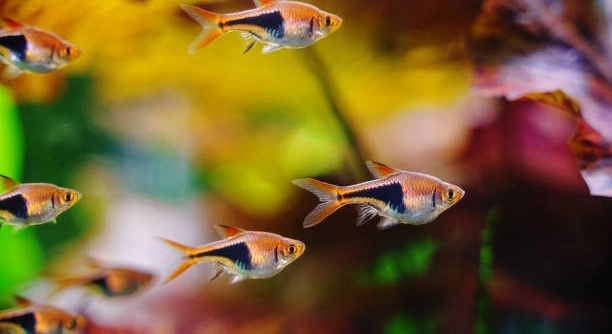
Do you ever find yourself trying to create a calm, well-balanced tank environment for your rasboras but feel unsure about what tools truly suit them?
Rasboras thrive best in tanks equipped with quiet tools that maintain stable water conditions and minimize stress. Choosing soft filtration systems, gentle aeration, and reliable heaters helps create a peaceful and healthy habitat for these small, active fish.
From gentle water flow to subtle lighting, understanding the right tools can make your rasboras feel secure and comfortable in their tank.
Sponge Filters Are Rasbora-Approved
Sponge filters are one of the best choices for rasbora tanks. These filters create gentle water flow, which is ideal for small fish that prefer calm environments. Rasboras are easily stressed by strong currents, so sponge filters help maintain peace in the tank. They also provide biological filtration, which supports healthy water conditions. Because they run on air pumps, they are typically very quiet—another plus for a low-stress setup. Their soft surface is also safe for delicate fins. Many hobbyists choose sponge filters for breeding tanks, as they do not pose a risk to fry. These filters are simple to clean and cost-effective. Regular maintenance ensures optimal performance. You’ll just need to squeeze out the sponge in old tank water every couple of weeks. This tool works well for both beginners and experienced keepers looking for a dependable and quiet solution. It keeps rasboras healthy without adding noise or stress.
A sponge filter fits well in tanks under 30 gallons and works quietly to keep the water balanced.
Rasboras rely on consistent water conditions. A sponge filter handles bio-filtration gently, offering stable water parameters with little disruption. This allows the fish to stay active and display their natural behaviors without being disturbed by noise or strong movement.
Low-Flow Internal Filters Keep Things Peaceful
These filters work quietly while still managing mechanical and biological filtration in smaller tanks.
Low-flow internal filters are another great option for rasbora tanks. They are designed to operate within the tank itself, which makes them easy to install and manage. These filters usually include a sponge or cartridge system, and the flow rate can be adjusted. Keeping the flow low prevents fish from being pushed around, which is especially important for rasboras that do not thrive in turbulent water. Most internal filters are compact and quiet, which makes them perfect for bedrooms or shared spaces. While they’re not as gentle as sponge filters, they offer stronger filtration for slightly larger tanks or tanks with more bio-load. Positioning the outflow toward a tank wall or decoration can further reduce current. Regular cleaning of the filter media will help keep the water clear and safe. These tools strike a good balance between performance and comfort for your fish.
Adjustable Flow Canister Filters Work Well
These filters offer quiet operation and customizable flow, which helps create a stable, calm space for rasboras. You can adjust the output to avoid strong currents, making them a flexible choice for community or species-only tanks.
Canister filters sit outside the tank, so they reduce visual clutter and operate with minimal noise. They’re powerful enough to handle larger tanks while still letting you control the flow rate. This is useful for rasboras since they thrive in slow-moving water. Many models allow for spray bars or directional flow, so you can fine-tune the current. They’re also excellent at mechanical, chemical, and biological filtration. You’ll need to clean the filter media regularly, but they don’t need constant attention. The sealed design helps trap noise, so your space stays quiet. If your tank is heavily planted or stocked, this filter keeps everything clean without disturbing the rasboras’ calm environment.
For a group of rasboras in a tank over 20 gallons, an adjustable canister filter is a strong option. It’s especially helpful if your tank has other fish with similar needs. You can soften the outflow by pointing it toward the wall or adding a pre-filter sponge. This creates a gentler setting while still keeping water quality high.
Pre-Filter Sponges Help Reduce Flow
Pre-filter sponges slip over the intake tube to soften water intake and help prevent smaller fish or fry from being pulled in.
They also play a role in reducing the overall water movement in the tank. This is useful when paired with hang-on-back or canister filters. A pre-filter sponge slows the intake, which indirectly lowers the output strength, creating a gentler current for rasboras. These sponges are easy to rinse during water changes and last a long time. They also trap larger debris before it enters the main filter, which helps the rest of your filter system last longer. Rasboras benefit from this extra layer of safety and calm flow. Pre-filter sponges can also add a bit of biological filtration to your system. Many keepers use them as a simple way to adapt stronger filters to suit sensitive species like rasboras. They’re a low-cost, low-effort solution.
Air Stones Keep Oxygen Levels Stable
Air stones help keep water oxygenated without creating strong surface movement. They work quietly and produce gentle bubbles that won’t disturb rasboras. When placed near plants or decorations, the bubbles can rise softly and improve circulation without stressing the fish.
They’re especially useful in tanks with sponge filters or minimal flow. Air stones support healthy gas exchange while keeping things calm. Choose a smaller size and pair it with a quiet air pump for best results. The bubbles also add a soft visual element that blends nicely into a peaceful setup.
Soft LED Lighting Supports Calm Behavior
Soft LED lighting helps rasboras stay relaxed and keeps their colors visible without being harsh. Bright or flickering lights can make them skittish. Look for lights with adjustable brightness settings or a warm color tone. You can also use floating plants to diffuse the light further. This creates shaded areas, which rasboras use for security. A timer helps create a consistent day-night rhythm, which supports their natural behavior. Keeping the light low and steady helps reduce stress and encourages natural movement and feeding patterns in a calm tank environment.
Floating Plants Help Reduce Stress
Floating plants block strong light and give rasboras places to hide. The shade helps them feel more secure throughout the day.
FAQ
What water flow level do rasboras prefer?
Rasboras prefer a gentle to moderate water flow. Strong currents can stress them out and cause them to hide or struggle while swimming. In nature, they often live in slow-moving streams and calm backwaters, so replicating that helps them feel safe. When setting up a filter or air stone, aim for a soft output that doesn’t push them around the tank. If you see them constantly fighting the current or staying in one corner, the flow might be too strong. Adding pre-filter sponges or redirecting the flow helps make the environment more comfortable.
Can rasboras live without a filter if I do frequent water changes?
Technically, yes—but it’s not ideal. Filters do more than just clean the water. They help maintain stable water parameters, promote oxygen exchange, and grow beneficial bacteria that handle waste. Even with frequent water changes, it’s hard to match what a quiet, gentle filter provides. Rasboras are sensitive to sudden shifts in water quality. Without a filter, even small changes in ammonia or nitrite levels can harm them. If you must go filterless, you’ll need a heavily planted tank and a strict maintenance schedule. For most people, a simple sponge filter is a better long-term choice.
Are air stones necessary in rasbora tanks?
They aren’t required, but they can be helpful. Air stones improve oxygen levels and circulation, especially in tanks with low flow. In a well-filtered tank with surface agitation, oxygen levels are usually fine. But if you notice the fish gasping at the surface or staying near the filter outflow, oxygen might be low. Air stones also help balance water temperature and prevent dead spots in the tank. For rasboras, choose a small air stone that makes fine bubbles and pair it with a quiet pump. This adds gentle movement without disturbing the peaceful environment they enjoy.
What’s the quietest filter for rasboras?
Sponge filters are usually the quietest, especially when paired with a silent air pump. Internal filters with adjustable flow can also be quiet, depending on the brand and setup. Canister filters are a bit more complex, but many models run silently once primed correctly. Hang-on-back filters tend to be louder, especially if the water level drops too low. For rasboras, the quietest setups are usually sponge filters or canister filters with low flow settings and outflows directed at the tank wall. Keeping all equipment clean also helps reduce unnecessary noise.
How can I reduce light stress for my rasboras?
Choose a soft LED light with adjustable brightness, or add floating plants to dim the light naturally. Rasboras often feel stressed under harsh or direct lighting. If they’re hiding more than usual or darting around suddenly, the light may be too strong. Use a timer to create a consistent light cycle—about 8 to 10 hours per day. You can also add driftwood or tall plants to provide shaded spots. Reducing reflections on the glass can help as well. A calm lighting setup makes rasboras more confident and active throughout the day.
Can I use a hang-on-back filter in a rasbora tank?
You can, but you’ll need to make a few adjustments. Hang-on-back filters often produce strong flow, which isn’t ideal for rasboras. Adding a pre-filter sponge to the intake and positioning the outflow toward the glass can help soften the current. Some models allow you to adjust the flow rate directly. If not, baffles or filter floss can be added to reduce output. These filters are convenient and easy to maintain, but they aren’t always the quietest. If noise is a concern, sponge or internal filters may be a better choice.
How do I know if my rasboras are stressed by equipment?
Watch their behavior. If they’re hiding often, swimming erratically, staying in corners, or gasping near the surface, they might be stressed. Strong flow, bright lights, or noisy equipment can all cause this. Rasboras that feel comfortable will swim in open areas, feed normally, and school together. Check all gear for vibration or flow issues and make adjustments if needed. Small changes like redirecting flow or dimming lights can make a big difference. A calm, balanced setup encourages natural rasbora behavior and helps them stay healthy.
Final Thoughts
Rasboras are peaceful, active fish that do best in quiet, stable environments. The tools you choose for their tank can make a big difference in how they behave and how healthy they stay. Filters, lighting, and even small additions like floating plants all play a role in creating a setting that feels calm and safe. When choosing equipment, focus on items that offer gentle flow, low noise, and steady performance. This helps prevent stress, which can affect their behavior and health over time. You don’t need expensive tools to do this—just simple, quiet options that suit their natural needs.
Sponge filters and air stones are great examples of tools that support a peaceful tank. They provide the right balance of function and comfort, without adding extra movement or noise. Canister filters and internal filters also work well, especially when you can control the flow. Tools like pre-filter sponges are small but helpful, and they can make stronger filters safer for sensitive fish like rasboras. Soft LED lighting and floating plants reduce stress by creating shaded areas and avoiding harsh light. All these parts work together to create a low-stress setup that helps rasboras stay active, eat well, and show their natural colors.
Keeping rasboras comfortable doesn’t require complex tools or constant changes. A calm tank with stable water, soft lighting, and quiet flow goes a long way. It’s better to keep things simple and steady than to make frequent changes that can disturb the tank. Pay attention to how your rasboras behave—if they swim confidently and group together, your setup is likely working well. If they hide, dart, or avoid certain areas, it may be time to adjust the lighting or flow. Over time, you’ll learn what your fish respond to and what makes them feel secure. With the right tools and a little observation, you can keep your rasboras happy and healthy in a peaceful home.

Hello,
If you enjoy the content that we create, please consider saying a "Thank You!" by leaving a tip.
Every little bit helps us continue crafting quality advice that supports the health, happiness, and well-being of pets around the world, for pets of all shapes, sizes, and species.
We really appreciate the kindness and support that you show us!