
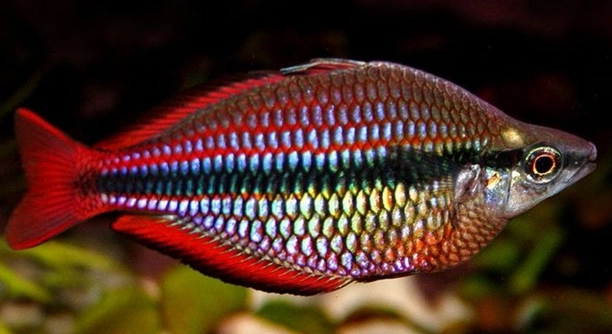
Rainbow fish are beautiful creatures, but they can sometimes show signs of stress. Recognizing these signs can help you ensure they stay happy and healthy in their tank. Stress in fish is more common than you might think.
The most common indicators of stress in rainbow fish include unusual behavior, changes in their coloration, and altered swimming patterns. These signs are often caused by factors like poor water conditions, overcrowding, or incompatible tank mates.
Understanding how to identify these signs can help you act quickly to improve their living conditions. This knowledge is crucial to maintaining a healthy environment for your rainbow fish.
Changes in Coloration
Rainbow fish are known for their vibrant colors, but stress can cause their hues to fade. This change is usually subtle at first, but if your fish begin to appear dull or lose their brightness, it could indicate a problem. Stress can be triggered by various factors, including changes in water quality, sudden temperature shifts, or poor diet. It’s important to monitor their environment regularly, as small adjustments can make a big difference. A drop in color intensity can be a warning sign that something isn’t right in their habitat. Always pay attention to any changes to prevent long-term damage.
If you notice that the colors are fading, consider checking the water parameters like pH, temperature, and hardness. Also, make sure they are not experiencing stress from bullying or overcrowding. Proper care and quick action can help restore their natural vibrancy.
Stress often manifests through a drop in color, and while it’s important to check environmental factors, rainbow fish’s brightness can also be influenced by their diet. Providing a balanced and varied diet is essential. Over time, with the right conditions, their colors can return, helping them stay healthy and happy.
Unusual Swimming Behavior
Rainbow fish usually swim actively, but stress can make them behave differently. When stressed, they may swim erratically, staying near the surface or hiding at the bottom of the tank.
If you notice your rainbow fish not swimming normally, it might be due to poor water quality, temperature fluctuations, or not enough space. These factors can cause anxiety and discomfort in your fish.
Fish that are stressed may avoid swimming in the open and seek out areas that feel safer to them. They may also swim in circles or appear disoriented. To help, improve the tank’s water conditions, adjust temperature levels, and ensure there’s enough space for all your fish. If you catch this early, the fish can recover quickly.
Lack of Appetite
Stress can cause rainbow fish to lose their appetite, leading them to refuse food. This can be a sign that something isn’t right in their environment. If your fish aren’t eating regularly, it could be a result of poor water conditions, overcrowding, or even stress from a new tank mate.
Rainbow fish are usually eager eaters, so a sudden lack of interest in food should raise a red flag. It’s essential to check the water quality and temperature, as stress from these factors can decrease their appetite. In some cases, they may stop eating altogether, which can affect their overall health.
When rainbow fish aren’t eating, it’s important to assess their surroundings and look for any changes that could be contributing to their stress. Once the stressor is addressed, their appetite will likely return. Keep the tank clean, maintain stable water conditions, and try to provide a variety of food to encourage them to eat.
Heavy Breathing
If you notice your rainbow fish are breathing faster than usual, this can be a clear indication of stress. Stress often affects their breathing, causing them to gasp or swim near the water’s surface.
This fast breathing usually happens when the water is low in oxygen or if the water temperature is too high. Both of these conditions can make it harder for the fish to breathe comfortably, leading to increased stress levels. To address this, you can improve the filtration system or adjust the temperature to make the water more comfortable.
Additionally, overcrowding can cause oxygen levels to drop, making it harder for fish to breathe. Ensure there is enough space in the tank for all of your rainbow fish. By improving these factors, you can reduce their stress and help them breathe easier.
Hiding More Than Usual
Rainbow fish are typically social and enjoy swimming around the tank. However, when stressed, they tend to hide more. If your fish are constantly hiding behind rocks or plants, something is likely causing them discomfort.
When fish feel stressed, they often seek refuge in darker, quieter spots of the tank. This could be due to poor water quality, the presence of aggressive tank mates, or an environment they find uncomfortable. If hiding becomes a frequent behavior, it’s important to reassess their surroundings and consider making changes.
Take a moment to evaluate the tank’s conditions. Ensure the water is clean, the temperature is stable, and there aren’t any aggressive fish. By addressing these issues, you can help reduce stress and encourage your rainbow fish to swim freely again.
Aggressive Behavior
While rainbow fish are generally peaceful, stress can cause them to act aggressively towards others. If you notice your fish chasing or nipping at each other, stress may be the underlying factor.
Overcrowding is often the cause of aggression, as fish may feel territorial and anxious. Also, the presence of incompatible species can lead to fights or stress. To reduce aggression, make sure there’s enough space for everyone in the tank and avoid placing overly territorial fish together.
Sometimes, aggression is also a sign of poor water conditions. Check the water quality and ensure that everything is in balance to help keep your fish calm and social.
Faded or Ragged Fins
When rainbow fish are stressed, their fins may start to look ragged or faded. This can be a sign of poor health or damage caused by environmental factors.
Stressed fish often experience weakened immune systems, making them more susceptible to infections or fin damage. It’s essential to monitor their health and check if any physical injuries or symptoms are present. Maintaining a clean tank and good water quality is key to preventing such issues.
FAQ
How can I tell if my rainbow fish is stressed?
Signs of stress in rainbow fish include changes in their coloration, unusual swimming behavior, lack of appetite, heavy breathing, hiding more than usual, aggression, and ragged fins. If your fish are displaying these signs, it’s essential to address potential stress factors such as poor water quality, overcrowding, or incompatible tank mates.
What causes rainbow fish to stress?
Rainbow fish can become stressed due to several factors. Poor water conditions, such as improper pH, temperature fluctuations, and low oxygen levels, are common stressors. Overcrowding or incompatible tank mates can also contribute. Additionally, sudden changes in their environment or diet can cause stress, as fish are sensitive to their surroundings.
How can I reduce stress for my rainbow fish?
To reduce stress, start by maintaining stable water conditions. Regularly test the water for temperature, pH, and oxygen levels. Make sure the tank is not overcrowded, and provide enough hiding spots for your fish to feel secure. Keep the water clean with a good filtration system, and avoid introducing new fish too quickly.
Can stress cause long-term damage to my rainbow fish?
Yes, prolonged stress can lead to long-term health issues for rainbow fish. It can weaken their immune system, making them more susceptible to infections and diseases. Additionally, constant stress can affect their growth and overall lifespan. It’s crucial to address stress early to prevent these long-term effects.
How do I know if my rainbow fish is sick or just stressed?
If your rainbow fish is displaying unusual behavior, like hiding or breathing rapidly, it may be stressed. However, if you notice symptoms like swelling, lesions, or persistent lack of appetite, it could be a sign of illness. If you’re unsure, it’s always best to consult an aquarium professional or a veterinarian for advice.
What is the best water temperature for rainbow fish?
Rainbow fish thrive in water temperatures between 72°F and 79°F (22°C to 26°C). Maintaining a stable temperature within this range is essential for their health. If the temperature fluctuates too much, it can cause stress, so it’s important to use a reliable heater and thermometer to keep the water consistent.
Can overcrowding stress my rainbow fish?
Yes, overcrowding can cause significant stress for rainbow fish. When too many fish are in a tank, they may feel territorial or compete for resources, leading to anxiety and aggression. It’s essential to follow recommended stocking guidelines for your tank size and ensure there’s enough space for each fish to swim comfortably.
Do rainbow fish get stressed when introduced to new tank mates?
Introducing new tank mates can cause stress for rainbow fish, especially if the new additions are aggressive or territorial. It’s important to carefully choose compatible species that won’t disrupt the harmony of the tank. When introducing new fish, do so gradually and observe your rainbow fish’s behavior to ensure they are not overly stressed.
How often should I clean the tank to reduce stress?
Regular tank maintenance is key to reducing stress for your rainbow fish. Perform partial water changes every week, removing about 25-30% of the water. Clean the substrate and check the filter regularly. Keeping the tank clean ensures that the water quality remains optimal and minimizes the risk of stress-related issues.
Can the diet of rainbow fish affect their stress levels?
Yes, a poor diet can contribute to stress in rainbow fish. Feeding them a balanced, varied diet helps support their health and immune system, making them more resilient to stress. High-quality flake foods, pellets, and occasional live or frozen foods are ideal for keeping them healthy. Avoid overfeeding, as excess food can lead to poor water quality and further stress.
Is it normal for rainbow fish to be shy or hide sometimes?
Rainbow fish are generally social, but they may hide occasionally if they feel insecure or stressed. This behavior is typically temporary, but if your fish are constantly hiding or appear to be avoiding other fish, it could indicate environmental stress. Make sure they have plenty of hiding spots and are not being harassed by other tank mates.
What kind of tank mates are best for rainbow fish?
Rainbow fish do well with peaceful, non-aggressive tank mates. Consider species such as small catfish, shrimp, or other non-territorial fish that won’t compete for resources or stress your rainbow fish. Avoid aggressive fish that may chase or nip at your rainbow fish, as this can cause them significant stress.
Can poor filtration cause stress in rainbow fish?
Yes, poor filtration can lead to poor water quality, which in turn can cause stress in rainbow fish. Proper filtration helps maintain clean water, removes toxins, and ensures oxygen levels remain high. Without a good filtration system, the tank can become polluted, leading to stress and health problems for your fish.
How can I tell if the water quality is affecting my rainbow fish?
If the water quality is poor, rainbow fish may show signs of stress such as faded colors, heavy breathing, or lethargy. You may also notice an increase in algae growth, cloudy water, or a strong odor. Testing the water regularly for ammonia, nitrites, nitrates, and pH levels can help identify issues that could be affecting your fish.
Can rainbow fish live in a community tank?
Yes, rainbow fish are generally peaceful and can live well in a community tank with compatible species. It’s important to choose tank mates that are not overly aggressive and will not cause stress to your rainbow fish. Ensure that there’s enough space and hiding spots for everyone to thrive.
Are there any specific plants that help reduce stress for rainbow fish?
Yes, live plants in the aquarium can help reduce stress for rainbow fish. Plants provide hiding spots and make the fish feel more secure, mimicking their natural environment. Floating plants, dense bushes, or taller plants like Java fern or Anubias can offer shelter and help improve water quality by absorbing excess nutrients.
Can rainbow fish be stressed during breeding?
Rainbow fish can sometimes experience stress during breeding, especially if the tank environment is not ideal. They may become more territorial or exhibit unusual behavior. To reduce breeding-related stress, ensure the water quality is excellent, provide enough space, and maintain a calm, peaceful tank environment.
Final Thoughts
Stress in rainbow fish is something every aquarium owner should be aware of. These fish are sensitive to changes in their environment, and even small issues can lead to signs of stress. Whether it’s a shift in water temperature, poor water quality, or overcrowding, identifying stress early can make a big difference. Addressing the factors that cause stress not only helps improve your fish’s health but also ensures they live a long and happy life in your tank. The more you understand about what affects them, the easier it will be to prevent problems before they escalate.
While some stress factors are unavoidable, like introducing new tank mates or adjusting to a new environment, most can be managed by maintaining stable tank conditions. Regular water changes, good filtration, and proper diet are some of the best ways to keep your rainbow fish comfortable. It’s also important to observe their behavior and act quickly if you notice any changes. By doing this, you can help reduce stress and avoid serious health issues for your fish. Remember, a healthy fish is often a happy fish, and that starts with a healthy environment.
In the end, the goal is to create a balanced and peaceful aquarium that suits the needs of your rainbow fish. A little attention to water quality, tank mates, and the overall environment goes a long way in reducing stress. Regularly checking the conditions in the tank, as well as your fish’s behavior, helps you maintain a stress-free home for them. By understanding the signs and causes of stress, you’ll be able to keep your rainbow fish happy, vibrant, and healthy for years to come.

Hello,
If you enjoy the content that we create, please consider saying a "Thank You!" by leaving a tip.
Every little bit helps us continue crafting quality advice that supports the health, happiness, and well-being of pets around the world, for pets of all shapes, sizes, and species.
We really appreciate the kindness and support that you show us!