
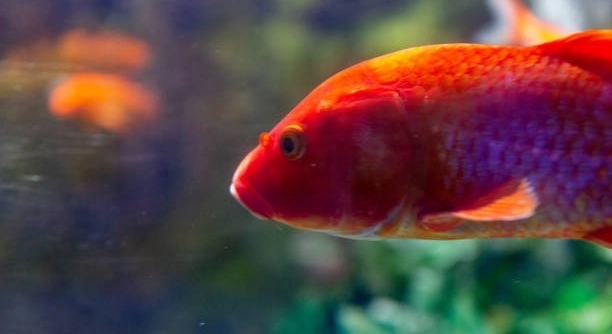
Cichlids are popular freshwater fish, known for their vibrant colors and lively behavior. Many aquarists enjoy keeping them in home tanks to create a beautiful underwater display. However, managing the right number of fish in the tank is essential for their health and wellbeing.
Overcrowding in a cichlid tank occurs when there are too many fish in a limited space, causing stress, poor water quality, and aggressive behavior. This can lead to health problems and a decline in the overall environment of the aquarium.
Knowing the signs of overcrowding helps maintain a healthy and balanced tank for your cichlids to thrive.
Signs of Increased Aggression Among Cichlids
When a cichlid tank is overcrowded, you will often notice more aggressive behavior than usual. Fish may chase each other more frequently, nip at fins, or establish tight territories. This constant stress can weaken their immune systems, making them vulnerable to diseases. Overcrowded tanks lack enough hiding spots, which increases conflicts. Fish that are normally peaceful may become hostile simply because they have no space to retreat. Watching these changes closely is important to keep your cichlids healthy and reduce stress levels.
Aggression in a crowded tank not only stresses the fish but can lead to injuries and increased mortality rates.
To reduce aggression, consider rearranging the tank to add more plants or decorations. These create boundaries and hiding spots that ease tensions. Regularly monitoring behavior helps you catch problems early. Adjusting the number of fish is also essential. Fewer fish mean less competition for space and resources. Keeping aggression low improves fish health and tank harmony.
Poor Water Quality from Overcrowding
Water quality often suffers when too many fish share the same space. Overcrowded tanks produce more waste, which leads to higher levels of ammonia, nitrites, and nitrates. These toxins are harmful to cichlids and can cause gill damage, stress, or death if not controlled. The filtration system may struggle to keep up, resulting in cloudy water and unpleasant odors. Regular water tests help detect these changes before they become dangerous. Proper tank maintenance becomes more challenging as the fish load increases.
Keeping water clean requires more frequent changes and careful monitoring in crowded tanks.
Overcrowding causes an imbalance in the nitrogen cycle, making it hard for beneficial bacteria to break down waste effectively. This disrupts the chemical environment fish need to survive. Increased waste also consumes oxygen, which can suffocate fish if levels drop too low. Cichlids in poor water conditions lose their vibrant colors and become sluggish. Maintaining optimal water parameters is key to a healthy aquarium. If overcrowding continues, water quality issues worsen, and fish health rapidly declines. Reducing the number of fish or upgrading filtration can restore balance. Regular maintenance routines and careful stocking will ensure a safe habitat for cichlids.
Reduced Growth and Health Problems
Overcrowding limits the space and resources each cichlid receives, often causing slower growth and poor health. Fish may struggle to find enough food and shelter.
When cichlids are crowded, competition for food becomes intense. Some fish may eat more while others get very little, leading to uneven growth. Limited space also means less room for exercise, which affects muscle development. Overcrowding increases stress hormones, weakening the immune system and making fish more prone to illness. Disease outbreaks can spread quickly in tight quarters due to close contact. Small injuries from aggressive behavior also become common and can lead to infections. Maintaining a balanced population helps prevent these health issues and supports proper growth.
Providing enough space and consistent feeding routines is essential to keep cichlids healthy. Adjusting the tank size or fish number helps ensure each fish thrives without stress or malnutrition.
Oxygen Depletion and Its Effects
Overcrowded tanks often suffer from low oxygen levels because more fish consume oxygen faster than it can be replenished. This causes breathing difficulties for the cichlids.
When oxygen is scarce, fish gasp at the surface or become lethargic, showing clear signs of distress. Poor oxygen levels also impact metabolism and organ function, weakening the fish over time. Aeration devices and proper filtration can help, but if the tank is too crowded, these measures may not be enough. Regular water changes improve oxygen availability by reducing waste buildup, which consumes oxygen during decomposition. Monitoring oxygen levels and keeping fish numbers manageable are key to preventing oxygen depletion. Ensuring adequate water movement and aeration creates a healthier environment for your cichlids to live comfortably.
Stunted Plant Growth
Overcrowded cichlid tanks often lead to poor plant health. Fish may uproot or damage plants as they compete for space.
Plants also suffer from reduced light and nutrient availability caused by excess waste. This weakens their growth and survival in the tank.
Increased Waste Production
More fish produce more waste, overwhelming the tank’s filtration system. Excess waste leads to toxic water conditions that harm fish and plants alike.
Maintaining clean water requires frequent tank cleaning and careful monitoring to avoid buildup of harmful substances like ammonia and nitrates.
Decreased Swimming Space
Limited swimming room restricts natural fish behavior. Cichlids need space to swim freely and display normal activity.
Overcrowded tanks can make fish stressed and less active, affecting their overall health and happiness.
FAQ
How many cichlids should I keep in my tank?
The ideal number of cichlids depends on your tank size and species. Generally, allow at least 10 gallons of water per adult cichlid. This helps provide enough space for swimming, territory, and hiding spots. Overcrowding causes stress and health problems, so avoid putting too many fish in a small tank. If your tank is 30 gallons, keep no more than three adult cichlids to maintain a healthy environment. Regularly monitor behavior and water quality to adjust fish numbers if needed.
What are the main signs of overcrowding?
Common signs include increased aggression, frequent chasing, and fin damage from constant nipping. You may notice poor water quality, such as cloudy water or strong odors. Fish might also appear stressed, with faded colors or sluggish movements. Overcrowded tanks often have plants in poor condition due to damage or lack of nutrients. Watch for uneven growth rates and health issues like frequent illness or sudden deaths. Recognizing these signs early allows for quick action to improve your tank’s conditions.
How can I reduce overcrowding without losing fish?
Start by upgrading to a larger tank if space allows. More room means fish have better territories and less stress. Rearranging decorations or adding plants can create natural barriers and hiding spots to reduce conflicts. Improving filtration and aeration helps manage higher waste loads. You can also separate aggressive individuals into another tank temporarily. Feeding smaller amounts more frequently prevents food competition. Regularly testing water and doing partial water changes keep conditions stable while you find a long-term solution.
What happens if I ignore overcrowding?
Ignoring overcrowding leads to continuous stress, which weakens fish immune systems. This makes them prone to infections, parasites, and disease outbreaks. Aggression increases, causing injuries or even death. Water quality deteriorates quickly, harming both fish and plants. Over time, the tank’s ecosystem becomes unstable, often requiring major cleanup or restocking. Neglecting these issues can result in losing most or all your cichlids. Early intervention helps avoid these problems and ensures a healthier aquarium environment.
How often should I test water quality in a crowded tank?
In an overcrowded tank, testing water weekly is recommended. Ammonia, nitrite, and nitrate levels can rise quickly due to increased waste. Regular testing lets you catch harmful spikes early. Checking pH, temperature, and oxygen levels is also important. Use test kits designed for freshwater aquariums and keep a log to track changes. Frequent testing guides your maintenance routine and helps prevent sudden fish stress or death caused by poor water conditions.
Can plants help control overcrowding effects?
Yes, live plants provide hiding places, reduce aggression, and help absorb harmful chemicals like nitrates. They improve oxygen levels and create a more natural environment for cichlids. However, overcrowding fish can damage plants by uprooting or eating them. Choose hardy species and place them strategically to protect them. Maintaining healthy plants supports water quality and reduces some negative impacts of too many fish in the tank.
Is filtration more important in an overcrowded tank?
Filtration becomes critical with more fish producing waste. A powerful filter removes toxins and debris faster, maintaining clearer water and healthier fish. Overcrowded tanks benefit from filters rated for larger volumes than the tank size. Combining mechanical, chemical, and biological filtration ensures waste is broken down efficiently. Regular filter cleaning keeps it working well. Without strong filtration, water quality will decline rapidly, putting fish at serious risk.
When should I consider rehoming some fish?
If your tank is consistently overcrowded despite efforts to improve conditions, rehoming is a good option. Signs include persistent aggression, poor water quality, and unhealthy fish. Rehoming reduces stress and improves the environment for remaining fish. Always find responsible new owners or local fish stores. Avoid releasing fish into the wild, as this can harm native ecosystems. Taking this step shows responsible care for your cichlids and the aquarium’s balance.
How can I prevent overcrowding in the future?
Plan your tank size and stocking levels carefully before adding fish. Research species requirements and their adult sizes. Introduce fish gradually to monitor their growth and behavior. Avoid impulse buys that exceed your tank’s capacity. Maintain good filtration, regular water testing, and routine cleaning. Create plenty of hiding spots and territories with plants and decorations. Keeping a well-maintained tank and balanced fish population prevents overcrowding and supports long-term fish health.
Final Thoughts
Keeping cichlids in a tank can be very rewarding, but it requires careful attention to their needs. Overcrowding is a common problem that can harm fish health and tank balance. When too many cichlids share limited space, it leads to stress, aggression, poor water quality, and health issues. These problems not only affect the fish but also make maintaining the tank much harder. Watching your cichlids closely for signs of overcrowding is important to catch problems early and keep the environment safe and comfortable for them.
Managing the number of fish in your tank is one of the simplest ways to avoid overcrowding. Providing enough room for swimming and hiding lowers stress and helps reduce fights. Proper filtration and regular water changes help maintain good water quality, which can quickly worsen if there are too many fish. Plants and decorations also play a helpful role by creating territories and reducing tension among fish. These steps together create a healthier tank that supports the well-being of your cichlids.
Remember that each tank and fish species may have different needs, so paying attention to your cichlids’ behavior and health is essential. If you notice signs like increased aggression, poor growth, or cloudy water, it may be time to reduce your fish numbers or improve your tank setup. Taking action early prevents bigger problems and helps your cichlids thrive. With the right care and balance, your tank can remain a beautiful and lively home for your fish.

Hello,
If you enjoy the content that we create, please consider saying a "Thank You!" by leaving a tip.
Every little bit helps us continue crafting quality advice that supports the health, happiness, and well-being of pets around the world, for pets of all shapes, sizes, and species.
We really appreciate the kindness and support that you show us!