
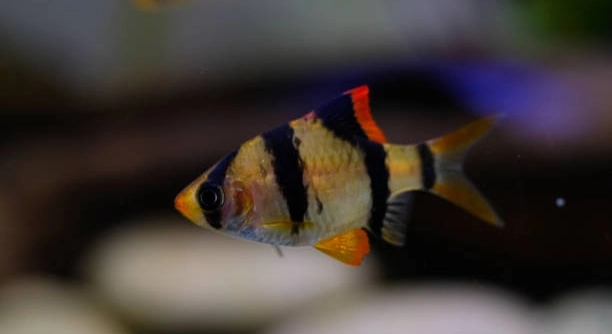
Tiger barbs are lively and colorful fish that can sometimes show signs of stress. Stress affects their health and behavior, making it important for owners to recognize and reduce it quickly. This article offers simple and effective ways to help lower their stress.
Maintaining clean water, providing a balanced diet, and ensuring proper tank mates are key methods to reduce stress in tiger barbs. Additionally, stable water temperature, adequate hiding spots, and avoiding overcrowding contribute significantly to their well-being.
Knowing how to ease your tiger barbs’ stress can improve their health and create a calmer, more vibrant aquarium environment.
Keep the Water Clean and Stable
Regular water changes and proper filtration are essential for tiger barbs. Clean water helps remove toxins and keeps the environment healthy. Test the water regularly for ammonia, nitrites, and nitrates. Aim for stable water parameters, as sudden changes can stress the fish. Temperature should stay between 74°F and 79°F (23°C to 26°C), with a steady pH around 6.5 to 7.5. Use a reliable heater and thermometer to maintain consistent conditions. Removing uneaten food and debris also prevents water quality issues. A well-maintained tank reduces disease risks and keeps tiger barbs active and colorful.
Proper water care is the foundation of a healthy tank. Neglecting it often leads to stress and illness in fish.
A clean and stable aquatic environment supports tiger barbs’ natural behavior. They will swim actively, interact better, and display their full colors. Monitoring water quality closely helps catch problems early, preventing long-term damage. Establishing a routine for cleaning and testing makes maintenance manageable and benefits the fish’s health and lifespan.
Provide Adequate Hiding Places
Tiger barbs feel safer with places to hide and explore. Adding plants, rocks, or decorations creates shelter. Hiding spots reduce aggression and stress, especially in community tanks.
Providing enough cover lets tiger barbs retreat when they feel threatened. This promotes calmness and reduces fighting.
A tank with varied hiding spots mimics natural habitats and encourages natural behavior. Tiger barbs are schooling fish that sometimes nip fins, but hiding places help break line of sight and prevent constant chasing. Live plants like Java fern or Anubias work well because they are sturdy and create natural cover. Smooth rocks and driftwood offer additional shelter and resting spots. Avoid overcrowding the tank with decorations to keep swimming space open. Balance is key to providing security without limiting movement. Creating an inviting environment improves your tiger barbs’ confidence and overall health.
Choose Compatible Tank Mates
Tiger barbs can be aggressive, especially with slower or long-finned fish. Select tank mates that are fast and similarly sized to avoid stress and fin-nipping. Avoid keeping them with delicate or slow-moving species.
Keeping tiger barbs with fast swimmers like danios or barbs reduces conflicts. Aggressive behavior lessens when all fish can hold their own. Avoid species that easily get bullied or stressed. Overcrowding also increases aggression, so keep the tank balanced. A community with compatible fish helps maintain harmony and reduces stress for all inhabitants.
Proper tank mate selection supports a peaceful environment. Regularly observe interactions and be ready to separate fish if aggression becomes a problem. Adjusting the setup or stocking can improve social dynamics and keep tiger barbs comfortable in their space.
Feed a Balanced Diet
Tiger barbs need a varied diet including flakes, pellets, and occasional live or frozen foods. Quality nutrition strengthens their immune system and reduces stress.
A balanced diet helps maintain vibrant colors and supports energy levels. Offer high-quality fish food formulated for tropical species, supplemented with protein-rich treats like brine shrimp or bloodworms. Avoid overfeeding, which can pollute the tank and cause health issues. Feed small amounts twice daily and remove uneaten food promptly. Nutrition plays a major role in stress management and overall well-being. Consistent feeding routines also create a sense of security for the fish, lowering stress from unpredictability.
Avoid Overcrowding
Too many fish in one tank cause stress through competition and poor water quality. Keep the number of tiger barbs suitable for the tank size.
A general rule is one inch of fish per gallon of water. Overcrowding leads to aggression and weaker immune systems. Providing enough space helps tiger barbs feel comfortable and less stressed.
Maintain Stable Temperature
Tiger barbs thrive in steady temperatures between 74°F and 79°F. Avoid sudden changes that can shock them.
Use a reliable heater and thermometer to keep the temperature constant. Fluctuations cause stress and increase susceptibility to disease.
Reduce Loud Noises and Vibrations
Tiger barbs are sensitive to loud sounds and vibrations around their tank. These disturbances can trigger stress and hiding behavior. Keeping the aquarium in a quiet, stable area helps maintain calmness.
Avoid placing the tank near speakers, heavy foot traffic, or appliances that produce frequent vibrations.
FAQ
How can I tell if my tiger barb is stressed?
Stress signs in tiger barbs include faded colors, hiding more than usual, erratic swimming, and loss of appetite. You might also notice fin clamping or increased aggression among tank mates. Observing these behaviors early helps prevent serious health problems and maintain a peaceful aquarium.
What is the best water temperature for tiger barbs?
Tiger barbs do best in water between 74°F and 79°F (23°C to 26°C). Keeping the temperature stable within this range avoids stress caused by sudden changes. A reliable heater and regular monitoring ensure the environment stays comfortable for your fish.
How often should I clean the tank?
Perform partial water changes of about 20-25% weekly to keep water quality high. Cleaning the substrate and filter as needed helps remove waste and toxins. Avoid complete water changes to maintain beneficial bacteria essential for a healthy tank.
Can tiger barbs live with other fish species?
Yes, but choose tank mates carefully. Suitable companions are fast, robust fish like danios or other barbs. Avoid slow or long-finned fish that may get stressed or nipped. Proper selection reduces aggression and stress in the community tank.
What kind of diet do tiger barbs need?
Feed a varied diet of high-quality flakes or pellets formulated for tropical fish. Supplement with live or frozen foods such as brine shrimp and bloodworms for protein. Feeding small amounts twice daily prevents overfeeding and keeps water clean.
Why are my tiger barbs fin-nipping each other?
Fin-nipping can be a sign of stress, boredom, or overcrowding. Providing enough space, hiding spots, and compatible tank mates reduces this behavior. Regular maintenance and proper feeding routines also help lower aggression.
How many tiger barbs should be kept together?
Keep tiger barbs in groups of at least six to encourage natural schooling behavior. Smaller groups may become aggressive and stressed. Ensure your tank size supports the number of fish to avoid overcrowding and maintain water quality.
What role do hiding spots play in reducing stress?
Hiding places give tiger barbs a sense of security and a place to retreat when feeling threatened. Plants, rocks, and decorations break line of sight and reduce aggression. This environment mimics their natural habitat and helps keep them calm.
Is it necessary to test aquarium water regularly?
Yes, frequent testing for ammonia, nitrites, nitrates, and pH ensures water stays within safe levels. Regular monitoring prevents toxic build-up and sudden changes that stress fish. Keeping records helps track trends and respond quickly to issues.
Can loud noises outside the tank affect tiger barbs?
Tiger barbs are sensitive to vibrations and loud sounds, which can cause stress and erratic behavior. Place the aquarium in a quiet area away from speakers, heavy foot traffic, or appliances. A calm environment helps maintain their well-being.
Final Thoughts
Keeping tiger barbs healthy and stress-free requires attention to several important factors. Clean, stable water is the foundation of a good aquarium environment. Regular water changes, proper filtration, and consistent temperature all help reduce stress. When water conditions are steady, tiger barbs can swim actively and display their natural colors. It is important to monitor water quality regularly and address any issues early to prevent stress-related problems.
Providing a suitable habitat also plays a major role in lowering stress. Tiger barbs need enough space to swim and explore without feeling crowded. Adding plants, rocks, and hiding spots gives them places to retreat and reduces aggression. Choosing tank mates carefully can prevent conflicts and create a more peaceful environment. Keeping a balanced and calm aquarium helps tiger barbs feel secure and comfortable.
Nutrition and daily care are equally important. Feeding a varied, balanced diet supports their immune system and energy levels. Avoiding overfeeding prevents water pollution and health issues. Minimizing loud noises and sudden changes around the tank also helps maintain calmness. Overall, consistent care, good water quality, and a thoughtful tank setup contribute to the well-being of tiger barbs. Paying attention to these details helps them thrive and keeps your aquarium enjoyable.

Hello,
If you enjoy the content that we create, please consider saying a "Thank You!" by leaving a tip.
Every little bit helps us continue crafting quality advice that supports the health, happiness, and well-being of pets around the world, for pets of all shapes, sizes, and species.
We really appreciate the kindness and support that you show us!