
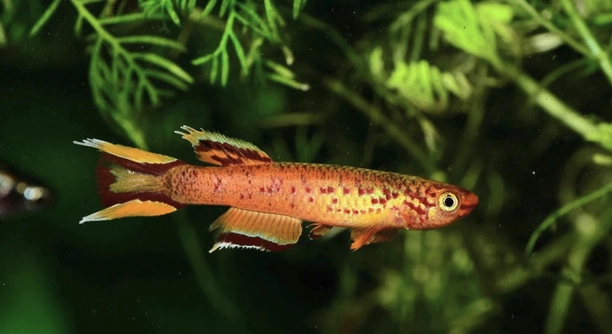
Killi tanks create a beautiful environment for keeping small, colorful fish. However, these delicate creatures can experience stress from changes in water, lighting, or tank mates. Managing stress is essential to maintaining a healthy killi tank.
Stress in killi tanks often results from poor water quality, sudden changes in the environment, overcrowding, and inappropriate tank conditions. Proper care involves regular water changes, stable temperature, gentle lighting, and compatible species to reduce stress and promote well-being.
These simple steps can help keep your killi fish calm and thriving. Following them ensures a balanced, peaceful tank for your aquatic pets.
Keep Water Quality Stable
Maintaining clean water is one of the most important steps to reduce stress in your killi tank. Frequent water changes help remove toxins that build up over time. It is best to change about 20-30% of the water weekly. Use a water conditioner to remove harmful chemicals from tap water. Testing the water regularly for ammonia, nitrites, and nitrates keeps you informed about the tank’s condition. Avoid sudden changes in water parameters such as pH or temperature, as these can shock the fish and increase stress. A stable environment encourages healthy behavior and reduces the risk of disease.
Regular water checks and small adjustments make a big difference in keeping your fish calm.
Balancing water temperature is equally important. Most killifish prefer temperatures between 72°F and 78°F (22°C to 26°C). Use a reliable heater and thermometer to maintain this range. Sudden drops or rises in temperature can cause stress or even fatal health problems. Monitoring water quality and temperature together ensures a safe habitat for your killi fish.
Provide Proper Tank Setup
Proper tank setup creates a comfortable home for your killifish. Use plenty of plants and hiding spots to mimic their natural environment. These spaces help reduce stress by offering security and places to explore. Avoid overcrowding the tank. Overcrowding leads to competition for space and food, which increases stress levels and can cause aggression.
The right setup encourages natural behaviors and supports your fish’s well-being.
Plants like java moss, floating plants, and broad-leafed species work well. A soft substrate is best to avoid damaging their delicate fins. Lighting should be gentle, not too bright or harsh, to prevent overstimulation. Killifish prefer dimmer areas and often hide when the tank is too bright. Regular maintenance keeps the setup clean and comfortable. Creating a balanced environment supports their natural rhythms and reduces stress-related issues. Proper tank care leads to healthier, more active fish that show their true colors.
Feed a Balanced Diet
Feeding killifish a varied diet is key to keeping them healthy and less stressed. Use high-quality flakes, pellets, and live or frozen foods like brine shrimp or daphnia to provide proper nutrition.
A balanced diet supports their immune system and overall vitality. Killifish need protein-rich foods but also benefit from occasional plant matter. Avoid overfeeding, as leftover food can pollute the water and increase stress. Feed small amounts two to three times a day, ensuring they consume the food quickly. A consistent feeding routine helps maintain stability and reduces anxiety in the tank.
Providing different food types mimics their natural eating habits. Live foods encourage natural hunting behavior, which can help keep your fish active and mentally stimulated. Fresh, nutritious food combined with careful portion control contributes to a healthy, calm environment for your killi fish.
Avoid Stressful Tank Mates
Choosing the right tank mates prevents unnecessary stress in your killifish. Avoid aggressive or overly active species that may harass or compete with them.
Killifish are generally peaceful but can become stressed when housed with larger or more aggressive fish. Small, calm fish like certain tetras or rasboras may be suitable companions. It’s important to research compatibility before adding new fish. Overcrowding and incompatible species increase stress and reduce overall tank harmony. Observing interactions regularly helps identify and address problems early.
Separate aggressive fish immediately to protect your killifish. A well-planned community tank creates a peaceful environment where all fish can thrive without constant tension. Ensuring compatible tank mates maintains balance and prevents stress-related health issues.
Maintain Proper Lighting
Killifish prefer low to moderate lighting. Too much light can cause stress and hide their natural colors. Use a timer to keep a consistent day-night cycle.
Providing shaded areas or floating plants helps create comfortable spots. This reduces stress and mimics their natural habitat, promoting calm behavior.
Avoid Sudden Changes
Sudden changes in water temperature, lighting, or tank setup can stress killifish. Introduce any changes gradually over several days to give the fish time to adjust.
Consistency in their environment is key to reducing stress and preventing health problems. Keeping routines stable helps your killifish feel secure and comfortable.
Monitor Fish Behavior
Watching your killifish regularly helps you spot stress signs early. Look for changes like hiding, loss of color, or erratic swimming.
Early detection allows quick action to fix problems, improving your fish’s health and happiness.
Use Gentle Filtration
Strong currents can stress killifish since they prefer calm water. Choose a gentle filter or adjust flow to keep water movement minimal.
A peaceful water flow helps killifish swim comfortably without struggling, reducing stress and supporting well-being.
FAQ
How often should I change the water in my killi tank?
Water changes should be done weekly, replacing about 20-30% of the tank’s water. This helps remove waste and keeps toxins like ammonia and nitrates at safe levels. Regular water changes are essential for maintaining a healthy and stable environment, which reduces stress for your killifish.
What is the ideal temperature for killifish?
Killifish thrive in temperatures between 72°F and 78°F (22°C to 26°C). It’s important to keep the temperature steady since sudden fluctuations can stress the fish and make them vulnerable to illness. Using a reliable heater and thermometer will help maintain this range consistently.
Can killifish live with other fish?
Yes, but careful selection of tank mates is crucial. Killifish are generally peaceful but may get stressed or bullied by larger or aggressive species. Small, calm fish like certain tetras or rasboras usually work well. Always observe interactions closely and avoid overcrowding.
What kind of food should I feed my killifish?
A varied diet is best. Provide high-quality flakes or pellets along with live or frozen foods like brine shrimp, daphnia, or bloodworms. Live foods stimulate natural hunting behavior and help keep your killifish active and healthy. Avoid overfeeding to maintain good water quality.
How much light do killifish need?
Killifish prefer low to moderate lighting. Bright, harsh light can cause stress and make them hide. Using a timer to create a consistent day-night cycle is helpful. Including floating plants or shaded areas in the tank can also reduce light intensity and provide comfort.
Why do my killifish hide so much?
Hiding is a natural behavior, especially if the fish feel stressed or threatened. Common causes include bright light, aggressive tank mates, or poor water conditions. Providing plenty of plants and hiding spots helps your killifish feel secure and reduces stress.
What signs show that my killifish is stressed?
Look for changes like loss of color, erratic swimming, frequent hiding, or lack of appetite. These symptoms often indicate stress caused by poor water quality, temperature changes, or incompatible tank mates. Acting quickly to correct these factors can improve their health.
Is a strong filter bad for killifish?
Yes, strong water currents can stress killifish because they prefer calm environments. Use a gentle filter or adjust the flow to reduce water movement. This helps the fish swim comfortably without fighting the current.
How can I reduce aggression in the tank?
Avoid overcrowding and choose peaceful species for tank mates. Provide plenty of hiding places to reduce territorial disputes. Monitor fish behavior regularly and separate any aggressive individuals to maintain a calm environment.
Can sudden changes in the tank cause illness?
Yes, sudden shifts in water temperature, pH, or lighting can stress killifish and weaken their immune systems. This makes them more prone to diseases. Introduce changes slowly and carefully to help them adjust and stay healthy.
Taking care of killifish requires attention to several important details that help keep them healthy and stress-free. Stress can harm their immune systems and make them more likely to get sick. By focusing on stable water quality, proper feeding, and a calm environment, you can create a safe home for your fish. Small steps like regular water changes and monitoring the tank conditions make a big difference in reducing stress. It is important to be consistent with your care routine so your killifish feel secure and comfortable in their surroundings.
A balanced diet plays a key role in keeping your killifish strong and active. Providing a mix of high-quality flakes, pellets, and live or frozen foods gives them the nutrients they need. Overfeeding or feeding only one type of food can cause problems like poor water quality or nutritional gaps. Keeping the tank clean and feeding the right amounts help maintain a healthy environment. Watching your fish for signs of stress or illness allows you to make changes quickly before problems get worse.
Creating a peaceful tank setup is also important for reducing stress in killifish. Use plenty of plants and hiding spots to offer security and mimic their natural habitat. Avoid bright lights and strong currents, which can make the fish uncomfortable. Choosing compatible tank mates and keeping the fish population at a reasonable level prevents fights and overcrowding. By paying attention to these details and maintaining a stable environment, you give your killifish the best chance to thrive and show their natural beauty. Consistent care helps keep stress low and promotes a healthy, happy tank for your aquatic pets.

Hello,
If you enjoy the content that we create, please consider saying a "Thank You!" by leaving a tip.
Every little bit helps us continue crafting quality advice that supports the health, happiness, and well-being of pets around the world, for pets of all shapes, sizes, and species.
We really appreciate the kindness and support that you show us!