
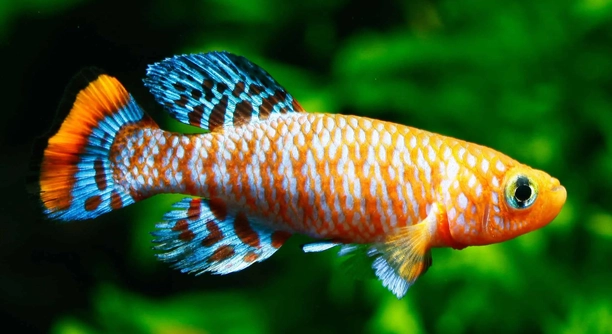
Are your killifish darting around their tank, hiding often, or refusing to eat despite your best efforts to keep them happy?
The fastest way to reduce stress in killifish is by improving water quality, minimizing sudden changes in their environment, and offering plenty of hiding spaces. These small adjustments help restore comfort and balance in their habitat.
From tank setup to lighting and feeding routines, these quick tips can help your killifish feel calm and secure again.
Test the Water Regularly
Killifish are sensitive to changes in water conditions, so keeping their tank clean and balanced is essential. Regular water testing helps you spot problems early. Ammonia, nitrite, and nitrate levels should be closely monitored. Using a liquid test kit once or twice a week can prevent issues before they affect your fish. Keep the temperature stable, around 72–75°F, and avoid quick changes. Make small, consistent water changes—about 20% every week—rather than large ones. This helps keep stress low and reduces the risk of shock. Also, make sure your filter is working properly and not clogged. Good filtration keeps the water clean and full of oxygen. If your tap water contains chlorine or chloramine, always use a water conditioner. A reliable heater and thermometer go a long way in keeping your killifish calm and healthy. Clear, stable water conditions are one of the most important ways to reduce tank stress.
Check water parameters weekly to catch imbalances. Stable pH, ammonia, and nitrate levels will give your killifish a better chance to stay active and stress-free.
Don’t forget to rinse filter media gently in old tank water, not tap water. This preserves helpful bacteria that keep your water safe. Avoid overfeeding, which can pollute the tank quickly.
Add Hiding Places and Plants
Killifish enjoy privacy, especially when they feel nervous. Floating plants, rocks, and caves can offer quick cover and make the tank feel safer.
A bare tank can leave your killifish exposed and anxious. By adding plants like Java moss or floating frogbit, you create shade and shelter. These additions reduce light intensity and give the fish somewhere to retreat. You can also use small clay pots or aquarium decorations with smooth edges to act as caves. These spaces are helpful during breeding or if one fish becomes more aggressive. Live plants also improve water quality by absorbing waste. A planted tank mimics a natural environment, helping your fish feel more at home. Even adding a few soft-leaved plants can change the behavior of shy killifish, encouraging them to explore and eat more regularly. Giving your fish places to hide doesn’t just reduce stress—it promotes a healthier and more stable tank overall.
Maintain a Calm Environment
Sudden movement or loud noise near the tank can stress killifish easily. Keep their tank in a low-traffic area where they won’t be startled often by activity or vibration.
Try to place the tank away from slamming doors, TVs, or speakers. Killifish can react to small shifts in their environment, and stress builds quickly. If the tank is in a shared space, consider adding a background to block movement from behind. Avoid tapping on the glass, especially if you have young or new fish. Also, be mindful during maintenance—move slowly and try not to rearrange things too often. If you need to clean, do it at the same time each week so your fish can adjust to the routine. Fish feel more relaxed in predictable settings. A calm space not only keeps their behavior steady but also helps support their immune system.
At night, reduce the lighting around the tank to signal a natural rest period. Don’t leave bright lights or loud music on in the same room. Consistency in day and night patterns lowers anxiety in your fish. A quiet, peaceful tank helps killifish show their natural behavior and encourages better overall health.
Feed a Balanced Diet
Overfeeding or feeding poor-quality food can make stress worse. Stick to a routine feeding schedule and choose high-quality flakes, pellets, or frozen foods made for small carnivorous fish.
Killifish need protein-rich food to stay active and strong. Feed them once or twice a day in small amounts they can finish in a few minutes. Uneaten food should be removed to avoid dirtying the tank. A mix of high-quality flakes, frozen brine shrimp, daphnia, or bloodworms offers variety and keeps them interested. Don’t rely on just one food type. Varying their diet helps provide complete nutrition. If your killifish are breeding or newly introduced, they may need extra attention to feeding, so watch how much they eat. Look for signs like a full belly, active swimming, and bright color. Proper feeding not only helps your fish thrive, it also lowers the risk of disease and stress.
Avoid Aggressive Tank Mates
Killifish can become stressed when kept with aggressive or fast-moving fish. Choose peaceful tank mates that won’t compete for space or food. Watching for signs of bullying or chasing can help you catch problems early.
Stick to species with similar temperaments. Avoid fin-nippers or fish that crowd the upper water level. If needed, separate them into different tanks.
Keep Lighting Soft and Consistent
Bright or inconsistent lighting can overstimulate killifish and increase stress. Use a timer to keep their day-night cycle stable. Aim for about 8–10 hours of gentle light daily. Avoid sudden changes by turning lights on or off gradually. If the tank gets natural light, be careful to avoid strong midday sunlight. This can heat the tank too quickly or promote algae. Dim lighting, floating plants, or a shaded area in the tank can help your fish relax and feel secure. Regular lighting patterns support natural behavior and reduce anxiety.
Monitor for Illness or Injury
Stressed killifish may show signs like faded color, clamped fins, or loss of appetite. Catching these signs early allows for quick treatment. Always quarantine new fish before adding them to your main tank.
FAQ
How can I tell if my killifish is stressed?
A stressed killifish might hide more often, stop eating, or dart around the tank. You may also notice faded colors, clamped fins, or sluggish movement. Some fish may hang near the bottom or stay in one corner. These behaviors can be caused by poor water quality, sudden changes in the environment, or aggressive tank mates. Watch closely for these signs, especially after cleaning or adding new fish. If symptoms don’t improve with basic changes, you may need to check for illness or infection. Consistent care and a calm setup usually help them bounce back.
Can water temperature changes cause stress in killifish?
Yes, temperature swings—even small ones—can create stress in killifish. These fish do best in stable temperatures, usually between 72–75°F. A sudden drop or rise can affect their immune system and behavior. Using a reliable heater with a thermostat can help avoid this. Always check the water temperature before adding new water during water changes. Make sure the new water is close in temperature to the tank. Drastic changes can shock your fish. Avoid placing the tank near windows or vents that cause hot or cold drafts throughout the day.
Should I keep killifish alone or in groups?
Some killifish prefer to live alone or in pairs, while others can be kept in small groups. It depends on the species. Males can be territorial, especially in smaller tanks. If you want to keep a group, make sure you have enough space and plenty of hiding spots. It’s often safer to keep one male with two or more females to reduce stress. Observe how they interact. If there’s chasing or nipping, consider separating them. Giving them enough space and visual breaks like plants or decorations helps reduce tension.
How often should I feed my killifish?
Feed adult killifish once or twice a day in small portions. They should be able to finish the food in about two minutes. Overfeeding can lead to water issues, which then causes stress. Baby or young killifish may need smaller meals more often, about 3–4 times a day. Try to offer a mix of food, including high-quality flakes and frozen or live options like brine shrimp or daphnia. If your fish aren’t eating, check for stress signs or water issues. Remove uneaten food to keep the tank clean.
Is it okay to keep killifish in a community tank?
Yes, but with caution. Some killifish can be kept in peaceful community tanks, but you must choose tank mates carefully. Avoid fin-nipping or overly active fish. Pick species that are calm and won’t compete for the same space. Also, make sure the tank is large enough and has plenty of hiding places. Killifish often stay near the surface, so consider fish that stay lower in the tank. Always observe the tank for signs of bullying or stress. If issues come up, separating the fish may be the best option.
Do killifish need a filter?
Yes, a filter helps maintain water quality and provides oxygen, which lowers stress. Still, the water flow should be gentle, as killifish prefer calm water. Sponge filters or adjustable-flow filters work well. Check and clean the filter regularly to keep it from clogging. If your fish are hiding more or struggling to swim, the flow might be too strong. In small tanks or breeding setups, some people choose to go filter-free, but only if they do frequent water changes and monitor the tank closely. For beginners, using a filter is safer.
Can I add new decorations to my killifish tank?
You can, but do it gradually. Too many changes at once can stress the fish. Try adding one item at a time and watch how the fish react. Pick smooth, safe decorations with no sharp edges. New objects should be rinsed well before going into the tank. Avoid bright or reflective items that might startle them. Adding natural-looking decorations like driftwood or smooth rocks can help create a calm and secure space. If your fish seem more active and relaxed afterward, you’ve likely made a good choice.
Final Thoughts
Caring for killifish may seem challenging at times, but it becomes easier when you understand their needs. These fish are sensitive to their environment and rely on you to keep things stable. Small changes—like testing the water, feeding them well, or adjusting the lighting—can make a big difference in how they behave and feel. When the tank is calm and balanced, killifish are more active, eat better, and show brighter colors. Stress in fish isn’t always easy to notice right away, so watching them closely helps you stay ahead of problems. The goal is to create a space where they feel safe, comfortable, and supported every day.
Not every setup will work the same for every fish. Sometimes, it takes a little time and patience to find the right balance. If something doesn’t work, try a different approach. You may need to change how often you clean, switch to quieter equipment, or rearrange plants and decorations. Keep in mind that too much change at once can make things worse. Go slow, watch your fish, and let them adjust. Also, don’t be afraid to ask questions or do a bit of research along the way. Each tip in this guide is meant to help you spot what’s working and what’s not.
Killifish are beautiful, interesting fish that do well when given the right care. By reducing stress, you’re not only helping them feel better—you’re also lowering the chance of illness and making it easier for them to thrive. Whether you’re new to keeping fish or have had tanks for years, a calm and healthy tank makes the experience better for both you and your fish. Focus on steady routines, clean water, soft lighting, and peaceful surroundings. With time, your killifish will show more natural behavior and live longer, healthier lives. It’s not about having a perfect setup—it’s about making thoughtful, small choices that support your fish each day.

Hello,
If you enjoy the content that we create, please consider saying a "Thank You!" by leaving a tip.
Every little bit helps us continue crafting quality advice that supports the health, happiness, and well-being of pets around the world, for pets of all shapes, sizes, and species.
We really appreciate the kindness and support that you show us!