
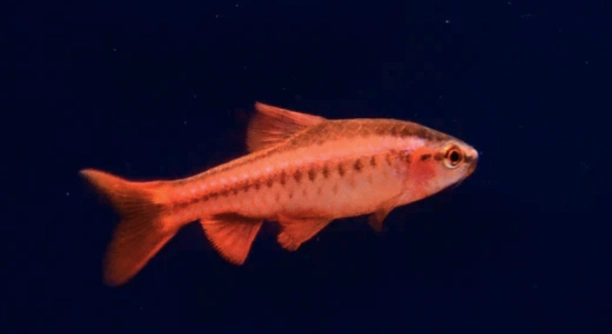
Transporting cherry barbs safely requires careful attention to their needs. These small and colorful fish are sensitive to environmental changes, and proper handling is essential for their well-being during transit.
When transporting cherry barbs, the most effective method is to use a fish bag with a small amount of water and air. Ensure the bag is securely sealed to prevent leaks, and avoid overcrowding to minimize stress. Temperature control is also crucial.
Ensuring a safe journey for your cherry barbs involves a few simple precautions. By following these steps, you will help protect their health and minimize stress during transportation.
Proper Preparation for Transporting Cherry Barbs
Before you start transporting your cherry barbs, it’s important to prepare both the environment and the fish. Begin by selecting an appropriate container. A small plastic bag designed for fish transport is ideal. Fill it with enough water to cover the fish comfortably, but leave room for air to prevent suffocation.
It’s crucial to fill the bag with water from the tank where the cherry barbs live. This helps avoid stress caused by changes in water chemistry. Add a small amount of aquarium water and air, then securely close the bag to prevent leaks. Make sure to avoid overcrowding the bag as this could lead to discomfort and injury.
If you need to travel long distances, consider using a cooler or insulated container to regulate the temperature. Cherry barbs are sensitive to temperature fluctuations, so keeping the water stable is essential to their health during transport.
Maintaining Water Quality During Transit
Water quality is key when moving fish. Avoid using water from the tap, as it might contain harmful chemicals like chlorine. Only use water from the fish tank. This maintains the fish’s familiar environment and reduces stress levels.
Maintaining proper oxygen levels in the water is another essential step. Fish need oxygen to survive, and stagnant water can quickly become harmful. Add a small amount of air to the transport bag or use a battery-operated air pump if needed. This keeps the water oxygenated and reduces the chances of your fish becoming stressed or suffocating.
Keeping Your Fish Safe
To ensure the safety of your cherry barbs, it’s important to keep the transport environment as stable as possible. Rapid changes in water conditions or temperature can be harmful. During transportation, keep the bag out of direct sunlight, as this can heat up the water quickly.
It’s best to minimize movement during the trip. If you’re driving, make sure the container is secure and will not tip over. Avoid sudden jerks or bumps, as they can disturb the water, stressing the fish.
With the proper precautions in place, your cherry barbs will be much safer during their transport.
Choosing the Right Container
Choosing the right container is essential for your cherry barbs’ safety. A small, clear plastic bag or a fish transport container works best. Ensure it’s large enough to provide space but small enough to avoid excessive water movement. This helps keep the fish calm and comfortable.
The container should also be durable and securely sealed. If using a plastic bag, avoid overfilling it. Adding too much water can cause it to spill, while too little may leave your fish without enough oxygen. For added security, consider using a double-bagging method. This prevents leaks and ensures the water stays in place.
A well-chosen container keeps your fish safe during transport, reducing stress and the risk of injury. With a sturdy, well-sealed bag, you ensure your cherry barbs remain secure throughout the move.
Handling Temperature Control
Temperature control is crucial when transporting cherry barbs. Keeping the water at a stable temperature prevents stress and health problems. Avoid direct sunlight or placing the transport bag near heat sources, as the temperature can fluctuate too rapidly.
Consider using a small cooler or insulated bag for longer trips. These materials help maintain a consistent temperature, protecting your fish from extreme heat or cold. It’s important to check the temperature regularly, especially if you’re traveling for several hours. Using a portable thermometer can help you monitor the water temperature throughout the trip. This ensures that it stays within a safe range for your cherry barbs, which is usually between 74-80°F.
By carefully managing the temperature, you can keep your cherry barbs safe and comfortable during their transport. It helps reduce stress and the risk of health issues.
Avoiding Overcrowding
Overcrowding the transport container can cause stress and harm to your cherry barbs. Each fish needs space to move comfortably, so make sure the bag or container is large enough to prevent squeezing. The fewer fish you transport, the better their chance of staying calm.
Crowding increases the chance of injuries and spikes in ammonia levels, which can be toxic to fish. Ideally, allow at least one gallon of water per inch of fish. This ensures that your cherry barbs have enough room to swim, reducing the risk of stress and promoting a safer, more comfortable environment.
Ensuring Proper Oxygenation
Proper oxygenation is essential when transporting fish. Stagnant water can lead to suffocation, especially in a small container. To prevent this, ensure there is enough air in the transport bag. You can gently inflate the bag with air using a pump or ensure there is space for the fish to breathe.
If you are traveling for longer periods, consider using an oxygen pack to maintain sufficient oxygen levels in the water. These packs are readily available and can help ensure your cherry barbs stay comfortable. Oxygen is crucial to fish health and will keep them calm during transport.
Securing the Transport Container
During transport, it’s important to keep the container stable. Sudden bumps or tilting can cause water to spill and stress the fish. Secure the bag or container in a way that prevents it from tipping over. Use soft materials like towels or cloth to keep it steady.
Securing the container ensures that your cherry barbs won’t experience sudden shifts in water conditions. It also minimizes the risk of injury from sudden movements. By taking this step, you’re making sure the trip is smooth and as stress-free as possible for your fish.
FAQ
How long can cherry barbs survive in transport?
Cherry barbs can survive in transport for several hours, depending on the conditions. If proper water quality, temperature control, and oxygenation are maintained, they can usually handle a trip for up to 6-8 hours. Beyond that, stress levels increase, and the risk of health problems rises. If traveling for longer periods, consider using a battery-powered aerator to ensure they have enough oxygen. Be sure to keep them in a stable environment to avoid fluctuations in temperature and water conditions.
Can I transport multiple cherry barbs in the same bag?
It’s possible to transport multiple cherry barbs in the same bag, but overcrowding should be avoided. Overcrowding can cause stress and lead to injury or even death. Ideally, limit the number of fish per bag to prevent them from bumping into each other and to ensure each fish has enough space to breathe. For short trips, two or three fish in a single bag may be fine, but for longer journeys, it’s better to use separate bags.
What’s the best temperature for cherry barbs during transport?
The ideal temperature for transporting cherry barbs is between 74-80°F (23-27°C). Keeping the water temperature stable is important because sudden temperature changes can stress the fish and make them more susceptible to illness. If transporting during extreme temperatures, consider using an insulated cooler or a portable heater to maintain a steady environment. Be sure to check the water temperature frequently during the trip to avoid fluctuations that could harm the fish.
How do I know if my cherry barbs are stressed during transport?
Signs of stress in cherry barbs include erratic swimming, rapid gill movement, or staying near the water’s surface. Stressed fish may also lose their color and become more susceptible to disease. If you notice these signs, it’s important to address the problem immediately by ensuring they are in a stable environment with appropriate water quality and oxygen levels. If the trip is too long, consider halting to give the fish time to recover before continuing.
Should I feed my cherry barbs before transport?
It’s generally recommended not to feed your cherry barbs for 24-48 hours before transport. This helps reduce waste in the transport water, which can lead to harmful ammonia buildup. By not feeding them, you also lower the risk of water contamination. It’s better to err on the side of caution and ensure the water remains clean and free from excess waste during the trip.
Can I transport cherry barbs with other types of fish?
It’s best not to mix cherry barbs with other fish during transport. Different species may have varying water requirements and can cause additional stress to each other. Cherry barbs, in particular, can be skittish and may become stressed around unfamiliar fish. For the safety of all your fish, it’s better to transport them separately to avoid any potential conflicts or harm.
Is it safe to transport cherry barbs in a plastic bag?
Yes, transporting cherry barbs in a plastic bag is one of the most common methods. However, the bag should be appropriately sized for the fish and should have sufficient water and air to keep them comfortable. It’s essential to make sure the bag is securely sealed to prevent any leaks and that it’s not overfilled with water. Double-bagging can provide an extra layer of security during transport, especially for longer trips.
What type of water should I use to transport my cherry barbs?
Always use water from the tank where your cherry barbs live for transport. This will maintain water chemistry and reduce the stress caused by sudden changes in pH or hardness. Avoid using tap water, as it may contain chlorine or other chemicals that can harm the fish. If you cannot use water from the tank, you can dechlorinate tap water and adjust it to match the tank’s conditions.
How can I prevent my cherry barbs from jumping out of the transport bag?
Cherry barbs can be jumpy, so it’s important to minimize the chance of them escaping the bag. Keep the top of the bag closed but not tightly sealed—leaving enough room for air to circulate. For added security, place the bag in a sturdy container that can prevent it from tipping over or falling. If you use a plastic bag, ensure it’s not too large, as this can increase the likelihood of the fish jumping.
Can I use a fish net to handle cherry barbs during transport?
It’s not recommended to use a fish net to handle cherry barbs when transferring them to the transport container. Fish nets can cause damage to delicate fins or scales. Instead, gently scoop the fish using a plastic container or your hands if you can do so safely. Make sure your hands are wet to avoid damaging the fish’s skin, and handle them as gently as possible to reduce stress.
Should I use a heater during transport?
If you’re traveling in cold weather, it’s a good idea to use a portable aquarium heater to keep the water temperature stable. However, make sure the heater is set at the right temperature and doesn’t overheat the water. You can also use heat packs designed for fish transport, but ensure they’re not in direct contact with the water, as they can raise the temperature too quickly.
Final Thoughts
Transporting cherry barbs requires careful attention to their needs to ensure they remain healthy and stress-free. Selecting the right container, monitoring temperature, and ensuring proper oxygenation are key factors in ensuring a safe journey. A well-prepared environment can help avoid common pitfalls, such as overcrowding and fluctuating temperatures. By planning ahead and taking the necessary precautions, you can help minimize risks and ensure your fish arrive safely.
One of the most important considerations when transporting cherry barbs is minimizing stress. These small fish are sensitive to changes in their environment, so providing a stable, calm setting is crucial. Avoid overcrowding the container and ensure that the water remains clean throughout the trip. By using a secure container and controlling the temperature, you’ll help maintain a stable and comfortable environment for the fish. Paying attention to these details not only reduces stress but also promotes the overall well-being of the fish.
In the end, transporting cherry barbs is manageable with the right approach. Keeping things simple, like using a suitable container and monitoring water quality, can go a long way. Remember that the well-being of your fish depends largely on the environment you create for them during the trip. With careful planning, your cherry barbs can make the journey without any problems, ready to thrive in their new home.

Hello,
If you enjoy the content that we create, please consider saying a "Thank You!" by leaving a tip.
Every little bit helps us continue crafting quality advice that supports the health, happiness, and well-being of pets around the world, for pets of all shapes, sizes, and species.
We really appreciate the kindness and support that you show us!