
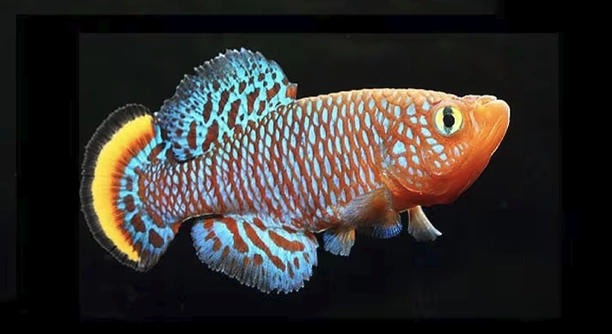
Moving adult killifish can be a delicate task that requires care and attention. Many hobbyists face challenges when transporting these small, colorful fish safely. Proper preparation and handling are key to ensuring their well-being during the move.
The most effective way to move adult killifish safely involves minimizing stress, using appropriate containers with clean water, maintaining stable water temperature, and avoiding sudden changes in environment. Careful acclimation after the move is essential to their health.
These tips will help you protect your killis and make moving them less stressful for both you and your fish. Following simple steps ensures they arrive healthy and ready to settle into their new home.
Preparing Your Containers Properly
When moving adult killifish, the containers you use play a critical role in their safety. It’s important to choose containers that are just the right size—too large, and the water may slosh too much; too small, and the fish can feel cramped. Use clean, odor-free containers that have been rinsed well with water but never with soap or chemicals. Fill them with water from the killifish’s current tank to keep the water chemistry consistent. Adding an oxygen source, like an air stone, can be very helpful for longer trips, but for quick moves, a tight lid will usually keep enough air inside. Make sure the containers are secure and won’t tip during transport, as sudden movements can stress the fish. Label the containers to avoid confusion if you are moving multiple fish.
Containers that match these guidelines will greatly reduce stress and the risk of injury for your killifish during transport.
Setting up containers carefully is an easy but essential step to protect your fish’s health. It helps maintain stable conditions and keeps them calm.
Managing Temperature Changes
Maintaining a stable water temperature during the move is vital for adult killifish. Rapid temperature shifts can shock them and cause health problems. Use insulated coolers or wraps to help keep the water at the same temperature it was in their original tank. Avoid placing containers in direct sunlight or near heat sources during transport. If you expect the move to last several hours, consider using small, battery-powered heaters or heat packs designed for aquarium use. Temperature stability helps keep killifish calm and reduces their metabolic stress.
To keep your killifish safe, always plan how to maintain water temperature when moving them.
Sudden temperature changes are stressful for killifish and can weaken their immune systems. Before the move, measure the tank’s water temperature and prepare your containers accordingly. Use coolers or insulated bags to protect the water during transport, especially in extreme weather. If the move is long, check temperature periodically and adjust if necessary. After moving, slowly acclimate the fish to the new tank’s temperature to prevent shock. This step may require gradually mixing water from the new tank with the transport water over 20–30 minutes. Proper temperature management reduces stress and helps your killifish settle smoothly into their new environment.
Minimizing Stress During Transport
Keeping killifish calm is essential when moving them. Avoid sudden movements and loud noises around their containers. Secure the containers to prevent tipping or shaking during the trip.
Transport stress can weaken fish, making them vulnerable to illness. Use dark, opaque containers or cover clear ones with a towel to reduce light exposure and calm the fish. Keep handling to a minimum and drive carefully to avoid sudden stops or sharp turns. If possible, avoid moving during extreme weather. A calm environment during transport helps killifish maintain their health and reduces shock upon arrival.
Planning the move carefully ensures your killifish arrive with less stress. Taking simple precautions can improve their chances of settling quickly into their new home.
Acclimating Killifish After Moving
Acclimation is crucial for adult killifish after transport. Start by floating the sealed container in the new tank for 15-20 minutes to equalize temperature. Then gradually add small amounts of tank water to the container over 30 minutes. This helps the fish adjust to new water chemistry slowly and safely.
Avoid rushing this process, as sudden changes can cause stress or shock. Once acclimated, gently release the killifish into their new environment. Watch for signs of stress or illness over the next few days. Maintaining stable water conditions and a calm atmosphere supports their recovery and helps them thrive after the move.
Choosing the Right Transport Time
Move your killifish during the cooler parts of the day, like early morning or late evening. This helps avoid temperature extremes that could stress the fish.
Avoid busy traffic times to reduce travel duration and sudden stops. A shorter, calmer trip benefits the fish’s well-being.
Using Proper Water Volume
Transport your killifish in water volumes that balance space and stability. Too little water can cause oxygen depletion, while too much allows excessive movement and risk of injury. Use about half to two-thirds of the container filled with water to keep fish safe and comfortable.
Handling Fish Gently
Handle killifish carefully during transfer. Use soft nets and avoid squeezing or sudden movements. Gentle handling minimizes physical injury and reduces stress, making the move safer for the fish.
FAQ
How long can adult killifish stay in transport containers?
Adult killifish can safely stay in transport containers for a few hours if conditions are right. The water should be clean, oxygenated, and kept at a stable temperature. For trips longer than four to six hours, extra care is needed, such as using battery-powered air pumps or refreshing the water if possible. Keeping the fish in sealed containers with minimal movement helps reduce stress during this time.
What is the best container for moving killifish?
Small, sturdy plastic containers with tight-fitting lids work best. They should be large enough to hold the fish comfortably with some water but not so big that the fish can be tossed around. Avoid glass containers for transport since they are fragile. Also, make sure containers are clean and free from soap or chemical residues that can harm the fish.
Can I use tap water for transport?
It’s best to use water from the killifish’s original tank for transport. This keeps the water chemistry familiar and reduces stress. Tap water might contain chlorine or other chemicals harmful to the fish. If you must use tap water, treat it with a water conditioner to remove harmful substances before placing the fish inside.
How should I prepare the fish before moving?
Avoid feeding your killifish at least 12 hours before the move. Fish produce waste that can pollute the water quickly, so a fasting period helps keep the transport water cleaner. Make sure the fish are healthy and free from disease before moving. Sick fish are more vulnerable to stress and injury during transport.
Is it okay to transport multiple killifish together?
Transporting multiple killifish together is possible if the container is large enough and water quality is maintained. However, overcrowding can cause stress, fighting, and oxygen depletion. If you transport several fish, keep the trip short and provide enough space and oxygen. In some cases, it’s better to separate fish into smaller groups or individual containers.
What temperature should the water be during transport?
The water temperature should closely match the killifish’s original tank temperature. Sudden changes can cause shock and stress. Use insulated containers or coolers to keep the water stable during transport. Avoid exposing the containers to direct sunlight or cold drafts.
How do I handle killifish during transfer?
Use a soft, fine-mesh net to gently scoop the fish. Avoid squeezing or dropping them. Handle as little as possible to reduce stress. If you must move the fish out of water briefly, work quickly and carefully.
What signs of stress should I watch for after moving?
Look for unusual behavior like lethargy, rapid gill movement, clamped fins, or loss of appetite. These signs indicate the fish is stressed or unwell. Provide a calm environment with stable water parameters and monitor closely for several days. If symptoms persist, consult an experienced aquarist or vet.
Can I feed my killifish right after moving?
Wait at least 24 hours before feeding after the move. This allows the fish time to recover from stress. Feeding too soon can upset their digestive system or worsen stress.
How long does acclimation usually take?
Acclimation generally takes 20 to 30 minutes but can vary depending on the difference in water parameters. The goal is to slowly adjust the fish to the new water conditions to avoid shock.
Are there any special tips for moving killifish in hot or cold weather?
In hot weather, keep transport containers shaded and cool using ice packs or insulated bags, but avoid direct contact between ice and water. In cold weather, use heat packs or keep containers close to your body to maintain warmth. Extreme temperatures can be fatal if not managed properly.
What if my killifish seems sick after moving?
Isolate the fish and check water quality immediately. Poor water conditions can cause health issues. If needed, treat with appropriate medications after identifying the problem. Prevent future issues by improving transport and acclimation practices.
Moving adult killifish requires careful planning and attention to detail. These small fish are sensitive to changes in their environment, so taking steps to reduce stress is very important. Using the right containers, keeping the water clean, and maintaining a stable temperature all help protect the fish during transport. Each of these factors plays a key role in ensuring the killifish remain healthy throughout the move. When you prepare well, your fish have a much better chance of arriving safe and ready to settle in their new home.
Acclimation after moving is just as important as the transport itself. Slowly adjusting the killifish to the new tank’s water conditions helps prevent shock and illness. This process may take some time, but it is worth the effort. Giving your fish a calm, stable environment after the move supports their recovery and helps them thrive. Watching for signs of stress or discomfort in the days following the move can alert you to any problems early, allowing for quick action if needed.
Overall, moving adult killifish safely is about careful handling and patience. Following simple tips like using proper containers, managing temperature, and acclimating slowly can make a big difference. Taking the time to do these steps well shows respect for the health and well-being of your fish. With the right approach, you can help your killifish adjust smoothly to their new surroundings and enjoy a healthy life.

Hello,
If you enjoy the content that we create, please consider saying a "Thank You!" by leaving a tip.
Every little bit helps us continue crafting quality advice that supports the health, happiness, and well-being of pets around the world, for pets of all shapes, sizes, and species.
We really appreciate the kindness and support that you show us!