
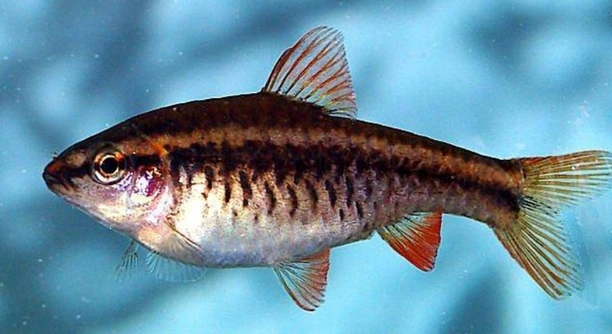
Cherry Barbs are a popular freshwater fish, known for their vibrant colors and peaceful nature. Maintaining their comfort is essential to ensure they thrive in your aquarium. Identifying signs of distress can help improve their well-being.
To check the comfort levels of your Cherry Barbs, observe their behavior and environment. Key indicators include active swimming, good coloration, and social interactions with tank mates. Additionally, monitor water quality and temperature to ensure it suits their needs.
Understanding how to evaluate their comfort will assist in maintaining a healthy aquarium. Proper care will help ensure the long-term happiness and health of your Cherry Barbs.
Observing Cherry Barb Behavior
Cherry Barbs are generally active and social fish. They often swim in schools, moving gracefully through the water. If your Cherry Barbs are swimming aimlessly or hiding more than usual, it could be a sign of discomfort or stress. Aggression from tank mates, poor water quality, or an unsuitable environment can contribute to this. Keep an eye on their behavior during feeding times as well. If they are uninterested in food or hesitant to swim, there may be an underlying issue affecting their comfort.
Stress can also lead to health problems in Cherry Barbs. Prolonged discomfort can weaken their immune system, making them more susceptible to diseases. Observing how your fish interact with their environment can help you identify when they are not at ease.
Taking the time to monitor these behaviors regularly will help you prevent serious issues. Simple changes, like adjusting water temperature or adding plants for hiding, can make a big difference in how your Cherry Barbs feel.
Water Conditions
The water quality in your tank plays a significant role in the well-being of Cherry Barbs. It’s crucial to maintain the right balance of pH, ammonia, nitrites, and nitrates to keep them comfortable. Cherry Barbs prefer slightly acidic to neutral water, with a pH range between 6.0 and 7.5. Regular water changes and proper filtration are essential for keeping these levels in check.
Poor water quality can cause your Cherry Barbs to become lethargic or show signs of distress. Inadequate filtration or insufficient water changes can lead to a build-up of harmful substances, affecting their health. Always test your water parameters regularly to ensure they meet the necessary standards for your fish.
By making sure the water conditions are optimal, you provide a healthy environment that helps prevent stress and supports the long-term well-being of your Cherry Barbs. Regular maintenance will go a long way in ensuring their comfort.
Tank Temperature
Cherry Barbs thrive in stable water temperatures, ideally between 72°F and 79°F. Temperature fluctuations can cause stress, leading to reduced activity or health issues. Sudden changes in water temperature can be especially harmful, so it’s important to monitor and maintain consistent levels.
Using a reliable aquarium heater can help regulate the temperature, especially in colder climates. Ensure your heater is appropriately sized for the tank and monitor it regularly with a thermometer to prevent overheating. Keeping the temperature within the recommended range will help your Cherry Barbs feel at ease and maintain their natural behaviors.
When the water temperature is too high or too low, it can lead to health problems such as decreased immunity or poor growth. The discomfort from unstable temperatures can also make them more vulnerable to parasites and infections. Avoid placing the tank in direct sunlight or near a heater that could cause sudden shifts in temperature. This simple step can drastically improve the comfort of your Cherry Barbs.
Tank Size and Space
Proper space is crucial for Cherry Barbs to feel comfortable and safe. A tank of at least 20 gallons is recommended for a small group of Cherry Barbs. Overcrowding can lead to stress, competition for food, and aggression.
Adequate space allows your fish to swim freely and reduce territorial behavior. It’s also important to provide hiding spots and plant cover, which can help reduce stress. A tank with plenty of open swimming areas will allow your Cherry Barbs to explore and interact with one another.
Crowded tanks can lead to increased waste and a drop in water quality, which will negatively affect your fish. Additionally, overcrowding can increase the risk of disease spread and cause competition for oxygen. Make sure to choose an appropriately sized tank and avoid overstocking to maintain the health and comfort of your Cherry Barbs.
Tank Mates
Cherry Barbs are peaceful and do best in a community tank with other non-aggressive fish. Avoid placing them with overly aggressive or large species that might intimidate them. Compatibility plays a key role in their comfort and well-being.
Fish like tetras, rasboras, and other small, calm species make ideal tank mates. Avoid aggressive or territorial fish, as they may stress out the Cherry Barbs. A peaceful environment promotes better social behavior and reduces the chance of injuries from fighting. Choosing the right tank mates ensures Cherry Barbs stay comfortable and thrive.
When selecting tank mates, consider not only the temperament but also the size and swimming habits of potential companions. A tank with too many aggressive fish can leave Cherry Barbs feeling vulnerable. Stress from bullying can lead to health problems like weakened immune systems and diseases.
Feeding
Cherry Barbs are generally easy to feed, but offering a balanced diet will help them stay healthy and happy. Provide a variety of foods, including flakes, pellets, and occasional live or frozen foods.
They enjoy eating small amounts throughout the day. Ensure you are not overfeeding, as uneaten food can pollute the water. Consistent feeding will keep them active and satisfied, ensuring they remain comfortable in their environment.
Lighting
Proper lighting is important for Cherry Barbs, as it mimics the natural environment and helps regulate their behavior. Too much light can cause stress, while too little can lead to inactivity. Keep the lighting moderate, using a timer to ensure consistency.
FAQ
How can I tell if my Cherry Barb is stressed?
Stress in Cherry Barbs can be identified by changes in behavior. If your fish are swimming erratically, hiding more than usual, or showing signs of aggression, it may indicate stress. Additionally, a loss of color, lethargy, or reduced appetite are common signs that your Cherry Barb is not feeling comfortable. Stress can be caused by poor water quality, temperature fluctuations, or incompatible tank mates. Make sure to regularly monitor water parameters and maintain a peaceful environment to reduce stress.
What temperature do Cherry Barbs prefer?
Cherry Barbs thrive in temperatures ranging from 72°F to 79°F. Fluctuations outside of this range can stress them out. A consistent water temperature is key to their well-being. Invest in a quality aquarium heater and thermometer to maintain the proper temperature. Avoid placing your tank in areas with frequent temperature changes, such as near windows or air conditioners.
Can Cherry Barbs live with other fish?
Yes, Cherry Barbs are peaceful and can live with many other species. They do best with other small, non-aggressive fish such as tetras, rasboras, and small livebearers. Avoid aggressive or overly territorial fish that could bully them. It’s important to select tank mates that won’t stress them out, as that can lead to health issues. A peaceful community tank helps Cherry Barbs thrive.
How often should I feed my Cherry Barbs?
Cherry Barbs should be fed small amounts twice a day. They are not picky eaters, but it’s important not to overfeed. A varied diet is best, including high-quality flakes, pellets, and occasional live or frozen foods. Make sure to remove any uneaten food to maintain water quality. Overfeeding can lead to poor water quality, which affects their health.
What should I do if my Cherry Barb loses color?
Loss of color in Cherry Barbs can be a sign of stress, poor water quality, or illness. Check your water parameters, ensuring the pH, temperature, and ammonia levels are within the proper range. Stress from aggressive tank mates or changes in environment can also cause fading. If no improvements are made after adjusting their environment, consider consulting a veterinarian to rule out any underlying health issues.
Do Cherry Barbs require a lot of space?
Cherry Barbs do not require large tanks, but they do need enough space to swim comfortably. A 20-gallon tank is usually sufficient for a small group of Cherry Barbs. Ensure the tank is not overcrowded to prevent stress and maintain water quality. Providing plants and hiding spots also helps them feel secure in their environment.
What is the best water pH for Cherry Barbs?
Cherry Barbs prefer slightly acidic to neutral water, with a pH between 6.0 and 7.5. Keep the pH within this range to promote their comfort and health. Regular water changes and testing are essential to maintain the correct pH levels. If you’re unsure of your water’s pH, invest in a water testing kit to ensure stability.
Can Cherry Barbs breed in a community tank?
While it is possible for Cherry Barbs to breed in a community tank, it can be difficult due to the presence of other fish. If you want to encourage breeding, provide them with a breeding tank that has soft, acidic water and a gentle filtration system. Provide plenty of plants for the eggs to stick to. Once the eggs hatch, remove the parents to prevent them from eating the fry.
Are Cherry Barbs hardy fish?
Cherry Barbs are relatively hardy, but they still require appropriate care. They can tolerate a range of water conditions, but rapid changes in water parameters or environment can cause stress. Regular water changes, proper filtration, and maintaining consistent water temperature are essential for their health. Keeping the tank clean and their environment stable will help ensure they live a long, healthy life.
How can I prevent disease in my Cherry Barbs?
To prevent disease, maintain excellent water quality by performing regular water changes and monitoring water parameters. A clean, stable environment reduces stress, which in turn lowers the risk of infections. Quarantine new fish before adding them to your tank to prevent introducing any illnesses. Avoid overfeeding, as uneaten food can lead to harmful bacteria growth. Keep a close eye on your Cherry Barbs’ behavior, and act quickly if you notice any signs of illness, such as changes in swimming patterns, loss of color, or lesions on the body.
Final Thoughts
Maintaining a healthy and comfortable environment for your Cherry Barbs is essential to their well-being. By monitoring water quality, maintaining stable temperatures, and providing adequate space, you can ensure that they live a long, healthy life. These small but vibrant fish thrive in peaceful, well-maintained tanks, where they are given the proper care and attention. Ensuring they are not stressed by fluctuating water conditions or incompatible tank mates will help them remain active and colorful.
Feeding your Cherry Barbs the right amount of food, along with a varied diet, will also contribute to their health. Overfeeding can lead to poor water quality, which in turn affects their overall comfort. Regular water changes and keeping the tank clean will help maintain the appropriate environment for your fish. Additionally, be mindful of their tank mates, as a peaceful community can greatly reduce stress for all the fish in the tank. Choosing compatible species that won’t disturb them ensures that they can coexist peacefully and stay healthy.
Cherry Barbs are relatively low-maintenance fish, but like all aquarium pets, they require some care and attention to thrive. Their peaceful nature and small size make them ideal for community tanks, but it is essential to avoid overcrowding and to regularly check water parameters. With the right environment, diet, and care, Cherry Barbs can live a comfortable and happy life in your aquarium.

Hello,
If you enjoy the content that we create, please consider saying a "Thank You!" by leaving a tip.
Every little bit helps us continue crafting quality advice that supports the health, happiness, and well-being of pets around the world, for pets of all shapes, sizes, and species.
We really appreciate the kindness and support that you show us!