
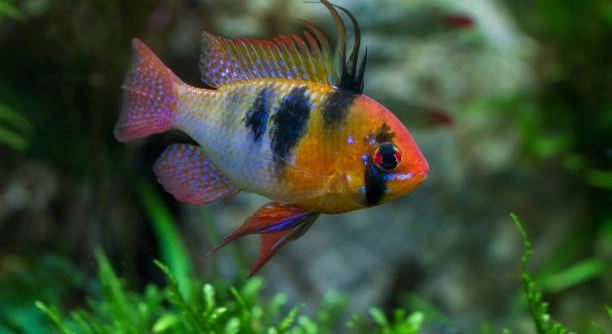
Cichlids are beautiful, lively fish, but keeping them happy can sometimes feel tricky. Small changes in their environment or routine can quickly affect their mood and overall health in ways you might not expect.
Addressing an unhappy cichlid often involves quick, practical fixes that improve water quality, reduce stress, and adjust tank conditions. Ensuring proper diet, tank size, and hiding spots directly supports their well-being and promotes a balanced environment.
These simple adjustments can make a noticeable difference, helping your cichlids thrive and creating a calmer, healthier tank atmosphere overall.
Check Water Quality Regularly
Keeping the water clean and balanced is the most important step for happy cichlids. I learned early on that even small changes in pH, ammonia, or nitrate levels can stress them out. Using a reliable test kit twice a week helps me catch problems before they grow. Water changes of about 25% weekly keep toxins low and oxygen levels steady. I also make sure to remove leftover food and debris from the substrate. A filter suited for the tank size is essential, and I rinse it gently in old tank water to avoid killing beneficial bacteria. Temperature stability matters too, as sudden changes can make cichlids nervous and affect their appetite. Over time, maintaining these routines has made my cichlids more active and colorful. Watching them explore without signs of stress feels rewarding, and I know these habits contribute directly to their health. Small, consistent actions go a long way.
Testing water and maintaining consistent quality prevents sudden stress and health issues. Regular monitoring ensures the tank environment remains safe and supportive for all cichlids.
Balancing water involves more than just changing it regularly. I also check hardness and pH levels weekly, making adjustments with natural additives if needed. Aeration is important, too, especially in crowded tanks. I’ve noticed that when oxygen levels drop slightly, cichlids linger at the surface or hide more than usual. Proper filtration and partial water changes keep the environment steady, and keeping an eye on leftover food prevents spikes in ammonia and nitrites. Temperature control is another factor. Using a heater with a reliable thermostat helps avoid fluctuations that can confuse the fish’s metabolism. Observing their behavior during maintenance gives clues about whether the water is truly ideal. Over time, these habits not only prevent illness but also promote brighter colors and calmer interactions. A well-maintained tank feels easier to manage, and the fish are visibly healthier. Consistency is the key to avoiding sudden problems that could affect their mood or appetite.
Provide Hiding Spots
Cichlids need places to feel safe and reduce stress. Rocks, caves, and plants offer them retreat areas and reduce aggression in crowded tanks.
Creating hiding spots requires planning. I use natural rocks and driftwood to build caves, making sure edges are smooth to prevent injuries. Plants, whether live or artificial, add cover and reduce tension. Even small caves or PVC pipes work for shy fish. Arranging these strategically prevents dominant fish from controlling the entire tank. I’ve noticed that cichlids use hiding spots not just for safety but also to rest or observe quietly, which lowers stress levels and improves overall behavior. When fish have a choice of retreats, aggression decreases, and their activity becomes more balanced. It’s also easier to monitor their health when they have predictable spaces to explore. Over time, the tank feels calmer, and fish are more willing to feed and interact. Hiding spots are a simple but effective way to keep cichlids comfortable and confident in their environment.
Adjust Tank Temperature
Cichlids respond strongly to water temperature. Keeping it steady within the recommended range helps them stay active and healthy. Sudden drops or spikes can cause stress, illness, or aggression, so a reliable heater and thermometer are essential.
I keep a heater set to the ideal range for my cichlids and check it daily. Even a small fluctuation of a few degrees can change their behavior noticeably. Some species prefer slightly warmer water, while others need cooler temperatures, so I adjust carefully for each type. Maintaining a stable temperature also supports beneficial bacteria in the tank, improving water quality. I’ve found that consistent warmth encourages feeding and reduces hiding behavior. Seasonal changes in the room can affect the tank, so I monitor closely and adjust when necessary. Over time, a steady environment keeps my cichlids more active, colorful, and less prone to stress-related illnesses.
Temperature impacts feeding habits and activity more than I expected. When water is too cold, cichlids slow down, eat less, and stay hidden. Proper warmth stimulates their metabolism, making them lively and interactive. I’ve noticed that combining consistent temperature with clean water and proper hiding spots creates the healthiest environment. Watching them swim confidently and explore the tank shows that small adjustments can have big effects. Keeping a thermometer visible and checking it regularly ensures I catch any changes before they cause problems. I also make minor tweaks gradually to avoid shocking the fish. Over time, this careful approach has reduced illness and aggression, proving that temperature control is a quick, effective fix for unhappy cichlids.
Feed a Balanced Diet
Feeding high-quality food in proper amounts is essential. Overfeeding or poor nutrition can lead to health problems and stress. Variety in diet keeps cichlids energetic and colorful.
I rotate between pellets, flakes, and occasional frozen foods to provide balanced nutrition. Some cichlids need more protein, while others benefit from vegetable matter, so I tailor meals accordingly. Overfeeding creates leftover food that pollutes the water, causing spikes in ammonia and nitrates, which can stress the fish. I measure portions to ensure they finish each meal within a few minutes. Observing their response to different foods helps me understand preferences and dietary needs. Feeding at consistent times daily also reduces anxiety and competition, making the tank calmer overall. Small changes, like adding occasional live or frozen treats, boost their immune system and encourage natural foraging behavior. Over time, diet management has improved their colors, activity levels, and overall mood.
Reduce Tank Crowding
Too many fish in one tank causes stress, aggression, and poor water quality. Giving cichlids enough space helps them establish territories and feel secure.
I keep fewer fish than the maximum recommended for my tank size. This reduces fights and allows each cichlid room to swim and explore freely. Observing their interactions, I notice calmer behavior and more even feeding when space is adequate. Less crowding also makes water maintenance easier, as waste builds up slower. Over time, the tank feels more balanced, and the fish appear healthier. Allocating space properly is one of the simplest ways to improve happiness.
Maintain Proper Filtration
A good filter removes waste, controls toxins, and ensures steady oxygen levels. I choose one rated slightly higher than the tank size for extra support. Regular cleaning without disturbing beneficial bacteria keeps it working efficiently.
Filtration directly affects water clarity and chemistry, which impacts cichlid health. I clean the filter media in old tank water to preserve helpful bacteria, preventing ammonia and nitrite spikes. Using a combination of mechanical, chemical, and biological filtration helps remove debris, harmful chemicals, and excess nutrients. I also monitor flow strength, making sure it suits the species I keep, since some cichlids prefer gentle currents while others enjoy stronger water movement. Over time, consistent filtration keeps the environment stable, reducing stress, aggression, and susceptibility to disease. Proper filtration is not just about removing visible debris—it supports the tank’s entire ecosystem.
Observe Behavior Daily
Watching cichlids closely helps catch problems early and ensures they stay healthy.
FAQ
How often should I test my tank water for cichlids?
Testing water twice a week is usually enough for a healthy tank. I personally check pH, ammonia, nitrite, and nitrate levels. Keeping a log helps me notice trends over time and catch any sudden changes before they affect the fish.
What is the ideal temperature for most cichlids?
Most tropical cichlids thrive between 75°F and 82°F (24°C–28°C). I use a reliable heater and thermometer to maintain this range. Sudden drops or spikes can stress the fish, lower immunity, and reduce appetite. Consistency is key to keeping them active and calm.
How many hiding spots should I provide?
It depends on tank size and number of fish. I aim for at least one hiding spot per fish plus a few extra. Rocks, caves, driftwood, or PVC tubes give them retreats, reducing aggression and stress. Over time, I’ve noticed calmer behavior when each fish has its own space.
How do I know if my cichlid is stressed?
Signs include hiding constantly, loss of appetite, faded colors, or aggressive behavior. I pay attention to changes in swimming patterns and interactions. Stress often appears after water changes, temperature shifts, or adding new tankmates. Observing daily helps me act quickly.
Can I mix different cichlid species in one tank?
Yes, but with care. I usually mix species with similar size and temperament. Aggressive species may need more space or separate tanks. Overcrowding increases fights, so I plan tank population carefully to prevent stress and injuries.
How often should I clean the filter?
I clean the filter media once a month using old tank water. This preserves beneficial bacteria while removing debris. A clogged filter reduces flow and oxygen levels, which can stress cichlids. I also inspect the filter weekly to ensure it is running smoothly.
What should I feed my cichlids daily?
I provide a mix of high-quality pellets, flakes, and occasional frozen or live food. Different species need varying protein and vegetable content. Overfeeding causes water problems, so I give only what they can finish in a few minutes, usually once or twice daily.
Can cichlids live in a tank with fluctuating temperatures?
Frequent temperature changes stress cichlids and make them prone to illness. I maintain a steady range with a heater and monitor daily. Even small swings of a few degrees can affect behavior, appetite, and coloration over time.
How large should my tank be for multiple cichlids?
I follow species-specific recommendations but generally provide at least 30 gallons for the first cichlid and 10–15 gallons for each additional one. Extra space reduces fights, allows swimming, and improves water quality. Proper tank size is crucial for long-term health.
How can I tell if my cichlid is eating properly?
Healthy cichlids actively seek food and finish meals within a few minutes. I watch their behavior closely—hesitation or spitting food may indicate stress, illness, or improper diet. Rotating food types ensures they get balanced nutrition and encourages natural feeding habits.
Is water change frequency important?
Yes, I perform 20–30% water changes weekly. It reduces waste, toxins, and nitrate buildup. Consistency in water changes keeps cichlids healthier and calmer. I also remove leftover food and debris during changes to maintain clean substrate and improve overall tank stability.
What decorations are safe for cichlids?
I use smooth rocks, driftwood, PVC pipes, and hardy plants. Sharp edges can injure fins or cause stress. Live plants also improve water quality by absorbing nitrates. Avoid decorations that can topple easily or trap fish, as this can lead to accidents and stress.
How do I prevent aggression in a community tank?
Providing enough space, hiding spots, and proper diet reduces aggression. I observe interactions daily and separate overly aggressive individuals if needed. Even with these measures, some cichlids naturally assert dominance, so careful planning of tank population is essential to maintain peace.
How do I acclimate new cichlids?
I float the bag in the tank for 15–20 minutes, gradually mixing tank water. This prevents sudden temperature or pH shock. Slowly introducing new fish over an hour helps them adjust, reducing stress and improving survival. Observation after introduction ensures they adapt safely.
What are common health problems in cichlids?
Stress-related illnesses, fin rot, ich, and swim bladder issues are common. Most are linked to poor water quality, overfeeding, or aggression. I prevent problems by keeping water clean, providing proper nutrition, maintaining temperature, and monitoring behavior. Early detection is essential for treatment success.
How long do cichlids typically live?
With proper care, most cichlids live 8–15 years. Some species can exceed this. I maintain consistent water quality, diet, and tank conditions to maximize lifespan. Attention to stress reduction and regular observation contributes significantly to their longevity.
Can cichlids tolerate slightly brackish water?
Some species can handle mild brackish conditions, but most tropical cichlids prefer freshwater. I research species-specific needs before making changes. Even small salinity shifts can affect behavior, feeding, and health. Gradual adjustments are necessary for tolerance.
How do I introduce new tankmates safely?
I quarantine new fish for at least two weeks to prevent disease. Gradual introductions with visual barriers help reduce initial aggression. I also monitor compatibility based on size, temperament, and territory needs. Proper preparation prevents stress for both existing and new fish.
What is the best way to reduce nitrate levels naturally?
Regular water changes and live plants help. I use hardy plants like Anubias and Java fern, which absorb nitrates effectively. Avoiding overfeeding and cleaning debris promptly also limits nitrate buildup. Natural methods complement filtration for a balanced, healthy environment.
How can I tell if my filter is working properly?
Clear water, steady flow, and no unusual noises indicate proper function. I check weekly for clogs or malfunctions. Regular maintenance ensures consistent oxygen levels and waste removal. A failing filter can quickly affect cichlid health, so I stay proactive.
How often should I rearrange the tank?
Minimal rearrangement is best. Frequent changes stress cichlids as they adjust territories. I only move decorations when necessary, allowing fish time to adapt. Consistency in layout supports calm behavior and reduces aggression.
What is the best lighting for cichlids?
Moderate lighting that mimics natural day cycles works well. I avoid overly bright or harsh light, which can stress fish. Timers help maintain a consistent day-night schedule. Lighting also benefits live plants and enhances coloration naturally.
Can I keep juvenile and adult cichlids together?
Mixing sizes can lead to bullying or stress. I monitor interactions closely and provide extra hiding spots for smaller fish. Sometimes separating age groups is necessary to ensure all fish thrive. Observation is key to maintaining harmony in the tank.
How can I tell if a fish is sick early?
Loss of appetite, unusual swimming, hiding, faded color, or rapid gill movement are warning signs. I observe daily, especially after changes in water, diet, or tankmates. Early detection allows for quick treatment and prevents the spread of illness.
Is it necessary to provide a varied diet?
Yes, variety ensures balanced nutrition and prevents boredom. I alternate pellets, flakes, frozen foods, and occasional vegetables. Different species need different nutrients, so I adjust meals accordingly. Variety supports growth, color, immunity, and overall happiness.
How do I manage aggressive cichlids?
Extra space, hiding spots, and proper tankmates help reduce aggression. I may separate individuals or adjust feeding to prevent fights. Observing interactions and adjusting the environment keeps stress low and ensures a healthier community.
What are the signs of overfeeding?
Leftover food, cloudy water, and bloated fish indicate overfeeding. I measure portions carefully and remove uneaten food promptly. Proper feeding supports water quality, reduces disease risk, and keeps cichlids healthy.
Can cichlids live with other fish types?
Some peaceful fish can coexist, but compatibility depends on size, behavior, and habitat needs. I research each species carefully and observe interactions closely. Safe tankmates reduce stress and prevent injuries.
How do I prevent fin damage?
Providing smooth decorations and sufficient space reduces injuries. I avoid sharp rocks and overcrowding. Observing aggression levels also helps prevent torn fins. Healthy fins indicate reduced stress and good overall health.
How important is a stable pH?
Cichlids thrive in stable pH ranges. I monitor weekly and adjust gradually if needed. Sudden shifts stress fish, reduce immunity, and affect behavior. Stability is more important than exact numbers, as consistency supports long-term health.
What is the easiest way to reduce stress after a tank change?
Partial water changes, maintaining temperature, and leaving familiar decorations in place help. I avoid moving fish unnecessarily and monitor behavior closely. Small, careful adjustments keep cichlids comfortable and calm.
How can I encourage natural behavior in cichlids?
Hiding spots, proper diet, and open swimming areas promote foraging, exploring, and territory defense. I arrange the tank to support activity while reducing aggression. Observing them interact with the environment shows which areas they prefer.
How do I deal with aggressive breeders?
During breeding, I separate aggressive pairs or provide additional hiding spaces. Observing territorial behavior helps prevent injury to other fish. Sometimes I move fry to a separate tank for protection. Proper management ensures both adults and young remain safe.
Can stress affect cichlid coloration?
Yes, stressed cichlids often lose brightness. I maintain stable water, proper diet, and adequate space. Healthy conditions restore vibrant colors, while stress can cause dull or faded appearance. Observation helps identify and correct environmental stressors.
How can I tell if my fish are getting enough oxygen?
Active swimming, normal gill movement, and occasional surface visits indicate sufficient oxygen. Excessive gasping or lethargy suggests low oxygen levels. I adjust aeration and filtration to maintain healthy oxygen throughout the tank.
Are live plants beneficial for cichlids?
Yes, live plants improve water quality, provide hiding spots, and reduce stress. I choose hardy species that tolerate digging or nibbling. Plants also enhance natural behavior and help maintain a balanced ecosystem in the tank.
How do I prevent algae buildup?
I control light exposure, avoid overfeeding, and perform regular water changes. Occasional algae-eating fish or snails help, too. Keeping the tank clean supports water quality, reduces stress, and keeps cichlids healthy and active.
What should I do if one fish becomes sick?
I isolate the sick fish in a quarantine tank to prevent disease spread. I monitor closely and provide appropriate treatment. Maintaining water quality and observing tankmates prevents further issues and protects the overall community.
How do I maintain stable water hardness?
I use natural substrates or additives suited for cichlid species. Regular testing ensures hardness remains consistent. Sudden changes can stress fish, so gradual adjustments are necessary for long-term stability and health.
Is it okay to keep cichlids in a bare tank?
While possible, bare tanks can increase stress due to lack of hiding spots. I prefer decorations, rocks, and plants to create territories and retreats, which reduce aggression and encourage natural behavior.
How often should I observe my cichlids?
Daily observation helps catch problems early, from stress to illness. I watch behavior, appetite, and swimming patterns. Even short checks are enough to notice changes that may require action.
Can cichlids recognize their owner?
They respond to feeding routines and movement near the tank. I notice they become more active when I approach, showing recognition without needing interaction. Regular care builds familiarity and reduces stress during maintenance.
What is the best method to acclimate new water?
Gradual mixing over 30–60 minutes prevents shock. I slowly add tank water to the bag or container in intervals. This stabilizes temperature, pH, and chemical balance, keeping new cichlids safe.
How do I manage multi-species aggression?
Separate aggressive individuals and provide multiple hiding spots. Monitoring interactions and adjusting populations keeps territorial disputes minimal. I also arrange decorations to create natural boundaries, which helps maintain peace.
Are artificial plants safe for cichlids?
Yes, as long as they have no sharp edges. I use silk or soft plastic plants to add cover without risking injury. They also allow flexibility in tank layout and reduce stress.
Can cichlids live in low-light tanks?
They tolerate moderate light but need a consistent day-night cycle. Low light can reduce activity and color vibrancy. I use gentle lighting to maintain natural behavior and plant health.
What is the best way to introduce multiple new fish?
I stagger introductions over several days, starting with less aggressive species. Quarantine and visual barriers help reduce immediate conflicts. Observation ensures each new addition adjusts safely.
How do I prevent fungal or bacterial infections?
Maintaining clean water, proper diet, and stable conditions prevents infections. I avoid overcrowding and remove sick fish promptly. Early detection and consistent tank care are the most effective measures.
Can cichlids tolerate minor pH fluctuations?
Small, gradual changes are usually manageable. Sudden shifts cause stress and disease susceptibility. I monitor pH regularly and adjust slowly if necessary, prioritizing stability over exact numbers.
How often should I check tank equipment?
Weekly checks for heaters, filters, and air pumps ensure they function properly. Early detection of malfunctions prevents stress and maintains a healthy environment for cichlids. Consistent maintenance is essential for long-term success.
What is the best substrate for cichlids?
Sand or smooth gravel works well. I avoid sharp or coarse materials that can injure fins. Substrate also provides a surface for beneficial bacteria, supports plants, and allows natural digging behavior.
How do I deal with picky eaters?
I offer a variety of foods and observe preferences. Sometimes warming frozen food slightly or soaking pellets improves acceptance. Patience and consistent feeding routines help ensure balanced nutrition.
Can cichlids live with snails or shrimp?
Some species coexist, but aggressive or large cichlids may eat smaller tankmates. I choose compatible invertebrates and provide hiding spots to reduce predation. Observation is necessary to maintain harmony.
What is the best water change routine?
Weekly 20–30% changes work for most tanks. I remove debris, test water, and replace with conditioned water at the same temperature. Consistent changes improve water quality, reduce stress, and prevent disease.
How can I tell if my cichlids are happy?
Active swimming, bright colors, regular feeding, and social interactions indicate contentment. I notice when they explore, establish territories, and show curiosity, signaling that environmental conditions and care meet their needs.
How do I maintain a consistent feeding schedule?
Feeding at the same time daily reduces stress and competition. I measure portions, rotate food types, and observe intake. Routine supports digestion, health, and behavior stability.
Can cichlids thrive in planted tanks?
Yes, with hardy plants that tolerate digging. I arrange rocks and plants to create hiding spots and maintain water quality. Plants improve natural behavior and reduce stress, making the tank more balanced.
What should I do if a dominant fish bullies others?
I provide extra hiding spots, rearrange territory, or separate the aggressive fish temporarily. Observation helps maintain balance, reduce injuries, and keep all cichlids healthy.
Is it necessary to aerate the tank?
Aeration improves oxygen levels and water circulation. I use air stones or filters with good flow. Adequate oxygen prevents stress, supports metabolism, and keeps cichlids active.
How do I prevent disease after introducing new fish?
Quarantine new arrivals, observe behavior, and maintain stable conditions. I also avoid overcrowding and keep water clean. Early detection and careful monitoring reduce the risk of outbreaks.
Can cichlids tolerate different lighting schedules?
Consistency is important. I use timers to maintain day-night cycles, which reduces stress and encourages natural behavior. Sudden changes can affect feeding and activity.
How do I encourage breeding without stressing the tank?
Providing hiding spots, proper diet, and stable conditions promotes natural breeding. I monitor behavior and separate fry if necessary to prevent aggression. Gradual adjustments ensure minimal stress.
What are signs of overstocking?
Increased aggression, hiding, slow growth, and poor water quality indicate overstocking. I reduce numbers or upgrade tank size to restore balance and minimize stress.
How can I help shy cichlids feel comfortable?
Extra hiding spots, gentle introduction, and minimal disturbance help shy fish. I observe and give them space, allowing gradual exploration without pressure.
Is it okay to use chemical treatments in the tank?
Only when necessary and following instructions carefully. I prefer natural solutions first, like water changes or quarantining, reserving chemicals for confirmed illness. Overuse can stress cichlids and harm beneficial bacteria.
How do I prevent sudden aggression after water changes?
Partial changes, maintaining temperature, and careful handling reduce stress. I avoid moving decorations unnecessarily and monitor fish closely. Gradual adjustments help maintain calm behavior.
Can cichlids live in tanks with fluctuating lighting?
They tolerate moderate changes but need a consistent day-night pattern. I use timers and avoid abrupt shifts, which can stress fish and alter feeding patterns.
How do I support cichlid immune health?
Balanced diet, clean water, stable temperature, and minimal stress support immunity. I rotate foods, monitor behavior, and maintain proper tank conditions to keep fish healthy year-round.
What are signs that the tank is too small?
Frequent aggression, overcrowding, limited swimming space, and poor growth indicate insufficient size. I upgrade the tank or reduce the number of fish to restore balance and reduce stress.
How do I prevent digging from damaging plants?
I use heavy pots, rocks, or hardy species. Some cichlids dig naturally, so anchoring plants and providing alternate digging areas helps preserve greenery while allowing natural behavior.
Can cichlids tolerate different water hardness levels?
Some variation is acceptable, but I maintain consistency to reduce stress. Sudden changes in hardness affect metabolism and health, so gradual adjustments are necessary.
How often should I clean decorations?
Every few weeks or as needed. I scrub lightly to remove algae without harming beneficial bacteria. Clean decorations improve appearance and reduce environmental stress.
How do I know if my cichlids are stressed from tankmates?
Signs include hiding, chasing, faded color, or aggression. I observe interactions, provide extra hiding spots, or separate incompatible fish to
Final Thoughts
Caring for cichlids can feel overwhelming at first, but small, consistent steps make a big difference. I’ve learned that maintaining clean water, providing enough space, and keeping a stable temperature are the foundation of their well-being. These basic routines prevent many common problems and make the tank a more peaceful place for the fish. Over time, I’ve seen how even minor adjustments, like adding a few hiding spots or rotating food types, can improve their activity, colors, and overall mood. Cichlids are sensitive to their environment, so paying attention to details and being consistent helps them thrive without extra stress. I’ve also noticed that when the tank is well-maintained, aggression decreases and interactions become calmer, making it easier to care for multiple fish in one space.
Diet is another important part of keeping cichlids healthy. Providing a balanced mix of pellets, flakes, and occasional frozen or live food ensures they get the nutrients they need. I always measure portions carefully, as overfeeding can pollute the water and lead to health issues. Watching my cichlids eat also gives me clues about their well-being; healthy, energetic fish usually finish meals quickly and display natural behaviors. Rotating foods and including some vegetable matter keeps them engaged and supports their immune system. Over time, diet management has made a visible difference in their colors, activity levels, and overall vitality. Even small changes in feeding routines can have a noticeable impact on their happiness, and I’ve found that observing them closely helps me understand their preferences and needs better.
Consistency and observation are the keys to long-term success. I check water quality, monitor behavior, and maintain equipment regularly, and this makes it easier to spot problems before they escalate. Stress is often the underlying cause of many issues, so keeping the environment predictable and stable is essential. I also pay attention to their social interactions, ensuring that dominant fish don’t bully others and that each fish has enough space to feel secure. By combining clean water, proper diet, stable conditions, and thoughtful tank setup, cichlids can live long, healthy, and active lives. While caring for them requires attention and effort, the reward of seeing them swim confidently, display bright colors, and interact naturally makes it worthwhile. In my experience, a well-cared-for tank is not only healthier for the fish but also more enjoyable to maintain, creating a balanced and peaceful aquatic environment.

Hello,
If you enjoy the content that we create, please consider saying a "Thank You!" by leaving a tip.
Every little bit helps us continue crafting quality advice that supports the health, happiness, and well-being of pets around the world, for pets of all shapes, sizes, and species.
We really appreciate the kindness and support that you show us!