
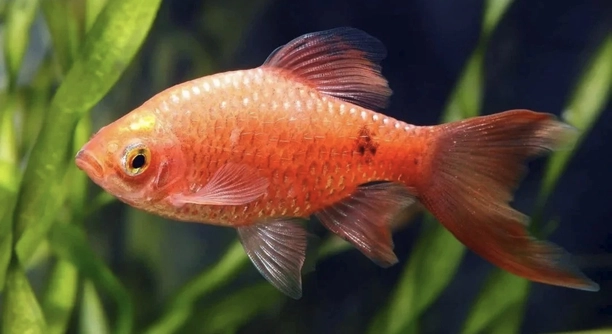
Rosy barbs are popular freshwater fish known for their bright colors and active behavior. They can sometimes show signs of anxiety, which may affect their health and appearance. Knowing how to respond quickly can help keep them calm and healthy.
When rosy barbs get anxious, immediate steps such as improving water quality, adjusting tank conditions, and minimizing stressors can reduce their anxiety. Proper care and environmental management play critical roles in stabilizing their behavior and wellbeing.
These quick fixes will help you support your rosy barbs and maintain a peaceful aquarium environment for them to thrive.
Check Water Quality Regularly
Water quality is one of the most important factors for rosy barbs’ health and mood. Poor water conditions can stress them out and cause anxiety. It is essential to test the water often for ammonia, nitrite, nitrate, and pH levels. Keep ammonia and nitrites at zero, as they are toxic to fish. Nitrates should be kept low with regular water changes. Also, maintain a stable pH between 6.5 and 7.5 to match their natural environment. Using a reliable water testing kit can make this task easier. Cleaning the tank and filtering water properly will prevent buildup of harmful substances. When the water is clean and stable, rosy barbs feel safer, which lowers their stress. Small adjustments, like changing water temperature gradually, also help. Taking the time to monitor and manage water quality prevents problems before they start, ensuring your fish remain calm and healthy.
Regular water checks keep the tank environment safe and comfortable for your rosy barbs, which reduces anxiety naturally.
Keeping the water clean is the foundation of caring for rosy barbs. It affects their breathing, immune system, and overall behavior. A clean tank helps fish feel secure and less likely to panic. Changing about 20% of the water weekly removes waste and toxins. Avoid drastic temperature shifts because rosy barbs prefer stable conditions around 72-78°F. Adding live plants can improve water quality and offer hiding spots. Proper filtration is needed to remove debris and maintain oxygen levels. When water quality is well managed, rosy barbs show less nervous behavior, swim more actively, and display their best colors. This simple care routine is one of the easiest ways to keep them relaxed and thriving.
Provide Proper Tank Setup
A suitable tank size and environment are essential for rosy barbs’ comfort. These fish need at least 20 gallons because they swim actively and grow fairly large. Overcrowding stresses them and increases aggression. Include hiding spots like plants or decorations where they can retreat when feeling nervous. Avoid sharp objects that can injure them during quick movements. Good lighting that mimics natural daylight helps keep their biological rhythm steady. Proper water flow from the filter should be gentle but enough to circulate oxygen. A well-set tank reduces stress and promotes peaceful behavior in rosy barbs.
Setting up the tank correctly creates a calm space that helps prevent anxiety and keeps your fish happy.
When you provide a spacious and thoughtfully decorated tank, rosy barbs feel more secure. They are schooling fish, so keeping them in groups of five or more helps them feel safe together. Plants such as Java fern or Anubias offer shelter without overcrowding. The substrate should be smooth to avoid injuries. Proper lighting, around 8-10 hours a day, helps regulate their day and night cycles, reducing stress. Avoid placing the tank near loud noises or constant vibrations, which can cause anxiety. A balanced environment that considers these factors supports your rosy barbs’ natural behavior and well-being, allowing them to swim freely and reduce nervousness.
Reduce Sudden Movements Around the Tank
Sudden movements can startle rosy barbs, increasing their anxiety. Try to move slowly and calmly near the tank, especially when feeding or cleaning.
When approaching the tank, avoid quick gestures or loud noises that might scare your fish. Rosy barbs are sensitive to changes in their environment and sudden disturbances can make them dart around nervously. Consistency in your actions helps them feel safe and secure. Over time, they will become accustomed to your presence, reducing stress. Even small habits, like closing cabinet doors quietly or not banging on the tank, can make a big difference. Creating a calm atmosphere around the aquarium allows rosy barbs to relax and enjoy their space.
Maintaining a peaceful environment also means not tapping the glass or shaking the tank. Stress caused by sudden disturbances can weaken their immune system and lead to illness. By being mindful of your movements, you protect your fish’s wellbeing and help keep anxiety low.
Provide a Balanced Diet
A healthy diet supports your rosy barbs’ overall health and reduces stress. Feed them a variety of high-quality flakes, pellets, and occasional live or frozen foods.
Feeding your rosy barbs well-balanced meals ensures they get necessary nutrients to maintain energy and a strong immune system. Overfeeding can pollute the water and cause stress, so offer small portions two to three times daily. Including live or frozen foods like brine shrimp or daphnia mimics their natural diet and stimulates their interest in feeding. This variety keeps them active and less likely to feel anxious. A stable feeding routine also helps regulate their behavior and maintains a peaceful tank environment.
Fresh food options are not only nutritious but also provide mental stimulation. Changing the types of food occasionally encourages natural foraging habits and keeps your rosy barbs engaged. A diet that meets their needs will support calmness and vibrant health over time.
Avoid Overcrowding the Tank
Too many fish in one tank cause stress and anxiety for rosy barbs. Keep the population balanced to ensure enough space for swimming.
Overcrowding leads to competition for food and territory. This increases aggression and causes fish to hide or act nervously. A tank that is not crowded helps maintain calm behavior and better health.
Maintain Stable Water Temperature
Consistent water temperature is key for reducing stress in rosy barbs. Sudden changes can make them anxious and weaken their immune system. Keep the tank temperature steady between 72 and 78 degrees Fahrenheit. Use a reliable heater and thermometer to monitor conditions regularly. Avoid placing the tank near windows or vents where temperature shifts often occur.
Use Plants for Cover
Live or artificial plants provide hiding spots that help reduce anxiety. Plants offer safe areas for rosy barbs to retreat and feel secure.
How can I tell if my rosy barbs are anxious?
Anxious rosy barbs often show unusual behavior like hiding more than usual, swimming erratically, or staying near the tank surface. They might lose their vibrant colors or show signs of rapid gill movement. Watching their behavior closely helps catch anxiety early.
What causes anxiety in rosy barbs?
Anxiety usually comes from poor water quality, overcrowding, sudden changes in the environment, or aggressive tank mates. Loud noises or too much movement near the tank can also stress them. Identifying these factors is the first step to calming your fish.
How often should I test the water?
Testing the water once a week is ideal. This helps track ammonia, nitrite, nitrate, and pH levels. Regular checks allow you to act quickly before conditions harm your fish or cause stress.
Can diet affect anxiety in rosy barbs?
Yes, a balanced diet supports their health and reduces stress. Feeding a mix of flakes, pellets, and occasional live or frozen food keeps them nourished and interested. Avoid overfeeding to prevent water pollution, which can increase anxiety.
Is tank size important for reducing anxiety?
Absolutely. Rosy barbs need space to swim freely, so a minimum of 20 gallons is recommended. Overcrowding leads to stress and aggression. Keeping enough fish in a large enough tank helps maintain peaceful behavior.
Are tank decorations helpful or harmful?
Decorations can be very helpful if chosen carefully. Plants and hiding spots give rosy barbs places to retreat when feeling nervous. Avoid sharp or rough decorations that might injure them during sudden movements.
How does temperature impact their anxiety?
Stable water temperature between 72 and 78°F helps keep rosy barbs calm. Sudden drops or rises can shock them and increase anxiety. Using a heater and thermometer ensures a consistent environment.
Should I keep rosy barbs with other fish?
Rosy barbs do well with peaceful, similar-sized fish. Avoid aggressive or very small fish that might be bullied. A compatible community tank reduces stress and supports natural schooling behavior.
How can I reduce sudden movements near the tank?
Move slowly and calmly when near the aquarium. Avoid banging on the glass or making loud noises. This prevents startling your fish and lowers their anxiety levels.
What signs show my rosy barbs are recovering from anxiety?
When anxious behavior fades, rosy barbs swim steadily, display bright colors, and interact more with the environment and other fish. They will eat regularly and explore their tank confidently.
Is regular tank maintenance necessary?
Yes, regular cleaning and partial water changes keep the tank healthy. Removing waste and debris prevents buildup of harmful substances that cause stress.
Can adding plants really help anxious rosy barbs?
Yes, plants provide shelter and make the tank feel safer. They reduce stress by offering places to hide and mimic the fish’s natural habitat, which promotes calm behavior.
How often should I feed rosy barbs?
Feed them small amounts two to three times daily. This keeps their energy up without overloading the tank with uneaten food, which can pollute the water and increase stress.
What should I do if my rosy barbs keep showing signs of anxiety?
Check water quality first, then review tank size and stocking levels. Make sure the environment is stable and quiet. If anxiety persists, consider consulting an aquatic specialist for advice.
Keeping rosy barbs calm and healthy requires attention to several important details. Maintaining good water quality is the foundation of their well-being. Regular testing and cleaning prevent harmful substances from building up, which can cause stress and illness. Along with clean water, a properly set-up tank with enough space and hiding spots helps create a safe environment. Rosy barbs are active swimmers and enjoy having room to move, but they also need places to retreat when feeling nervous. These simple care steps make a big difference in reducing their anxiety.
It is also important to watch how you interact with your aquarium. Sudden movements, loud noises, or tapping on the glass can frighten your fish. Moving calmly around the tank and keeping a quiet space nearby will help your rosy barbs feel more secure. Feeding a balanced diet and avoiding overfeeding contributes to their overall health and reduces stress. When their basic needs are met consistently, rosy barbs tend to show brighter colors and more natural behavior. They become less anxious and more enjoyable to watch.
Remember that every fish is unique, and some may take longer to adjust to changes or recover from stress. Paying attention to their behavior helps you catch problems early and respond quickly. Small changes like adding live plants or adjusting water temperature can improve their comfort. Patience and steady care are key to supporting your rosy barbs’ well-being. With the right environment and routine, your fish can thrive and bring beauty and life to your aquarium. Taking the time to care properly helps prevent anxiety and keeps your rosy barbs happy for the long term.

Hello,
If you enjoy the content that we create, please consider saying a "Thank You!" by leaving a tip.
Every little bit helps us continue crafting quality advice that supports the health, happiness, and well-being of pets around the world, for pets of all shapes, sizes, and species.
We really appreciate the kindness and support that you show us!