
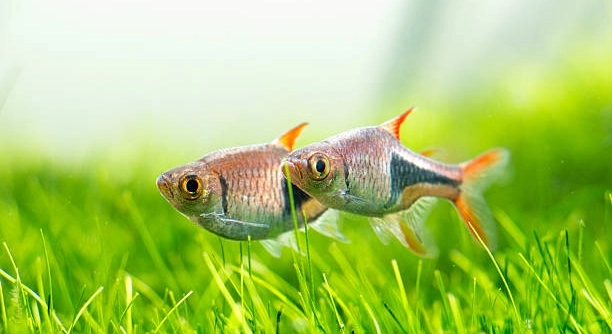
Are your rasboras swimming anxiously, darting around the tank without settling? Restlessness in these fish can be a common issue that many aquarium enthusiasts encounter. It often signals an imbalance in their environment or care routine.
Rasbora restlessness usually results from factors such as poor water quality, insufficient space, lack of hiding spots, improper diet, or stress from tankmates. Addressing these issues promptly can help restore calm behavior and promote healthier fish.
These seven quick fixes focus on practical solutions to improve your rasboras’ comfort and well-being. Following them can make a noticeable difference in their daily activity and overall health.
Check Water Quality Regularly
Maintaining good water quality is essential to keep rasboras calm. Poor water conditions can stress fish, causing them to swim nervously or hide. Test the water often for ammonia, nitrites, and nitrates. Ammonia and nitrites should always be at zero, while nitrates should stay low. Frequent water changes help keep these levels stable. Temperature also matters—rasboras prefer a steady range between 72°F and 79°F. Avoid sudden fluctuations that can unsettle them. Using a reliable water test kit makes monitoring easy. When water quality is good, rasboras feel safe and behave more naturally. Remember, even small changes in water chemistry can affect their mood. Keeping the tank clean and balanced supports their health and reduces restlessness.
Regular water testing helps catch problems early, ensuring your rasboras stay calm and healthy.
Proper water conditions reduce stress and prevent erratic behavior. It also supports immune function, lowering disease risk. If restlessness continues after water quality is addressed, check other factors like tank size or tankmates. Keeping water parameters consistent creates a stable environment where rasboras can thrive peacefully.
Provide Adequate Space and Hiding Spots
Rasboras need enough room to swim freely without feeling cramped. A small tank can make them anxious and restless. Ideally, a 20-gallon tank or larger is best for a small group. They also benefit from plants and decorations that offer places to hide. Dense plant coverage or caves help them feel secure. Without these hiding spots, they may swim erratically or dart around more often. These natural shelters mimic their environment in the wild, providing comfort. Observing your fish’s behavior can tell you if they seem stressed by lack of space or hiding areas. Adjusting the tank setup can calm them down and improve their well-being.
Adding plants and decorations creates a balanced habitat, reducing stress. This lets rasboras express natural behaviors like schooling and resting.
Make sure decorations don’t overcrowd the tank but provide enough cover. Floating plants or tall stem plants work well. Consider adding small caves or tunnels made from aquarium-safe materials. These spaces help shy or new fish feel safe and reduce constant swimming. A well-designed tank setup improves their confidence and reduces restless movements. It also enhances the tank’s look and creates a pleasant environment for watching your fish relax.
Adjust Lighting and Tank Environment
Too much light can stress rasboras, making them restless. Bright lighting without shaded areas leaves no escape from constant exposure.
Dimming the lights or using a timer to simulate natural day and night cycles helps reduce stress. Adding floating plants creates shaded spots, which rasboras appreciate for hiding and resting. This mimics their natural habitat, giving them control over light exposure. Bright, constant lighting can overwhelm fish, so balancing brightness is key to calming them down.
Also, minimize sudden changes in the tank environment. Vibrations, loud noises, or frequent movement around the tank can unsettle them. Keeping the tank in a quiet, stable place encourages relaxed behavior. A calm environment combined with proper lighting lets rasboras settle and display normal swimming patterns.
Feed a Balanced Diet
Rasboras need a varied diet to stay healthy and less restless. Feeding only flakes or one type of food limits their nutrition.
Incorporate live or frozen foods like brine shrimp, daphnia, or bloodworms alongside quality flakes or pellets. This variety provides essential proteins and nutrients that support their energy and immune system. Feeding small amounts multiple times a day prevents overfeeding and maintains water quality. Watch how your fish respond and adjust portions to avoid leftover food, which can pollute the tank.
A balanced diet keeps rasboras active but not anxious. Proper nutrition also helps them cope with minor stresses. When their dietary needs are met, they swim calmly and interact more naturally with tankmates. This improves their overall well-being and reduces signs of restlessness.
Avoid Overcrowding the Tank
Too many fish in one tank cause stress and restlessness. Rasboras need space to swim and maintain social groups without overcrowding.
Overcrowding increases waste and lowers water quality, both of which upset fish. Keeping the population balanced helps maintain a peaceful environment where rasboras feel safe.
Choose Compatible Tankmates
Rasboras are peaceful fish and do best with calm, non-aggressive species. Aggressive or overly active tankmates can trigger stress and erratic swimming.
Selecting species that share similar water requirements and temperaments helps maintain harmony. Good companions include small tetras, peaceful gouramis, or Corydoras catfish. Avoid larger or aggressive fish that may bully or chase rasboras. Compatibility promotes stable social behavior and reduces restlessness caused by constant threats or competition.
Maintain Consistent Feeding Schedule
Rasboras respond well to routine feeding times. Irregular feeding can increase anxiety and restless behavior.
Feeding small amounts twice a day creates predictability and helps fish feel secure.
Monitor for Signs of Illness
Restlessness can indicate health issues. Watch for unusual behavior, spots, or changes in appetite.
FAQ
Why are my rasboras constantly swimming nervously?
Nervous swimming is usually a sign of stress caused by environmental factors. Common reasons include poor water quality, overcrowding, or lack of hiding spots. Bright lighting and aggressive tankmates can also disturb them. Identifying and fixing these issues will help your rasboras settle down and swim calmly.
How often should I test the water for my rasboras?
Testing water once a week is ideal, especially for ammonia, nitrite, and nitrate levels. Frequent water checks prevent buildup of harmful substances. Regular water changes alongside testing help maintain stable conditions that keep rasboras comfortable and less restless.
Can poor diet cause rasboras to be restless?
Yes, an unbalanced diet lacking variety can lead to restlessness. Rasboras require a mix of flakes, pellets, and live or frozen foods like brine shrimp or daphnia. Proper nutrition supports energy levels and immune health, reducing stress and erratic swimming.
How much space do rasboras need?
A 20-gallon tank or larger is recommended for a small group of rasboras. They swim in schools and need room to move freely. Overcrowding causes stress and aggressive behavior, leading to restlessness and health problems.
Are there specific tankmates I should avoid with rasboras?
Avoid large, aggressive, or territorial fish like cichlids or barbs that may bully rasboras. Stick to peaceful species such as small tetras, gouramis, or Corydoras catfish. Compatible tankmates reduce stress and help rasboras feel secure.
What lighting conditions are best for rasboras?
Moderate lighting with shaded areas is best. Too much bright light stresses fish, while dim lighting mimics their natural environment. Using floating plants or shaded spots gives rasboras places to rest and feel safe.
Why do rasboras need hiding spots?
Hiding spots reduce stress by providing safe places to retreat. Plants, caves, and decorations create a natural feel and security. Without these, rasboras may become anxious and swim erratically.
Can tank noise affect rasbora behavior?
Yes, vibrations and loud noises near the tank can cause restlessness. Placing the aquarium in a quiet, low-traffic area helps keep them calm. Consistent surroundings support peaceful behavior.
How often should I feed my rasboras?
Feed small amounts two to three times a day. Regular feeding creates a routine and prevents overfeeding, which can foul the water. Balanced meals support their energy without causing stress.
Could illness cause restlessness in rasboras?
Yes, diseases or parasites often make fish swim erratically or hide excessively. Look for other signs like discoloration, spots, or loss of appetite. Early detection and treatment are important to restore their health and calm behavior.
What water temperature is ideal for rasboras?
Keep the temperature between 72°F and 79°F. Sudden temperature changes or extremes cause stress. Stable temperature ensures comfort and promotes normal activity levels.
How do I reduce stress when introducing new fish?
Quarantine new fish before adding them to the tank to avoid spreading disease. Introduce them slowly and provide plenty of hiding spaces. This helps rasboras adjust without becoming restless or aggressive.
Is it normal for rasboras to be restless at night?
Rasboras are diurnal and usually rest at night. If they are restless, check for excessive light or disturbances. A proper day-night cycle encourages healthy sleep patterns.
What should I do if restlessness continues after fixing environment and diet?
If behavior remains unsettled, review all care aspects including tankmates, water parameters, and possible illness. Consulting with a specialist or experienced aquarist can provide further insights to solve persistent issues.
Final thoughts on managing rasbora restlessness focus on creating a stable, comfortable environment for your fish. Restlessness is often a sign that something in their care or habitat needs attention. By regularly checking water quality, providing enough space, and offering places to hide, you can help your rasboras feel secure. These simple actions make a big difference in their behavior and overall health. It’s important to remember that consistency is key. Sudden changes to lighting, tankmates, or feeding routines can quickly unsettle your fish and cause nervous swimming. Keeping a calm, steady environment will allow them to swim naturally and display normal social behaviors.
Feeding your rasboras a balanced diet supports their health and reduces stress. Incorporate a mix of flakes, pellets, and occasional live or frozen foods to meet their nutritional needs. Overfeeding or poor-quality food can harm water quality and lead to restlessness, so small, frequent feedings are best. It’s also vital to choose tankmates wisely. Peaceful fish that share similar needs help create a harmonious tank where rasboras can thrive without feeling threatened. Avoid aggressive or large species that may chase or stress your fish. A well-planned tank setup and compatible companions help maintain a peaceful community.
If you notice restlessness continuing despite your efforts, it may indicate illness or deeper issues. Watch for signs like discoloration, spots, or unusual swimming patterns. Early detection and treatment improve your rasboras’ chances of recovery. Remember, caring for these fish requires patience and observation. By paying attention to their environment and behavior, you can identify problems before they escalate. Small adjustments often bring calm and healthier fish. Maintaining good water conditions, proper feeding, and suitable tankmates creates a space where rasboras can live happily and swim peacefully.

Hello,
If you enjoy the content that we create, please consider saying a "Thank You!" by leaving a tip.
Every little bit helps us continue crafting quality advice that supports the health, happiness, and well-being of pets around the world, for pets of all shapes, sizes, and species.
We really appreciate the kindness and support that you show us!